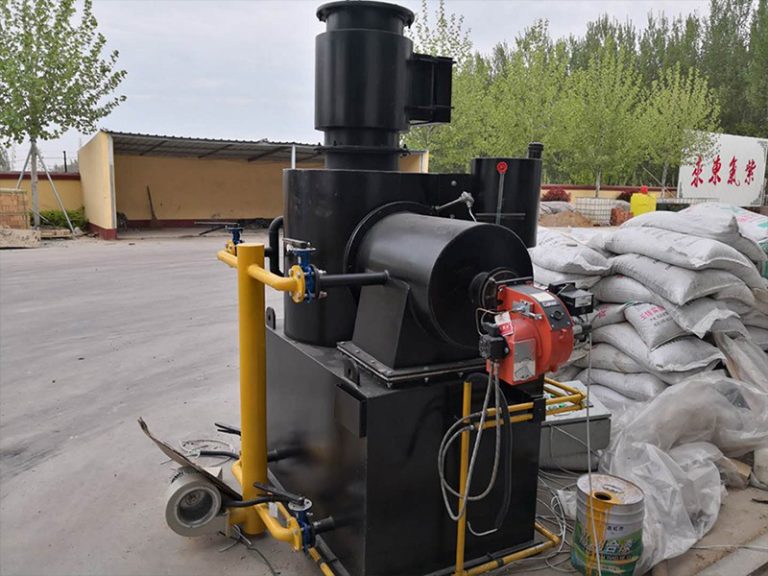
Immediate problem: fragile local supply continuity
Many regional manufacturers rely on a narrow set of fuels and single-source suppliers, which creates fragility when prices shift or deliveries fail. Methanol burners present a tactical option among industrial burners because they use a liquid fuel that can be stored, transported, and blended more flexibly than compressed gases. The problem is simple: without practical fuel alternatives, small-to-medium production lines stop, orders slip, and local suppliers miss windows they cannot afford to lose.
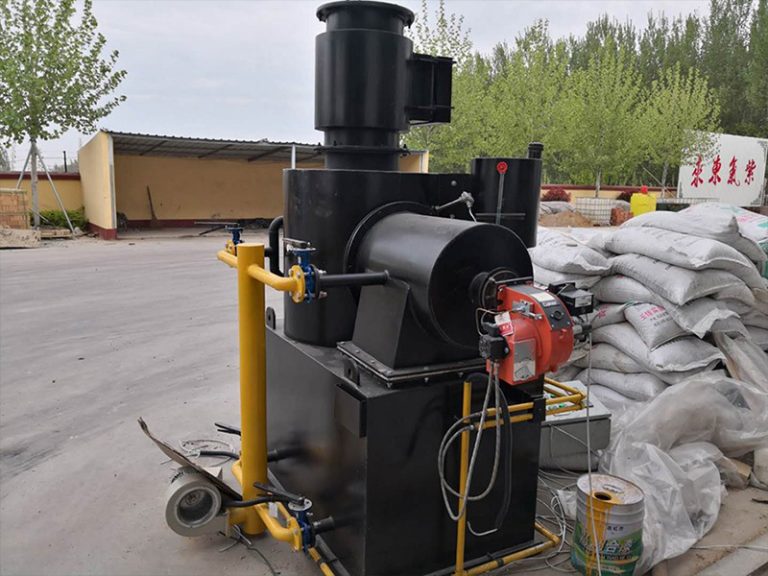
Why methanol burners address the core issues
Methanol fits a supply-chain problem: it’s transportable in standard tanks, can be produced from diverse feedstocks, and is compatible with retrofit burner designs. For facilities that depend on steady kiln or boiler heat, switching to methanol burners reduces single-point dependency on local gas networks. It also shortens lead times for procurement because liquid deliveries integrate with existing fuel logistics. These are operational facts, not promises: you get a direct reduction in fuel-source risk when you plan correctly.
Real-world anchor and technical grounding
Consider Germany’s Ruhr region, where dense steel and ceramics clusters have repeatedly managed fuel shifts during market shocks; adoption of burner technology compatible with multiple liquid fuels helped some plants maintain output during pipeline interruptions. From field audits and vendor test reports I’ve reviewed, the critical technical points are burner atomization quality, control stability at low loads, and corrosion-resistant metallurgy where methanol contact is expected. Those three items separate reliable retrofits from costly experiments.
Typical integration pitfalls to avoid
First, underestimating materials compatibility: methanol is slightly acidic and can attack seals, gaskets, and some sensor housings. Second, ignoring flame-sensing and control tuning leads to unstable combustion and false trips. Third, skipping delivery-chain contingency planning recreates the same vulnerability you tried to remove — single-source methanol supply is still a risk. Address those explicitly during engineering and procurement to prevent surprises.

Alternatives and clear trade-offs
Natural gas keeps being the simplest option where pipelines are robust; hydrogen promises low-carbon operation but demands radical burner and safety changes; LPG is portable but cost-volatile. Methanol sits between these: less infrastructure change than hydrogen, more liquid-fuel convenience than gas. Choose methanol when logistics flexibility and moderate retrofit effort outweigh the priority of the absolute lowest combustion emissions.
Practical steps for local manufacturers
Begin with a focused pilot on a single production line: verify burner performance across expected loads, measure emissions, and run a one-month supply resilience test. Engage technical vendors early to specify materials and control software; require factory acceptance tests that include low-load behavior and start-stop cycles. Finally, document fuel handling, train operators on specific spill and ventilation procedures, and establish at least two suppliers to avoid recreating dependency.
Conclusion: clear value when executed properly
The problem-driven choice is straightforward: if local continuity is the priority, methanol burners offer a pragmatic balance of flexibility and retrofitability — provided you manage materials, controls, and supply diversification from day one. That pragmatic pathway is what firms like Career Burners specialize in aligning with local supply-chain realities, giving operators a reliable technical route rather than another theoretical option.