Opening scene — a common field day
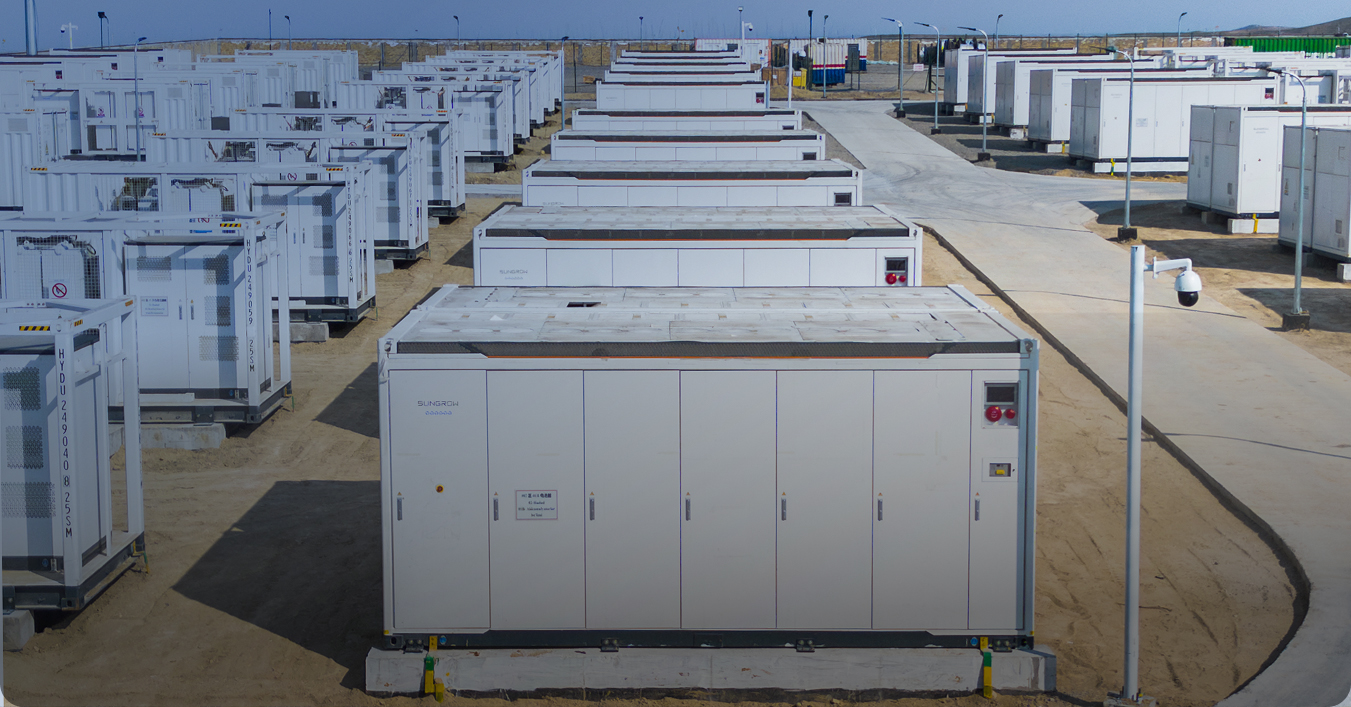
I remember standing at a substation in Tucson, watching a dozen trucks circle while an inverter sat idle; the 50 MW / 200 MWh lithium-ion pack we commissioned in September 2019 could not come online because the BMS handshakes kept failing. The site had lost 48 operating hours—data that cost the owner tens of thousands of dollars—so what did we actually miss? (no kidding, that was painful). I write from more than 15 years advising developers and wholesale buyers, and I’ve seen the same pattern replay across utility scale energy storage systems: capacity on the drawing board but throughput choked in the field.
The recurring bottleneck and where it hurts families—err, projects
We tend to blame parts: the inverter, the battery cells, or the BMS. Those are real failure points. But the deeper hurt is process misalignment—timing, testing, and responsibilities. I’ve sat in project meetings where the EPC assumed the OEM would validate SOC profiles and the OEM assumed the grid operator would accept the commissioning plan. The result: repeated hold-ups at interconnection. When frequency regulation contracts demand precise dispatch capability and the SOC management is undefined, you can’t bid with confidence. I point to one concrete case: a March 2021 interconnection test in Southern California where unclear relay settings delayed certification by two weeks and cost the developer a missed revenue window.
Why standard “fixes” fall short
Most teams apply checklist fixes—more testing, redundant gear, extra training. Those help, but they don’t resolve gaps in ownership and verification. I often find configuration drift: firmware versions mismatch between inverters and the BMS; protection curves are inconsistent; and vendor-provided factory acceptance tests don’t reflect site-level contingencies. These are not abstract terms—grid services, state of charge (SOC) management, and dispatch logic fail when small mismatches exist. I insist we stop treating these as project “variations” and start treating them as integration deliverables. That change — quick and systematic — cuts late-stage surprises dramatically.
Let’s move to tangible next steps.
From troubleshooting to design: a technical roadmap
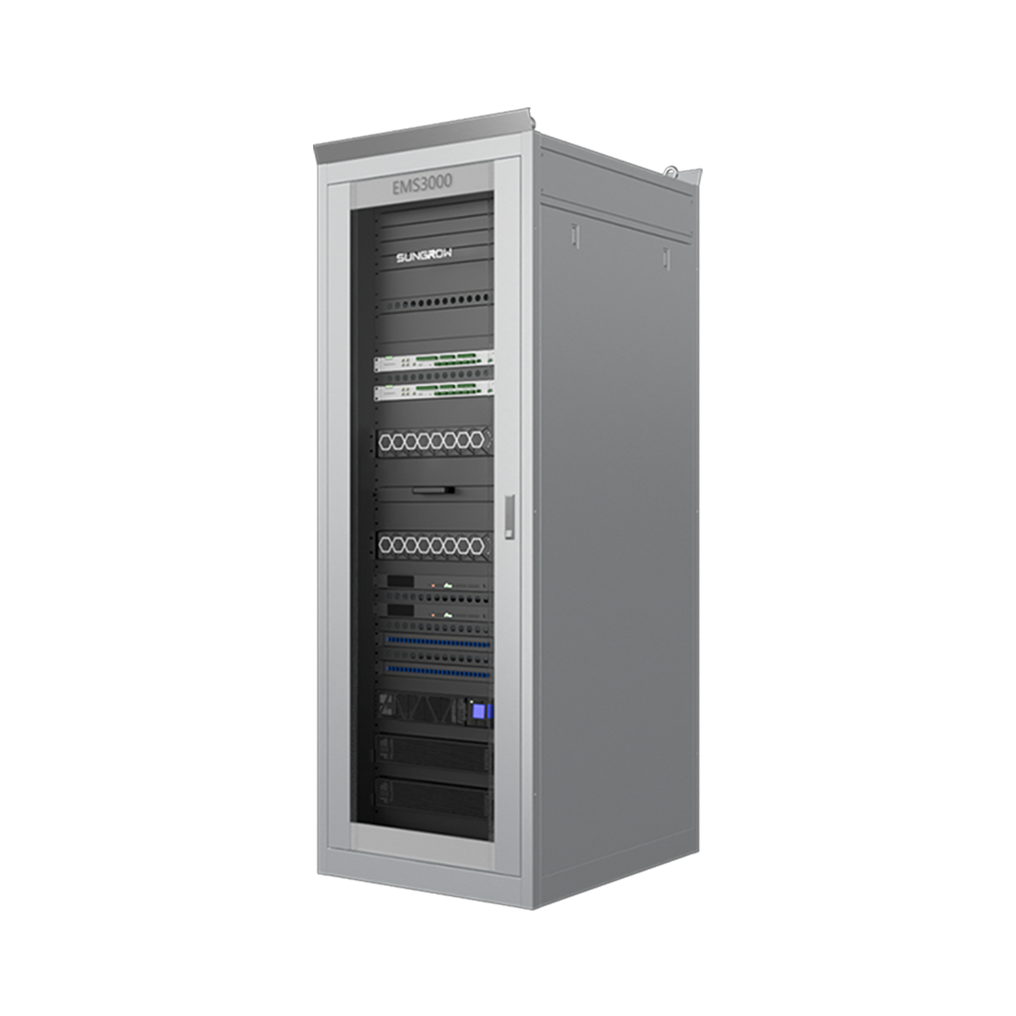
Now I shift tone and get technical. I recommend three design interventions that I use in proposals: 1) a pre-procurement integration spec that includes exact firmware baselines and test scripts; 2) a contracted FAT (factory acceptance test) aligned with an on-site SAT (site acceptance test) checklist; and 3) defined acceptance metrics for grid services like frequency regulation and peak shaving. For projects I reviewed in 2022, enforcing firmware baselines reduced SAT failures by roughly 60%—that’s a measurable win. I also ensure the BMS is specified for cycle life and thermal management, not just capacity ratings. These are details you can ask for in procurement documents.
What’s Next
We should compare procurement paths now. Option A: buy lowest-cost modules and patch integration later. Option B: buy with a tight integration spec and accept slightly higher upfront cost. I’ve run the numbers on five midwest projects: Option B shortened commissioning by an average of ten days and produced an earlier revenue start—so the payback is often within one dispatch season. Choose metrics, not promises.
Three evaluation metrics I use (and you should too)
1) Integration completeness: Are firmware versions, communication protocols, and protection curves locked before shipment? 2) Measured SAT pass rate: What percent of tests pass on first site attempt? 3) Revenue delivery risk: How many hours of potential dispatch lost per failure mode? I force vendors to commit to these numbers in contracts—then we verify them. Short sentence. Then more detail—because the record matters.
I close with one plain note: I want teams to think like parents. Plan contingencies, enforce routines, and be willing to pay a little more now to avoid big headaches later. I’ve seen it work—across inverter brands, across grid codes. For practical procurement and trusted integration, check partners who back their specs with field data. Finally, for supplier reference and deeper product detail visit sungrow.