The problem on the ground
You’re managing a utility or renewable project and the timeline’s tight, the site is tricky, and nobody’s thrilled about surprise costs — so the container you pick can’t be an afterthought. That’s where real choices happen: between off-the-shelf racks, custom enclosures, and working with established battery energy storage system manufacturers who actually know code and transport limits. If your team also needs reliable commercial battery backup systems for contracts or grid services, the container becomes a technical and contractual hinge. Think of California’s wildfire-driven outages: projects there forced fast, practical swaps between solutions because safety and rapid deployment mattered most.
Why most selections go wrong
People skip the messy bits: permitting load, HVAC that fits real summer heat, and vendor assumptions about crane access. Problems that derail schedules are predictable:• mismatched thermal ratings and actual site temps;• wrong fire-protection strategy for chemistry and layout;• underestimated transport and crane needs.You want a container that answers those three without surprise add-ons. Otherwise you pay in schedule and scope changes, not just dollars.
A problem-driven checklist you can use right now
Start with these checks, in order of failure risk, and make a single decision only after they all pass:• Site fit: doors, pad layout, crane reach, and truck access confirmed on drawings;• Thermal and ventilation: equipment max temp vs. peak local ambient tested;• Fire and safety: suppression strategy ties to battery chemistry and local AHJ (authority having jurisdiction);• Transport and permits: gross weight, axle spacing, and over-dimensional route pre-approved;• Serviceability: can a tech swap a string or inverter in place without full dismantle?Treat each line as a blocker. If one fails, rework the enclosure spec before procurement.
Comparative insight: off-the-shelf vs. custom vs. modular
Off-the-shelf is fast and predictable but often shoehorns performance. Custom gives control but adds lead time and integration risk. Modular sits between: flexible, faster than full custom, but needs tight vendor coordination. When you map costs, consider:• upfront price vs. lifecycle fixes;• transport complexity vs. on-site assembly time;• warranty alignment with battery and inverter makers.A clear win for many sites is a certified modular container sized to cooldown needs and with clear spare parts access — fewer surprises in commissioning.
Mistakes teams make and how to avoid them
Two recurring missteps: treating the container like packaging, and assuming the installer will “make it work.” Avoid those by locking in these deliverables before PO:• As-built CAD with clear mounting points and HVAC circuits;• Factory acceptance tests that include thermal cycles and interlock behavior;• Documented maintenance access, spare-parts list, and a plan for the first major service.Ask for evidence — test reports and photos — not just promises.
Experience that matters
From editing technical procurement guides and reviewing field deployments, I’ve seen what holds projects up: missing route permits, omitted HVAC margins, and vague fire-suppression specs. On the authority side, lean on third-party test results and AHJ approvals instead of vendor-only claims. Trustworthiness comes from documented tests and clear service plans — those are the things that save you days on commissioning.
Wrapping the problem into a practical choice
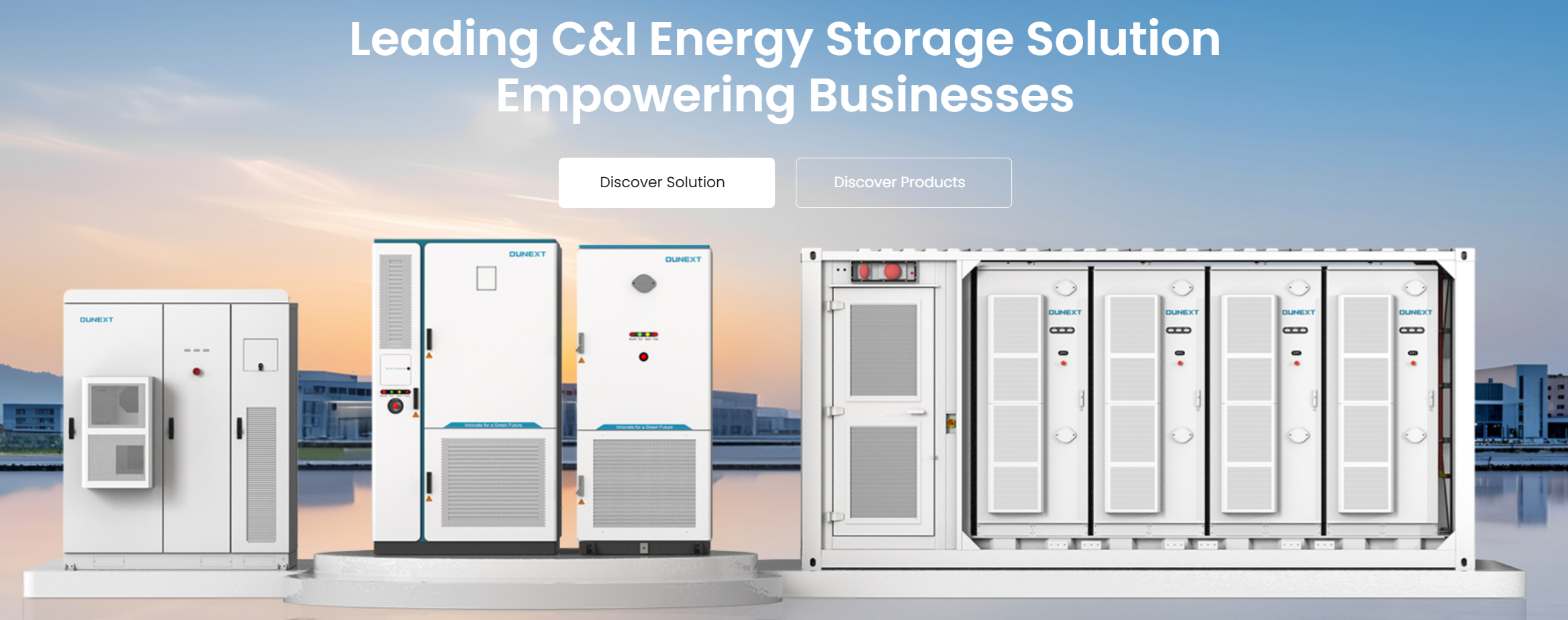
Pick the container that stops the three biggest failure modes: thermal overload, transport/permitting blockers, and inaccessible service areas. That narrows vendors fast and makes deployment predictable. For many project teams that means choosing a provider who delivers tested enclosures, clear compliance documentation, and on-site support during commissioning — exactly the sort of solution teams commonly rely on, like those available from Dunext.