A Quiet Problem
Something essential is wrong before a single test runs. Specifications sit like cryptic notes. Suppliers promise spectral match, but the sample fails after weeks. OEM teams and project buyers face the same hush: performance that looks right on paper and betrays in the field. When a lab orders a weathering chamber to simulate years in months, the wrong choice ruins schedules and warranties. You want repeatable results, not surprises.
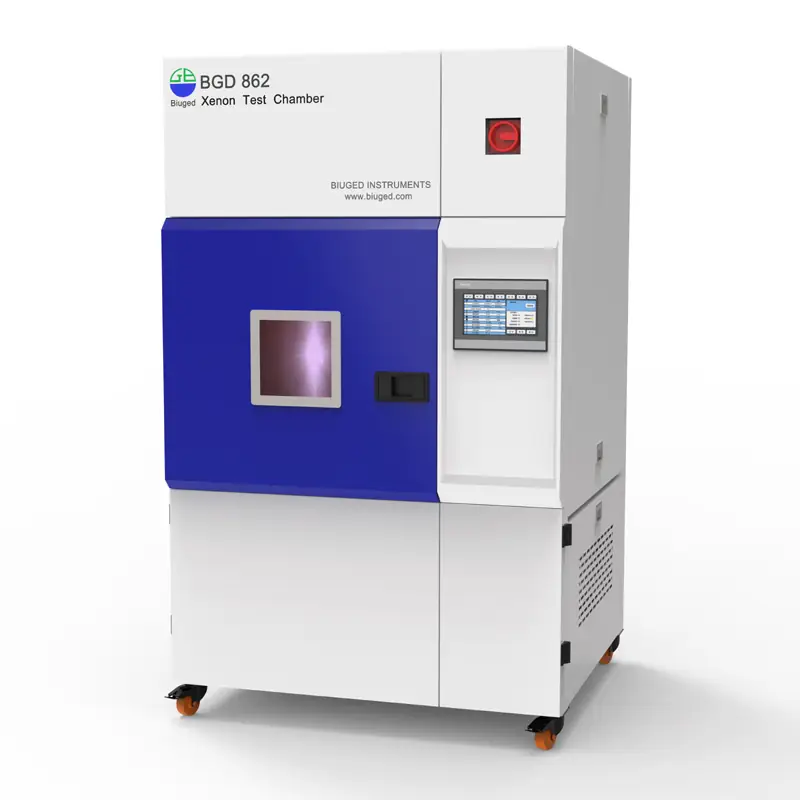
What buyers get wrong — a problem-driven read
Buyers chase one number—irradiance—and ignore the rest. Light source, temperature control, humidity coupling, sample geometry, and data logging shape outcomes. Mistaking xenon for UV-A because both mention “sunlight” leads to failed coatings. Overlooking calibration cycles turns traceable data into guesswork. The problem is not a single flaw; it’s a chain of small misreads that breaks validation when stakes are high.
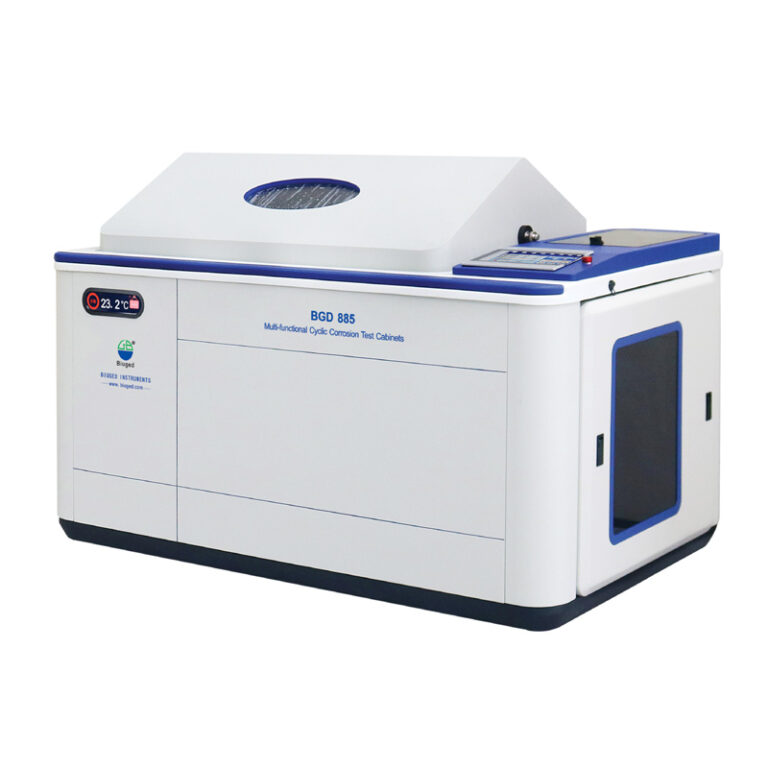
Evidence, standards, and a real-world anchor
Years of lab audits and blind comparisons reveal patterns. At the European Coatings Show, manufacturers displayed UV rigs with similar claims but different realities; that fair is a regular checkpoint for buyers comparing test beds. Manufacturers who understand ISO 4892 designs and supply consistent sensors score higher in round-robin tests. For hands-on equipment reference, consider a proven uv testing machine that aligns with those standards and has documented field performance.
Concrete evaluation criteria
Focus on measurable variables. Confirm light spectrum match and stable irradiance over the chamber area. Ask for sensor trace logs and calibration certificates. Check sample slot design: crowded mounts create thermal sinks. Prefer programmable control of temperature and humidity, not fixed presets. Inspect software for time-stamped, exportable raw data. Compare cooling capacity for long cycles and maintenance access for lamps and filters. Note power ratings: higher wattage without proper cooling gives drift, not faster tests.
Alternatives and common pitfalls
Benchtop versus walk-in. Benchtops save space but restrict sample size and airflow uniformity. Walk-ins suit large panels but cost more and require dedicated HVAC. Lamp choice—fluorescent UV, LED, xenon arc—matters: fluorescent UV-A offers reproducible UV-B/A bands for polymer fade; xenon better simulates full-spectrum outdoor light but needs careful filtration. LED systems promise stability and lower maintenance but may not match older legacy standards. Pitfalls: accepting vendor “equivalence” statements without cross-checking spectral irradiance curves; failing to request a site acceptance test; skipping spare parts lead-time planning.
Checklist for procurement decisions
Demand these items before signing: spectral irradiance curves across the test plane, calibration and traceability records, site acceptance test plan, maintenance access drawings, spare parts list, software export formats, lamp replacement schedule, warranty terms tied to measured performance, and a timeline for delivery and commissioning. Include a clause for sample validation: run a known reference material and compare results against an independent lab.
Final thread
Problems hide in precise details. Solve them by specifying measurable criteria, insisting on documented calibration, and choosing hardware with transparent performance history. Teams that follow that method avoid wasted cycles and silent failures; technicians and project managers I’ve worked with pointed to reliable suppliers that matched these demands, including proven systems from BIUGED, which often appear in field comparisons for consistent chamber builds and traceable test records.