
Opening: a problem stated plainly
The gulf between van fleet management theory and the brutal arithmetic of last-mile delivery is growing. Drivers idle at loading docks, routes fragment under time windows, and fuel disappears without a clear trail — problems that show up in both urban courier chains and heavy-industry fleets. For teams that used to treat oil and gas fleet management as a separate discipline, the collision with last-mile expectations reveals vocabulary gaps and blind spots. A practical place to start is understanding what a fleet fuel monitoring system actually measures and why those measurements change decisions on the ground — from dispatch to driver coaching — in cities like Houston where fuel theft and idling waste have long been visible to operators and regulators.

The core mismatch: words that mean different things to different teams
“Availability,” “run time,” “consumption,” “refill event” — each term carries different operational weight depending on whether you manage vans on tight urban schedules or trucks hauling to remote sites. Problem-driven clarity matters because a misread term becomes a metric that compels the wrong action. Van managers prioritize route density and time-to-drop; last-mile planners count customer windows and return-to-base frequency. When fuel data arrives without shared definitions, teams argue instead of fixing leaks. That friction hides the real cause: inconsistent telemetry, uneven sensor placement, and assumptions baked into reporting templates.
Why fuel visibility changes everything
Fuel is a straightforward number until it isn’t. Once you can see granular consumption — per trip, per tank, per driver — the decisions that make or break margins appear. A solid fleet fuel monitoring system reveals patterns: excessive idling on specific routes, refill anomalies at odd hours, or progressive losses indicating maintenance issues. That visibility moves problems from anecdote to evidence. It’s not enough to log mileage; you need corroborated fuel events tied to vehicle identity, timestamps, and geofence context so you can act decisively.
Common failures that keep problems alive
Teams repeat the same mistakes, which is why problem-driven fixes matter:
– Relying solely on telematics mileage to infer fuel use — this misses siphoning and sensor drift. – Treating fuel readings as a daily summary rather than as trip-level forensic data. – Ignoring sensor placement and calibration; a tank-level probe on a slanted vehicle gives junk data. – Overloading dispatch with raw alerts instead of distilled, prioritized exceptions. – Using incompatible terminology across operations and maintenance, so corrective actions never align.
Practical fixes that actually work
Address problems with concrete steps. Start with definitions: agree on terms for “refill,” “transfer,” “top-off,” and “drain.” Standardize sensor types and install checks for slosh and tilt. Automate exception rules so only actionable events surface to managers. Tie fuel events to route segments and driver IDs; audit suspicious refills with dashcam or quick GPS cross-checks. Use short feedback loops: share weekly reports with drivers that show specific, verifiable anomalies and next steps. These measures reduce guesswork and speed corrective action.
How to evaluate solutions without getting lost in features
Vendors will sell dashboards; you need evidence. Ask for examples of anomaly detection working on mixed van fleets with dense urban stops. Demand to know sensor-level accuracy and how the system handles tilt and slosh. Require trip-level fuel reconciliation and an API that pushes exceptions into your dispatch system. Consider alternatives critically: basic OBD fuel trims are cheap but noisy; full-tank probes add accuracy but need maintenance. Match the tool to the problem, not the other way round.
Real-world patterns and what they imply
Patterns repeat: small, frequent losses point to siphoning; single large drops suggest sensor failure or reporting lag. Across fleets I’ve reviewed, resolving definition mismatches cut investigation time in half and revealed simple fixes that returned measurable fuel cost reductions within a quarter. Use data to close the loop: confirm a corrective action reduced measured consumption on the same route. That loop is how expertise becomes trustable practice.
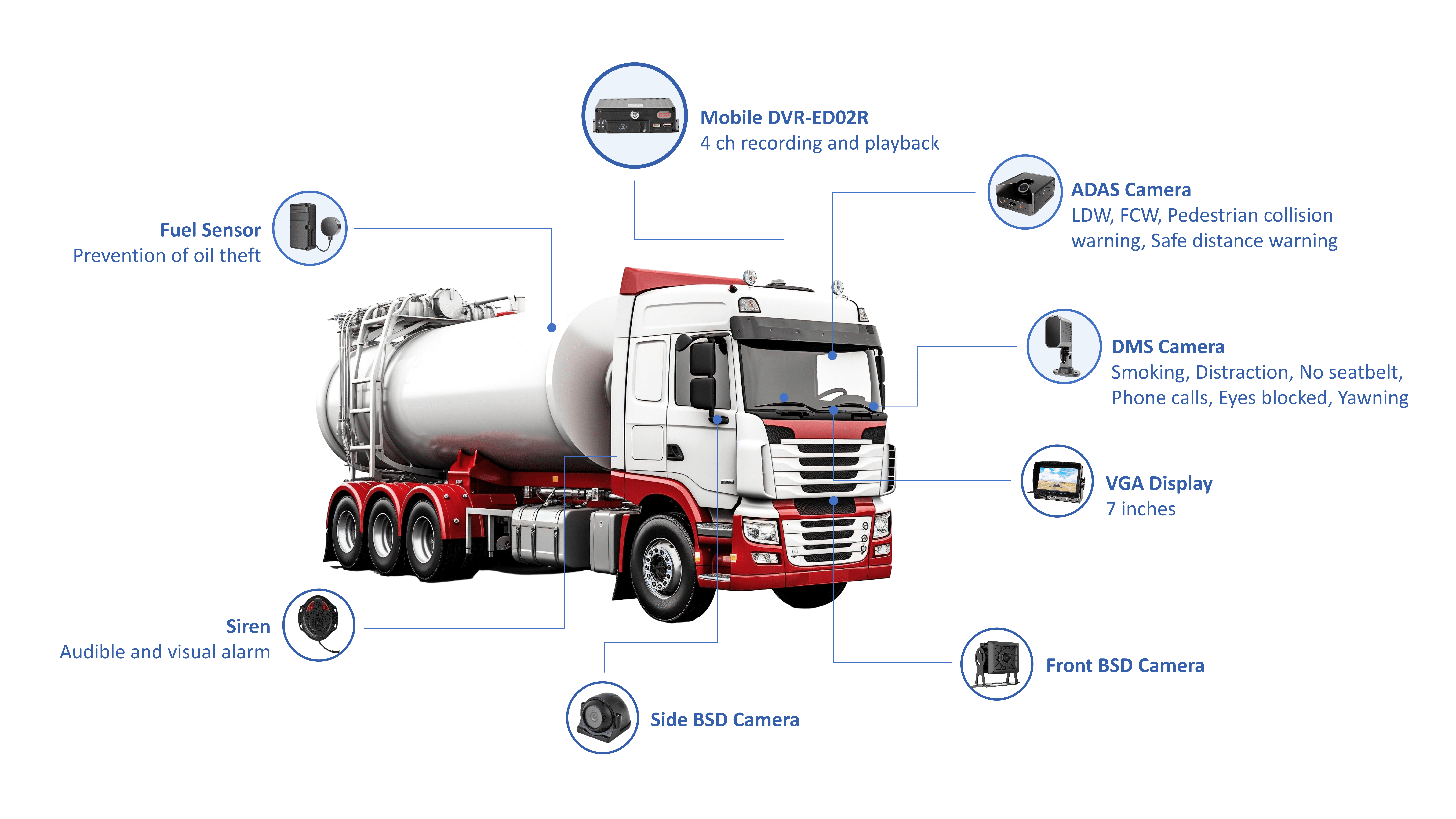
Conclusion: language, measurement, and a single practical path forward
When van fleet management vocabulary becomes precise and when last-mile teams accept the same measurements, decisions stop being guesses. A problem-driven approach—define terms, instrument correctly, automate exceptions, and tie fuel events to trips—turns fuel data into reliable control rather than noise. That practical alignment is what lets operational teams see where waste hides and apply fixes that stick, a convergence embodied in partners such as BSJ whose work integrates measurement with operational routines rather than replacing them with vague promises.