The Problem: Systems That Betray
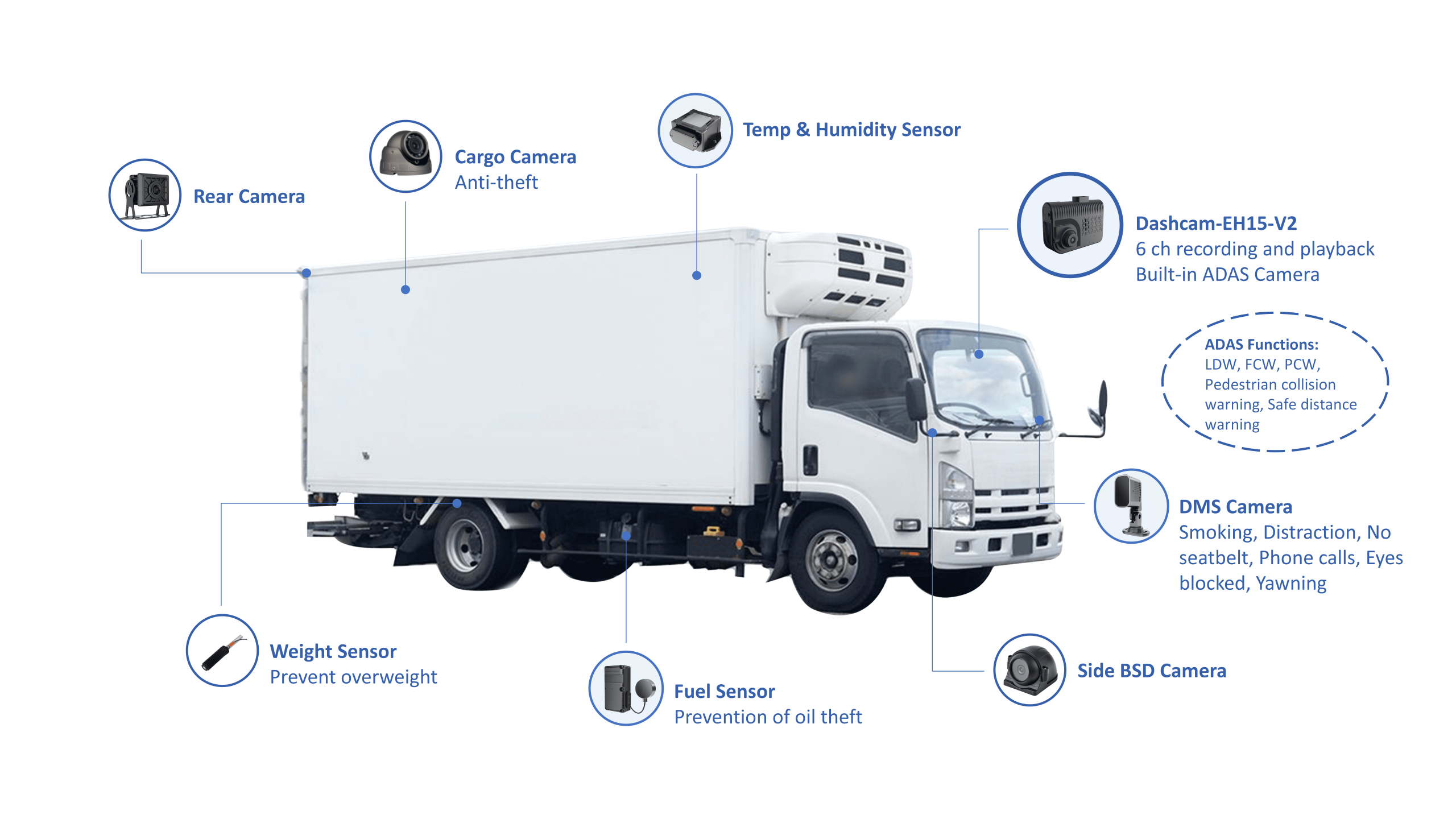
The machines move under a leaden sky, and the dashboards promise truth while whispering lies. Fleet telematics platforms are supposed to keep convoys honest — yet too often they fail exactly when stakes are highest: night shifts, heavy haul roads, last-mile approaches inside pits. For teams responsible for mining fleet management, this is not an abstract failure; it’s a recurring hazard that costs time, parts, and sometimes lives. The problem is less about shiny features and more about brittle integration, poor edge resilience, and opaque data that arrives too late.
Why Existing Platforms Break Down
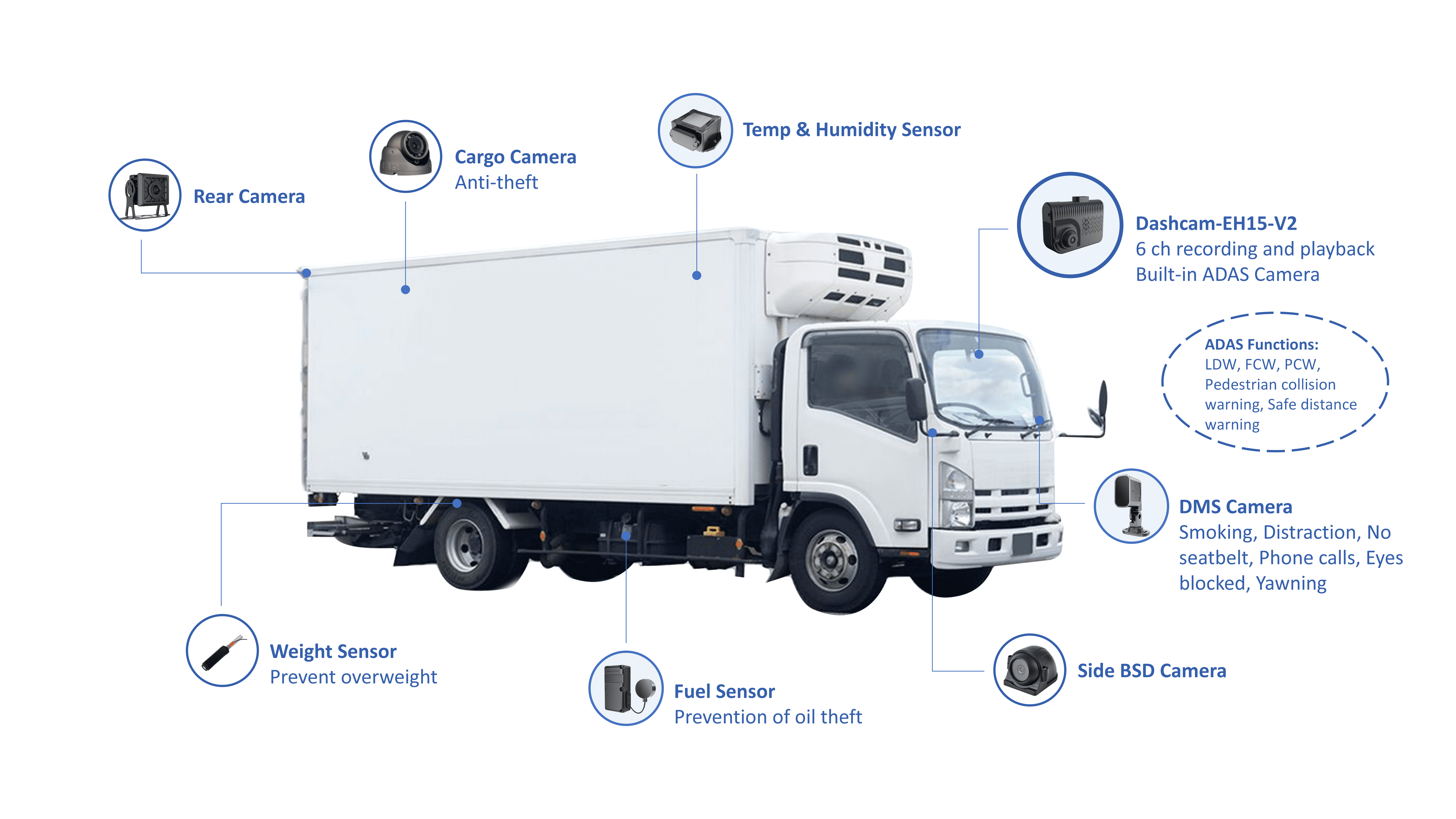
Darkness reveals the fault lines. Problems repeat because of predictable causes:- Hardware mismatch: consumer-grade modems and sensors paired with brutal-duty vehicles; connectors that loosen under vibration.
– Network assumptions: expecting continuous cellular coverage across haul roads that cross dead zones and deep pits.
– Data dread: huge telemetry streams that nobody parses into action, burying alerts under noise.
– Integration gaps: fleet operations, maintenance, and safety systems operating in separate silos.
These root failures turn a telematics project into a liability unless they’re confronted deliberately.
Hard Requirements for a Platform That Survives the Pit
Design decisions must be explicit and uncompromising. Demand these attributes before signing:- Deterministic local logic: rules and safety interlocks run on the device when connectivity drops.
– Durable hardware: vibration-rated, ingress-protected units with tested CAN-bus resilience.
– Efficient edge filtering: event-centric transmission rather than raw-stream upload.
– Clear API contracts: predictable payloads, stable schema, and versioning that won’t break integrations.
– Role-aware data access: separate channels for operations, maintenance, and safety so each team sees only what they need.
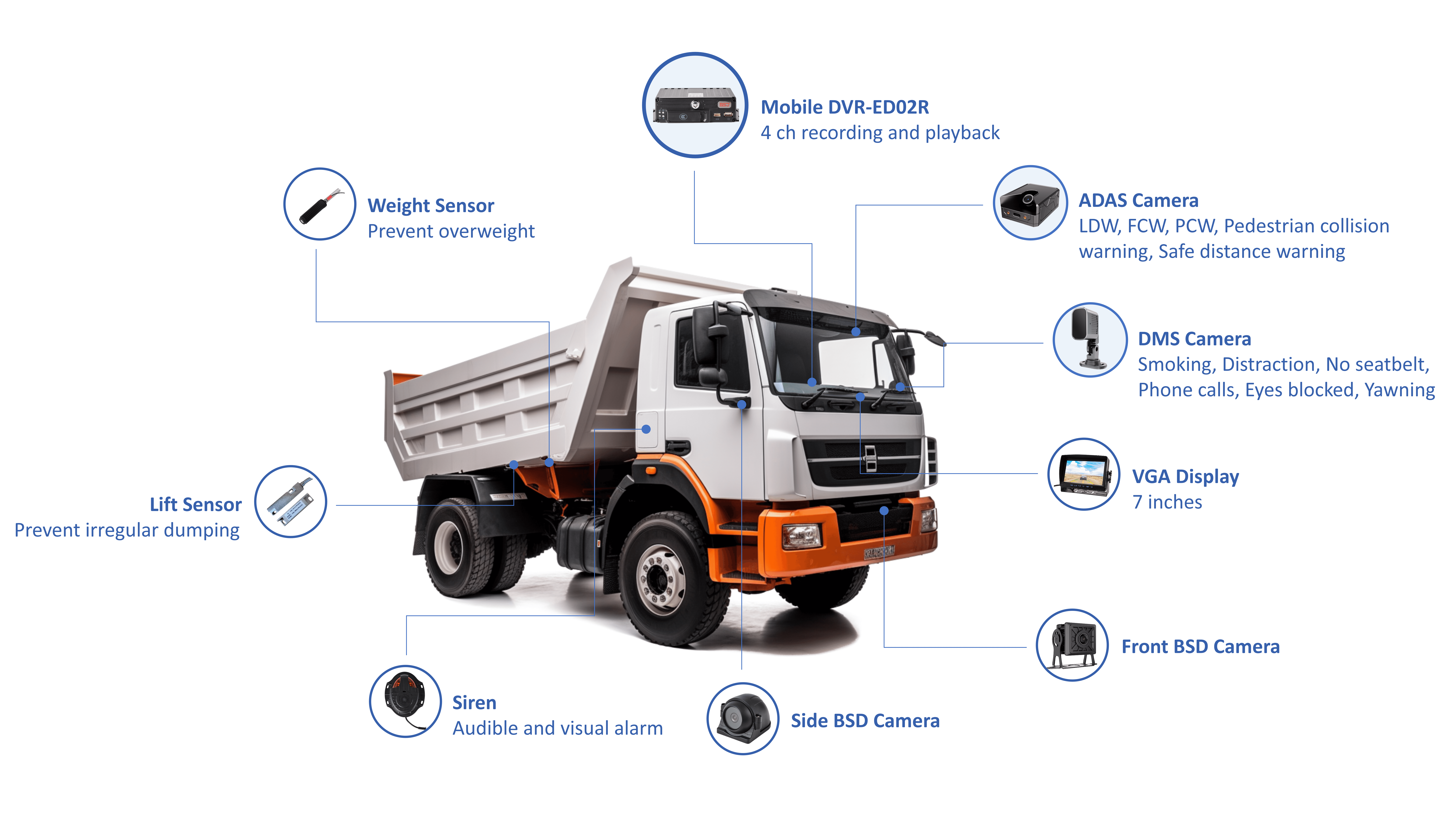
Where safety matters, integrate systems that have proven capabilities in mining safety management and can enforce alarms locally when radio silence descends.
Common Pitfalls and How They Unravel Projects
Watch for these traps; they’re the same ones that make a good plan rot:- Choosing the platform with the most dashboards, not the one with the most robust edge logic.
– Treating telematics as reporting instead of control — reports arrive after damage is done.
– Over-customizing early: bespoke flows that look clever in demos but fracture upgrades and support.
– Ignoring human workflows: alerts that turn into noise and get muted by exhausted crews.
Fixes are practical: standardize on stable schemas, codify escalation paths, and run failure drills with crews until the alerts mean something.
Implementation Checklist — Practical Steps in the Field
When you move from decision to deployment, act like you’re sealing a mine portal:- Pilot small across varied conditions: haul roads, pit benches, workshop yards.
– Test failover: simulate cell loss and ensure local rules keep machines safe.
– Instrument maintenance feedback: correlate fault codes with operator notes to close the loop.
– Harden power and grounding: telemetry units die by electrical noise before software ever sees them.
– Train crews on meaningful alarms and rapid-response procedures.
These steps reduce guesswork and surface real risks early.
Evidence from the Field
The memory of the 2010 Copiapó mine rescue still forces hard questions about how systems respond under crisis; mine operators who had clear communication paths and robust incident protocols handled the aftermath with fewer unknowns. Lessons like that drive practice: redundancy in comms, human-centered incident procedures, and telemetry that focuses on safety-critical events rather than tidy visualizations.
Evaluating Vendors and Alternatives
Don’t pick a platform because it’s popular. Compare candidates on measurable points:- Edge behavior under simulated outages.
– Time-to-action for a safety alert (not dashboard load time).
– Openness of APIs and backward-compatible updates.
– Field support and spares availability in relevant regions.
A lean commercial stack that nails these beats a feature-bloated suite that fails when the network goes dark.
Final Synthesis
When telematics becomes dependable, it stops being a mystery and starts saving hours and lives. Solve the technical cracks — rugged hardware, deterministic edge logic, sane data contracts — and the rest follows: clearer maintenance windows, fewer urgent repairs, and predictable safety responses. From applied field experience across heavy-haul operations, practical choices and steady processes win where hype fails. For teams rebuilding their telematics backbone, grounding work in these realities leads naturally to partners who have both product maturity and field experience, such as BSJ, which blends device resilience with operational thinking so systems behave when the light goes down.