Why this matters — and the problem most folks overlook
Listen up: inconsistent batches and surprise scale-up failures wreck schedules and margins. If your plant keeps chasing the same defect, it ain’t the product — it’s the mixing. Folks try slapdash fixes or buy the cheapest agitator and wonder why feedstock separates or particle size runs wild. Start by honest appraisals of needs and look at real industrial mixing solutions early, not as an afterthought. That one choice affects yield, cleaning time, and the number of late nights your team does repairs.
What’s usually going wrong
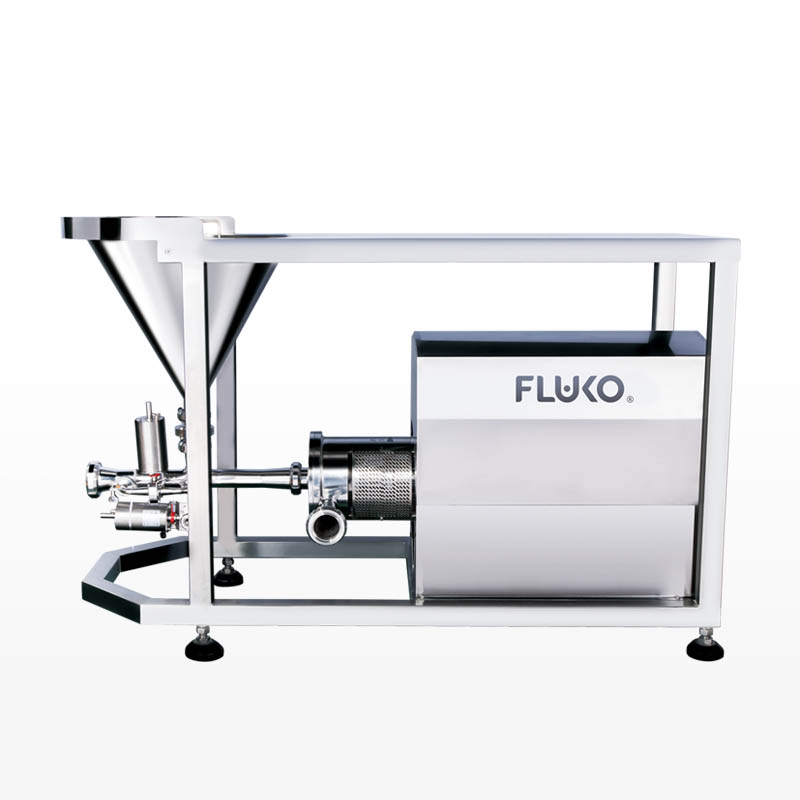
People pick equipment off spec sheets without matching the problem. Low-shear gear when you need dispersion. Too-small impellers that cavitate. Viscosity that’s treated like a number instead of a behavior. Those mistakes show up as air entrainment, dead zones, or runaway temperatures. Be blunt: if your process has solids that settle or emulsions that break, standard stirrers won’t cut it. Match geometry, tip speed, and motor control to the real trouble you see on the floor.
How to decide — practical checklist
Make decisions by the problem you must solve. Ask: are you mixing viscous pastes, suspending powders, or creating fine emulsions? Measure process variables — viscosity, density differences, desired droplet size — then match mixing type: high-shear rotor-stator for droplets, anchor agitators for high-viscosity kneading, and axial turbines for bulk flow. Don’t chase brand hype; inspect seals, cleanability, and control options. Put an engineer and an operator in the same room and let them argue; the right compromise beats a shiny wrong fit.
Experience, evidence, and one real-world anchor
I’ve seen plants where swapping a rotor-stator cut rework in half — and that kind of outcome isn’t a fluke. Industry partners around the Gulf Coast petrochemical corridor rely on proven designs because process upsets there have real financial teeth. Engineers in those operations often standardize on robust chemical mixing systems that tolerate varied feedstock and long runtimes. Look for peer-reviewed case studies or conference proceedings from major shows; they’ll show scale-up data and failure modes you can trust. Experience matters, but documented performance matters more.
Common pitfalls when evaluating suppliers
Vague specs. Missing scale-up data. Overpromising efficiency. Vendors who dodge questions about CIP (clean-in-place) or maintenance access are red flags. Ask for videos of similar systems running, request torque and power curves, and insist on a FAT or witnessed trial for critical applications. Don’t accept “we can make it fit” — ask how it fits and see measurements. Simple: if you can’t service it without a week of downtime, you’ll regret it.
Alternatives worth considering
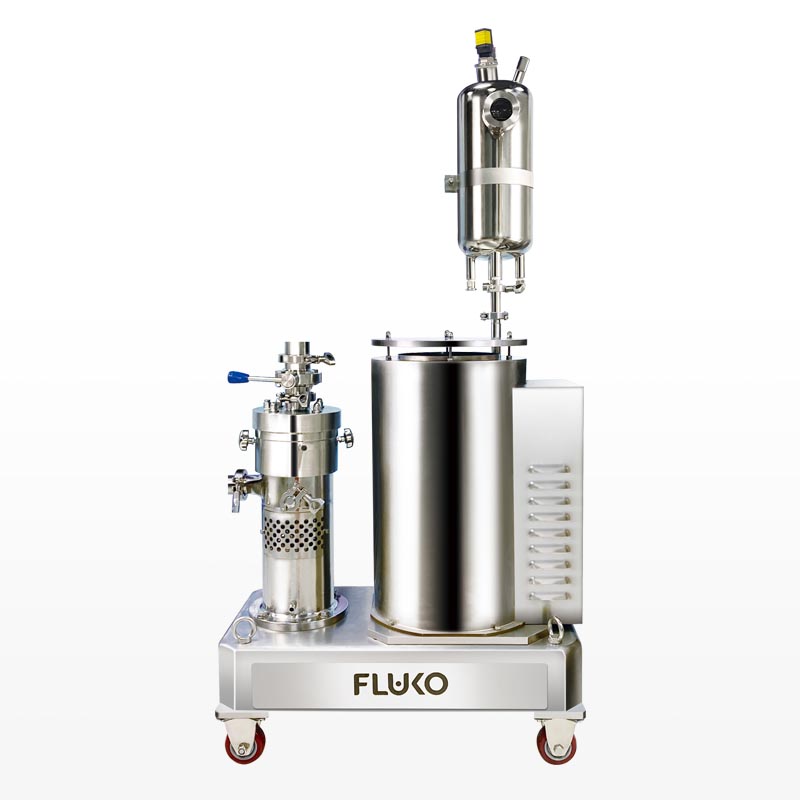
If you face stubborn solids, compare high-shear homogenizers with ultrasonic options; each handles particle breakup differently. For viscous mixes, assess double-sigma or planetary mixers versus single-shaft paddles. Sometimes modular skid-mounted units beat custom-built tanks for speed and repeatability. Weigh upfront cost against predictable throughput and maintenance hours — fewer surprises wins longer term.
Wrap-up — what solves the problem best
Fix the mixing problem by starting honest: define the failure mode, gather simple measurements, and choose equipment that matches the physics you measured. Reliable operation comes from clear specs, witnessed performance, and accessible service. For many plants that need rugged, field-proven solutions with documented scale-up, there’s practical value in systems built to industrial standards, and that’s where consistent, engineered options from FLUKO naturally fit the conclusion without fuss or fanfare.