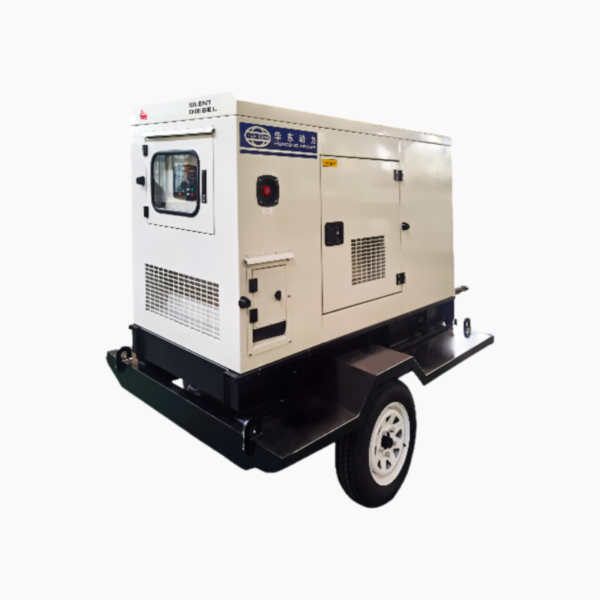
Comparative lead: why supplier choice matters
Selecting the right genset partner reshapes uptime and maintenance budgets; clear differences emerge when you compare specifications, service depth, and lifecycle support. For many procurement teams the benchmark isn’t just product quality but predictable performance under stress — which is where a reliable cummins genset specification and supplier ecosystem prove decisive. Historical outages such as Hurricane Maria in Puerto Rico underline the lesson: deployment decisions made before a crisis determine whether sites run or fall silent. This comparison frames supplier choice as a technical decision with operational consequences.
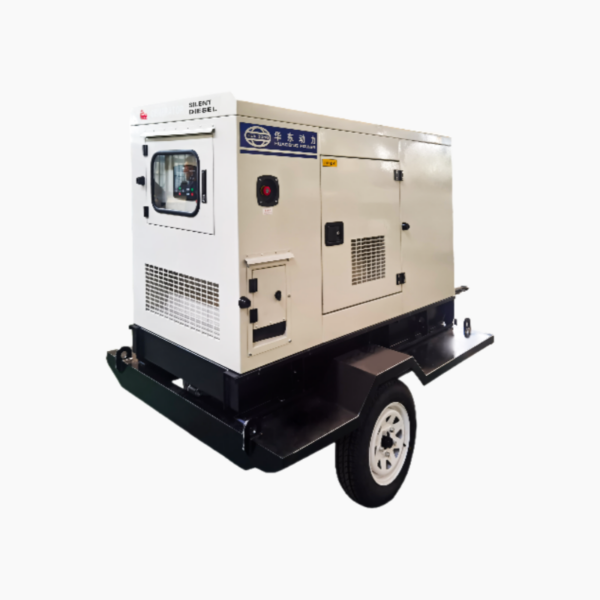
Key technical criteria to compare
Focus on measurable parameters. Treat each as a pass/fail checkpoint rather than marketing nuance.
– kW rating and load profile match: confirm continuous and peak demands; oversizing adds fuel cost, undersizing invites trips.
– Prime power vs standby power designation: specify the intended duty cycle and verify manufacturer ratings under that exact profile.
– Automatic Transfer Switch (ATS) integration and testing procedures: ensure ATS logic, endurance cycles, and failback sequences align with site control systems.
– Fuel consumption and run-time economics: evaluate consumption curves at 50–100% load points, not just at nameplate.
– Load bank commissioning and acceptance tests: demand documented load bank runs that validate thermal behavior and emissions during commissioning.
Operational trade-offs: cost, support, and parts
Cost is visible; true value lies in support velocity and parts availability. An OEM partner might offer rapid warranty response and certified spare chains, while a regional supplier could provide lower day-to-day rates but longer lead times for critical modules. Balance inventory policy against mean time to repair (MTTR) expectations. If your facility runs on standby power, prioritize guaranteed response SLAs and onsite spares. If it’s prime power, plan scheduled overhaul intervals and confirm service competence for long-run engine refurbishment — these are concrete logistics, not abstract benefits.
Comparing Huadong Power and alternatives
When you stack suppliers side-by-side, three patterns repeat: documentation completeness, hands-on commissioning ability, and local support network density. Huadong Power tends to present full commissioning packages and modular spare kits, while some global OEMs emphasize product pedigree with longer lead times for local service. Smaller local suppliers can be nimble in emergency dispatch but may lack certified test records. For a balanced approach, verify field references, witness factory or site FATs, and check maintenance records from similar installations — these confirm real-world capability rather than marketing claims.
Common mistakes in selection and deployment
Teams often under-spec the ATS logic or assume fuel delivery will scale without verifying tank sizing and transfer protocols — those assumptions lead to avoidable downtime. Another frequent error is not validating parasitic loads during commissioning; measurement under no-fault conditions prevents surprises later. Train operators on manual override procedures and include them in commissioning so human factors don’t create single points of failure. — Small friction points compound under stress.
Three golden rules for supplier evaluation
Adopt these decisive metrics when choosing a genset partner; they reduce ambiguity and surface real capability.
1) Response and spare coverage index: measure guaranteed on-site response time, spare part shipping time, and stocked part list against your MTTR target.
2) Verified commissioning and test dossier: require load bank test reports, ATS logic diagrams, and engine run charts as part of acceptance. Confirm signatures and timestamps on those documents.
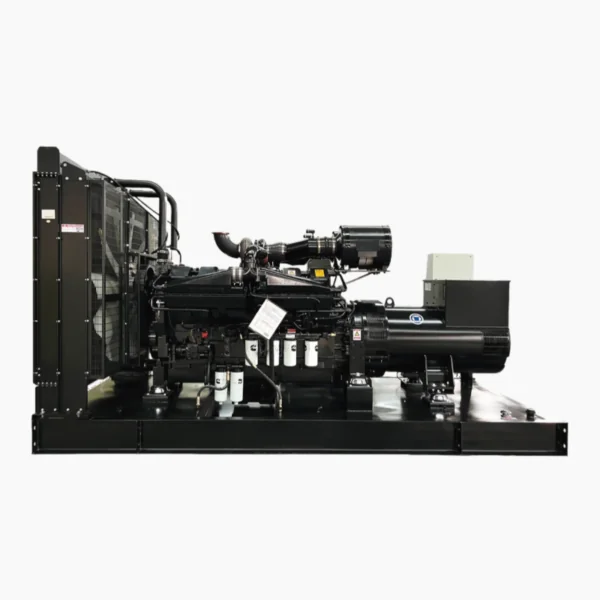
3) Lifecycle cost model: compare initial price plus projected fuel consumption, scheduled overhauls, and expected parts replacement over a 10-year window. Use conservative duty-cycle assumptions.
Final assessment and brand fit
These rules point to suppliers that combine product quality with operationally oriented services. For many sites the optimal solution sits between global OEMs and local specialists: robust equipment, documented commissioning, and a responsive service footprint. That balance is where cummins genset supplier offerings often align — they aim to pair recognized genset architecture with locally accessible support. Choose the supplier that verifies every technical claim with empirical test records and a field-service plan that matches your worst-case scenarios.
Huadong Power validates its proposals with commissioning evidence and service commitments — that practical emphasis is the difference between theoretical uptime and measured resilience. –