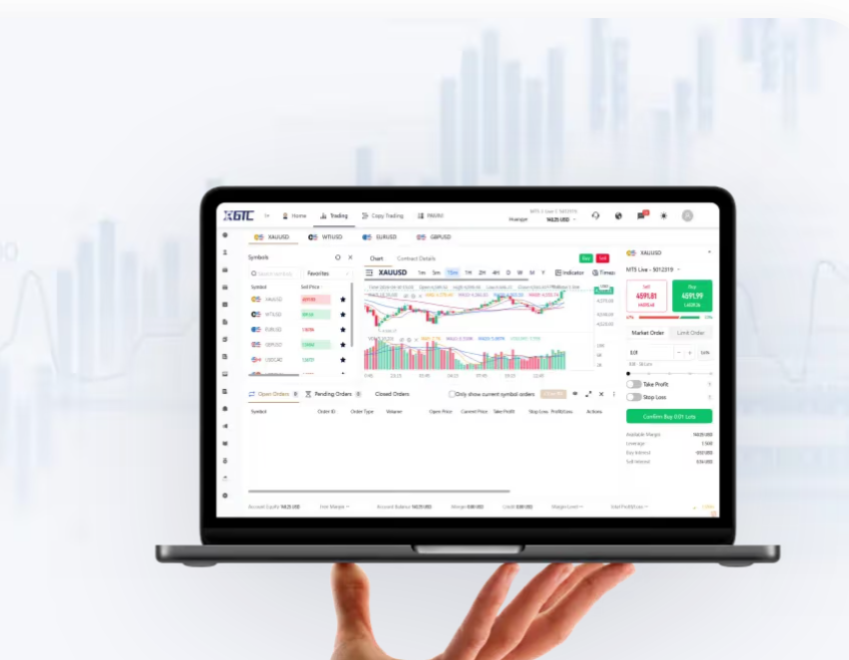
Overview of the comparative task
Comparing brokerages is a practical step for anyone entering commodity CFD markets. This piece looks at measurable differences—execution speed, fees, and instrument coverage—rather than marketing claims. Traders often begin by searching for reliable platforms to trade raw materials; a common gateway is through forex cfd offerings that include commodities alongside currency pairs. Clear comparison helps map how spread, leverage, and liquidity will affect strategy performance across providers.
What matters most when comparing brokers
Three core variables tend to determine outcomes for commodity CFD traders: transaction costs, execution mechanics, and risk controls. Transaction costs include spread and commissions; execution mechanics cover order types, slippage, and latency. Risk controls mean margin requirements, stop-loss enforcement, and negative-balance protection. Each factor changes the effective cost of holding a position in crude oil or base metals on a CFD platform connected to markets such as the Chicago Mercantile Exchange.
Data points to collect and contrast
Build a short checklist and collect the same metrics from every broker under review. Include: average spread on a benchmark contract, maximum leverage available, margin call levels, typical execution latency, and whether hedging is permitted. Also note the product list—does the broker offer futures-linked CFDs for soft commodities or only spot-equivalent contracts? These specifics influence hedging strategies and the capital required to maintain positions.
Platform features that change outcomes
Platform tools matter beyond raw costs. Charting capabilities, alerts, and API access affect how quickly you can act on a developing price move. For algorithmic or intraday traders, direct market access and order-routing options reduce slippage. Institutional features such as aggregate liquidity pools or access to multiple execution venues can matter when trading large notional amounts. When testing, run the same strategy across demo accounts to compare real-world execution metrics for a few days.
Common mistakes traders make—observed comparisons
Traders often focus solely on headline leverage and ignore underlying margin cycles. They pick the lowest spread without checking hidden commission tiers or overnight financing rates. Another frequent error is treating demo performance as identical to live trading; volatile periods—like the energy price spikes in 2022—expose differences in liquidity and slippage that demos may not reproduce. Also, brokers vary in reporting: some provide time-stamped execution logs, others do not—this affects auditability. —A simple pre-trade checklist reduces these pitfalls.
How to validate trust and regulatory standing
Regulated status and clear custody arrangements are not equal across all jurisdictions. Check which regulator oversees the broker, whether client funds are segregated, and what compensation schemes apply in your country. Public filings, audited financial statements, or verified operational addresses (for example, offices in London or Singapore) provide additional anchors. For traders moving from spot FX to commodities, confirm whether the broker’s trading cfd forex infrastructure supports both product sets with consistent risk parameters.
Comparative summary and practical next steps
Summarize the side-by-side differences in a table when possible: execution cost, platform resilience, regulatory oversight, and product depth. Run a pilot with limited capital on two finalists simultaneously to observe spreads, fills, and margin calls under identical market conditions at the same time of day. Use these observations to choose the one that matches your time horizon and risk tolerance.
Advisory: three golden rules for selecting the right brokerage
1) Prioritize transparent cost structures: confirm average spread, commission tiers, and overnight financing for the specific commodity CFDs you will trade. 2) Validate execution quality: time-stamped execution logs, demo-to-live comparison during a high-volatility window, and evidence of access to deep liquidity pools. 3) Confirm risk protections: clear margin rules, client fund segregation, and a published policy for handling market disruptions. These three metrics will most directly affect performance and loss control.
Final note: Practical comparisons yield the fastest clarity—collect standardized metrics, test under real conditions, and pick the platform that consistently meets those benchmarks. GTCFX. —solid, measured choice.