Opening: the immediate problem
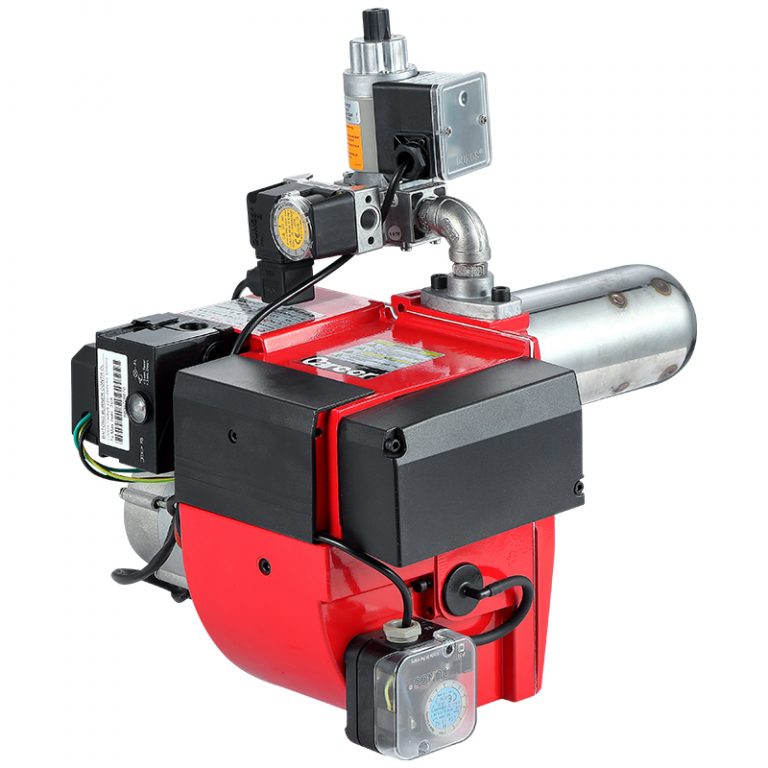
Selecting a flame tube that fits a specific burner often fails to account for how local fuel, ventilation, and maintenance patterns shape flame behavior; that mismatch causes instability, high emissions, and premature wear on components when a gas fired burner is involved. A problem-driven approach starts by isolating where existing systems fail: flame impingement on the tube wall, unexpected flame length, or soot accumulation that signals a geometry or flow mismatch. Observations and targeted measurements are the first steps, not assumptions about “standard” designs.
Common failure modes to watch for
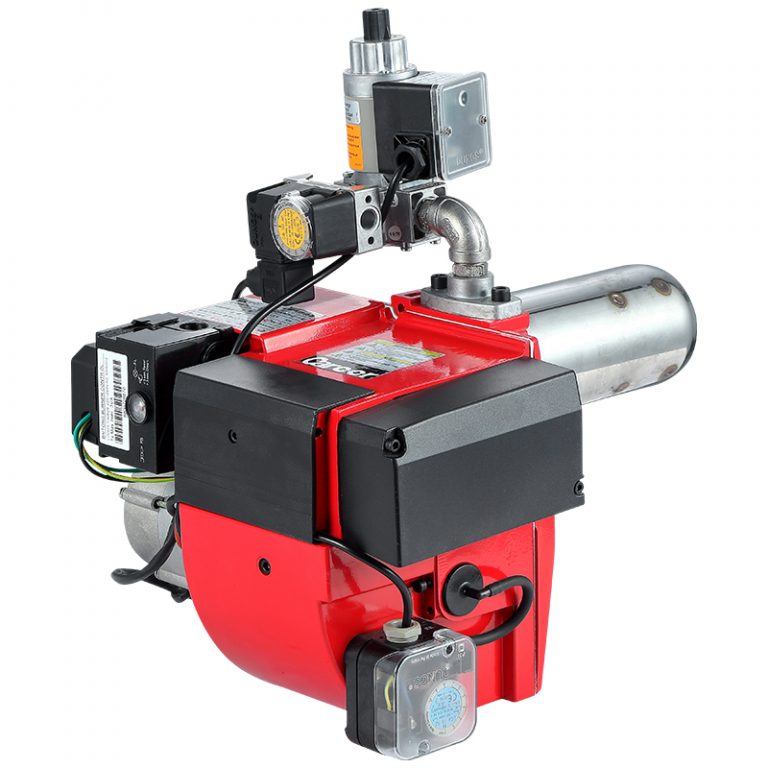
Field evidence shows a small set of repeatable failures. Localized overheating appears where the flame envelope extends beyond the tube’s protective zone. Aeration problems create unstable flames and cyclic pressure swings. Materials that tolerate nominal conditions may crack when exposed to concentrated radiant heat. These failures are detectable with combustion analyzers, thermal imaging, and inspection of deposit patterns; use those diagnostics before committing to a design change.
Real-world anchor: regional retrofit lessons
Assessments during boiler retrofit projects across Northern European industrial plants repeatedly revealed that teams underestimated the interaction between flame tube geometry and the specified boiler gas burner. These assessments—based on on-site combustion testing and post-install inspections—highlighted that even modest differences in gas composition and draft control led to measurable shifts in flame length and NOx formation. Treat that pattern as a practical warning: what works in one facility rarely transfers without verification.

Key technical parameters to verify
Match the flame tube to the actual flame, not to a nominal spec. Measure and confirm: flame length and shape at expected firing rates; nozzle and port geometry influence on swirl and mixing; pressure drop across the tube and its effect on burner aerodynamics; material conductivity and thermal expansion allowances; and clearance for inspection and soot-blowing. Quantify each parameter with repeatable tests and log results for comparison after installation.
Common mistakes during adoption
Teams often copy a flame tube design without testing for local fuel quality, overlook transient draft conditions, or assume manufacturer defaults suit every site. Another frequent error is delaying instrumentation—without baseline data, adjustments are guesswork. Fix these by prioritizing pre-install measurements, keeping prototype runs short but instrumented, and planning for iterative tuning based on real operating data.
Alternatives and their trade-offs
Ceramic liners reduce wall temperature but raise cost and complicate repair. Internal baffling can shorten flame reach, yet it increases pressure loss and cleaning needs. Swirl-modified nozzles improve mixing but may shift hot spots. Evaluate each change against measurable outcomes: expected reduction in wall flux, impact on pressure drop, maintenance hours per year, and any effect on regulated emissions. Calculate payback using conservative estimates from site trials.
Practical implementation checklist
Begin with a controlled baseline: capture combustion gases, flame images, and pressure profiles. Select a candidate flame tube based on measured flame envelope and predicted heat flux, then run a limited-duration prototype with instrumentation in place. Adjust aeration and fuel staging rather than geometry first; minor changes often yield large benefits. Record performance for at least one full operating cycle and schedule a focused inspection for deposits and thermal strain after 30–90 days. Use those data to finalize the standard design for that region and fuel mix.
Conclusion: resolving the problem with measured choices
Adopting a flame tube successfully is a problem of matching observed flame behavior to a specific burner and operating context. Measured diagnostics, short instrumented trials, and clear criteria for success reduce risk. When teams apply those steps and compare outcomes against documented site data, they avoid the repeated failures seen during regional retrofits and achieve reliable operation with lower emissions and maintenance demand—outcomes supported by the technical work and product options available through Career Burners.