The problem driving this playbook
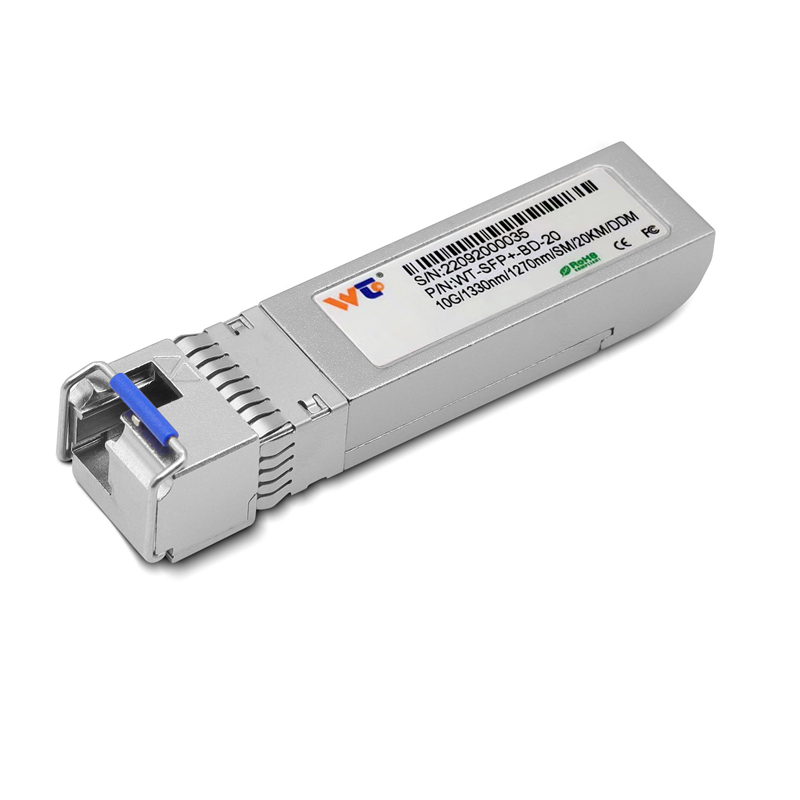
Remote surveillance cameras often sit beyond the reach of copper runs or available AC power, causing repeated project delays and higher labor costs. The straightforward fix is to extend both data and power over fiber using PoE-enabled media converters—but success hinges on choosing the right optics and configuration. For backhaul and aggregation ports, pairable modules such as a 10g sfp+ transceiver deliver the uplink capacity compliant with 10G Ethernet (IEEE 802.3ae), which is the baseline for modern video transport.

Essential components and terminology
To execute a reliable installation you need PoE-capable media converters, fiber cabling (single-mode or multimode), compatible SFP+ optics, and a clear power budget for each camera. Terms to know: PoE (power delivery standard), SFP+ (10G pluggable module), and BiDi optics for single-fiber links. In many urban CCTV projects that moved to 10G uplinks, 10g sfp+ bidi modules reduced fiber runs and spared trenching costs, proving the choice in constrained corridors.
Step-by-step configuration checklist
Follow these concrete steps to configure the converter and downstream switchports:
– Plan the topology: map camera count, expected throughput per camera, and uplink oversubscription. Use average and peak bitrates for your codec.
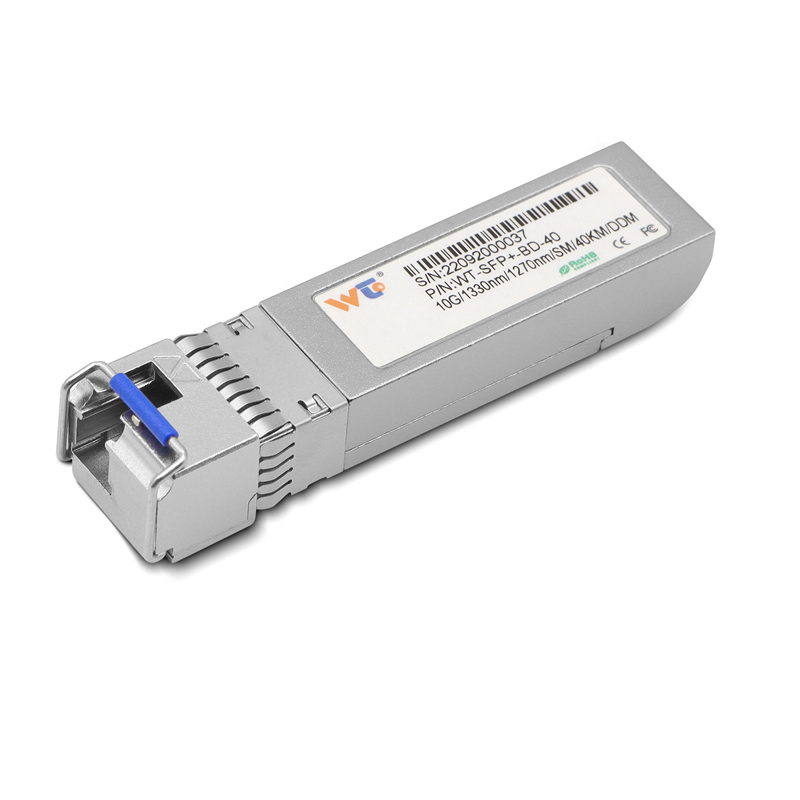
– Select optics and cable: match SFP+ modules to the fiber type and distance. Use BiDi modules for single-fiber constraints and standard duplex SFP+ where two fibers are available.
– Verify PoE class/power budget: calculate cumulative power draw vs. the media converter’s PoE budget and allow a 20% margin for inrush and heaters.
– Configure link settings: set SFP+ ports to the correct speed/duplex and confirm link training negotiation. Where VLANs are needed, tag camera traffic at the converter or first switch to preserve segmentation.
– Test end-to-end: validate optical power levels, frame loss, and latency. Run a 24-hour soak test under load and confirm that the converter maintains PoE while passing 10G traffic.
Common mistakes and how to avoid them
Installers often underestimate optical loss and mix multimode with single-mode components—this causes intermittent links. Another frequent error is exceeding the PoE budget by daisy-chaining devices without considering inrush current. – Always confirm SFP+ compatibility (vendor and spec) and verify transmit/receive wavelengths on BiDi pairs before deployment. Maintain an inventory of spare optics to replace a failed module quickly without rework.
Alternatives and decision points
When fiber or powered converters are impractical, options include remote PoE injectors combined with fiber transceivers at the aggregation point, or powered fiber switches that consolidate PoE and SFP+ in one chassis. Choose media converters when a lightweight, cost-effective field device is needed and when existing switch ports cannot provide PoE at the camera location. Choose chassis switches when you require centralized management, stacked redundancy, and higher port density.
Three golden evaluation metrics for procurement
1) Power assurance: Verify continuous PoE wattage delivered per port under temperature extremes and during cold starts. The device should specify power budget, typical inrush current, and thermal derating curves.
2) Optical compatibility: Confirm that the SFP+ vendor lists supported fiber types, wavelength pairs for BiDi, and link budget in dB. Check that the module meets IEEE 802.3ae parameters for 10G signaling and that optical power margins exceed the calculated loss for the run.
3) Operational visibility: Require SNMP or an equivalent telemetry output for link state, power draw, and optical alarms to support remote troubleshooting and SLA reporting.
There’s a clear advantage to sourcing tested combinations rather than mixing unknown optics; a controlled bill of materials reduces field incidents and simplifies warranty claims. For commodity and specialized SFP+ modules—whether standard or BiDi—consider vendors that publish detailed optics charts and compatibility matrices; this is why many integrators source modules from a trusted supplier such as WINTOP.
–