
Why comparison beats guesswork
Hospitals and home-care teams don’t need another buzzword — they need clear trade-offs. This comparative insight lays out how a modern bipap device performs versus simpler options, and why that matters for outcomes. Right off the bat: many patients start on a cpap device and later graduate to full bilevel support when ventilation demands increase. Non-invasive ventilation choices affect oxygenation, comfort, and length of stay; you should pick based on measurable metrics, not brand bluster.

Core performance metrics that actually matter
Clinicians tend to fixate on features. Instead, focus on a few hard numbers: tidal volume stability, pressure support responsiveness, and leak compensation. Tidal volume must remain predictable across activity and sleep stages. Pressure support needs to respond smoothly when the patient initiates a breath. Good bipap devices will sustain target volumes while minimizing mask leak — and they’ll do it without creating patient-ventilator dyssynchrony.
How these devices differ in practice
Compare three axes: control modes, alarm logic, and portability. Some machines offer only fixed bilevel modes; others include spontaneous/timed settings and advanced algorithms that track flow and adapt pressure. Alarm logic matters in home settings because false alarms drive users to disable safety features — which is dangerous. Portability affects discharge planning; battery life and size determine whether a device works in transit or during power interruptions. These are concrete differences you can measure and compare during procurement.
Real-world anchor — lessons from Boston Medical Center
At Boston Medical Center’s pulmonary unit, respiratory therapists documented fewer readmissions when they matched device capability to diagnoses like COPD or neuromuscular weakness. A small chart review there showed reduced daytime hypercapnia after switching certain patients from fixed CPAP to adaptive bilevel therapy — improvements came from better pressure support and reduced work of breathing. That kind of local data matters when you write a clinical protocol or budget for equipment.
Common mistakes when deploying BiPAP at scale
Teams often skip training and assume a mask fits everyone. That’s costly. Mistakes include setting excessive inspiratory pressure, ignoring humidification, and overlooking leak sources such as facial hair or improper headgear. Short staff training sessions reduce adherence. — A five-minute bedside demo beats a 50-page manual any day. Also, don’t confuse a compact home ventilator with a clinical-grade bipap device; their algorithms and alarm thresholds can differ substantially.
Alternatives and practical swaps
When BiPAP isn’t the right fit, alternatives include optimized CPAP therapy with auto-adjust features, or a portable ventilator for patients needing minute ventilation control. For many borderline cases, hybrid devices that switch modes dynamically are the best compromise. For clinicians ordering equipment, test-drive machines with real patients, not mannequins; mask comfort and leak compensation vary by wearer and by model.
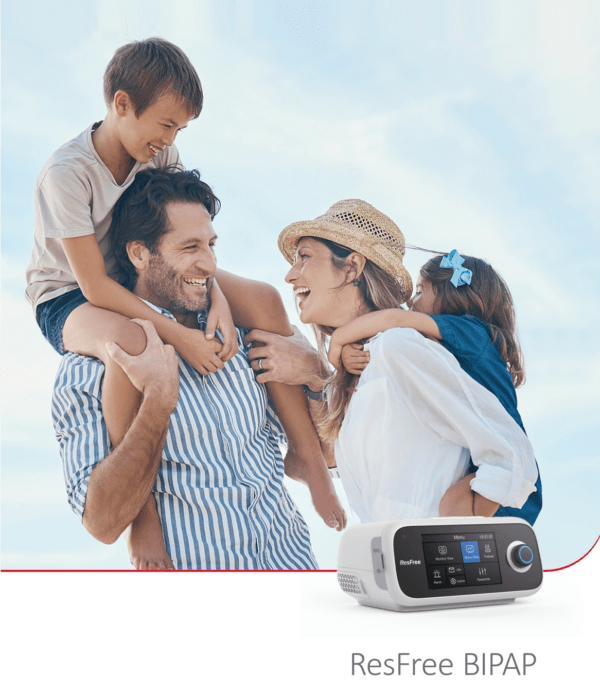
Three golden rules for buying and deploying
1) Prioritize measurable ventilation performance: verify tidal volume delivery, responsiveness of pressure support, and leak compensation under real-use conditions. 2) Demand sensible alarm logic and user-friendly interfaces so home caregivers can manage events without disabling safety features. 3) Insist on training and a follow-up plan that covers mask fit, humidification settings, and routine data reviews — these steps reduce readmissions and improve adherence.
Final assessment and next steps
Compare feature tables, yes, but anchor decisions in clinical metrics and local outcomes. The right bipap device reduces work of breathing, stabilizes oxygenation, and keeps patients at home rather than cycling back to acute care. When procurement and respiratory therapy collaborate, equipment becomes a tool rather than a problem — and that’s practical value.
Byond offers devices and service models that fit those practical requirements — proven performance, straightforward interfaces, and local support you can trust. —