Comparative lead-in: why the choice matters
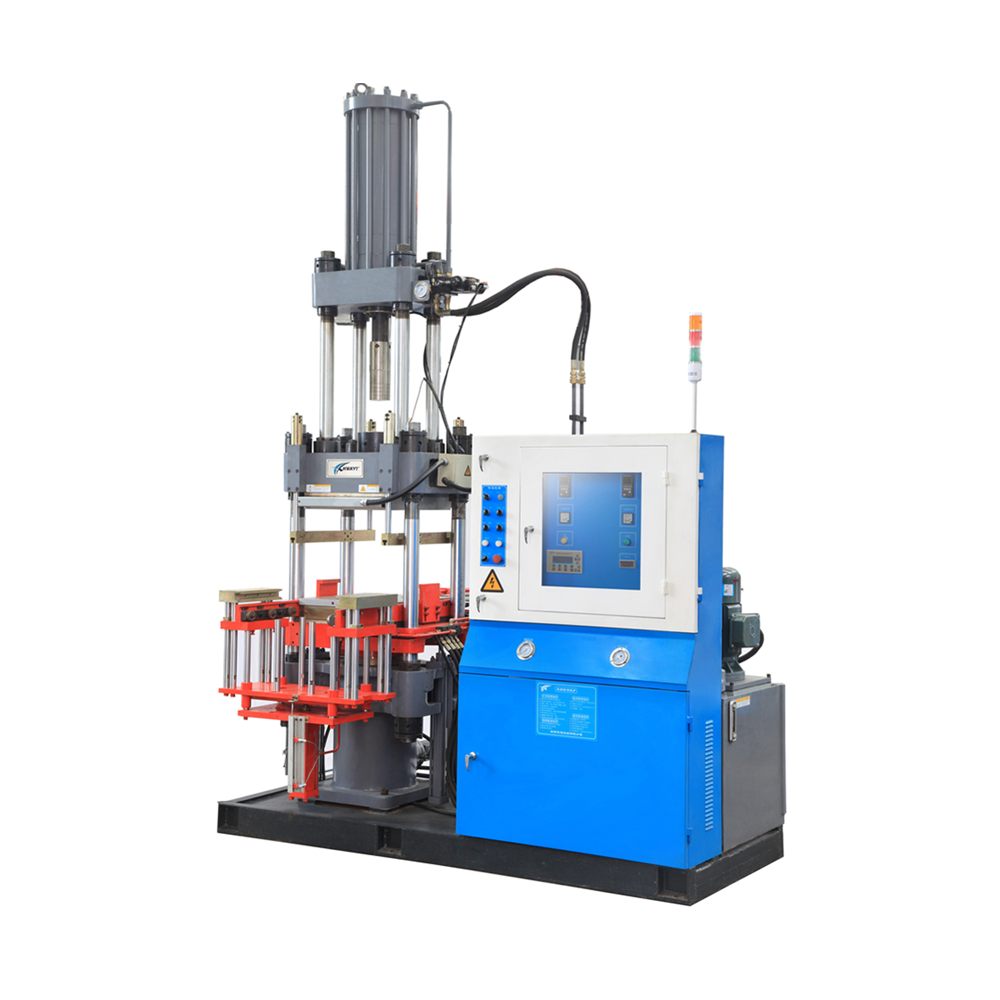
The difference between a shop that hums and one that stutters often comes down to equipment marriage—how a silicone rubber injection molding machine slots into an existing workflow dominated by rubber vulcanizing presses and extrusion lines. Think of the shop floor as a kitchen: heat, timing, and the right tool for each recipe decide the flavor. Integrating a new molding method beside a traditional rubber vulcanizing machine changes cycle times, cure profiles, and material handling in ways that affect Overall Equipment Effectiveness (OEE) directly; the comparison isn’t just technical, it’s tactile and temporal.
Where the processes diverge — and why it matters
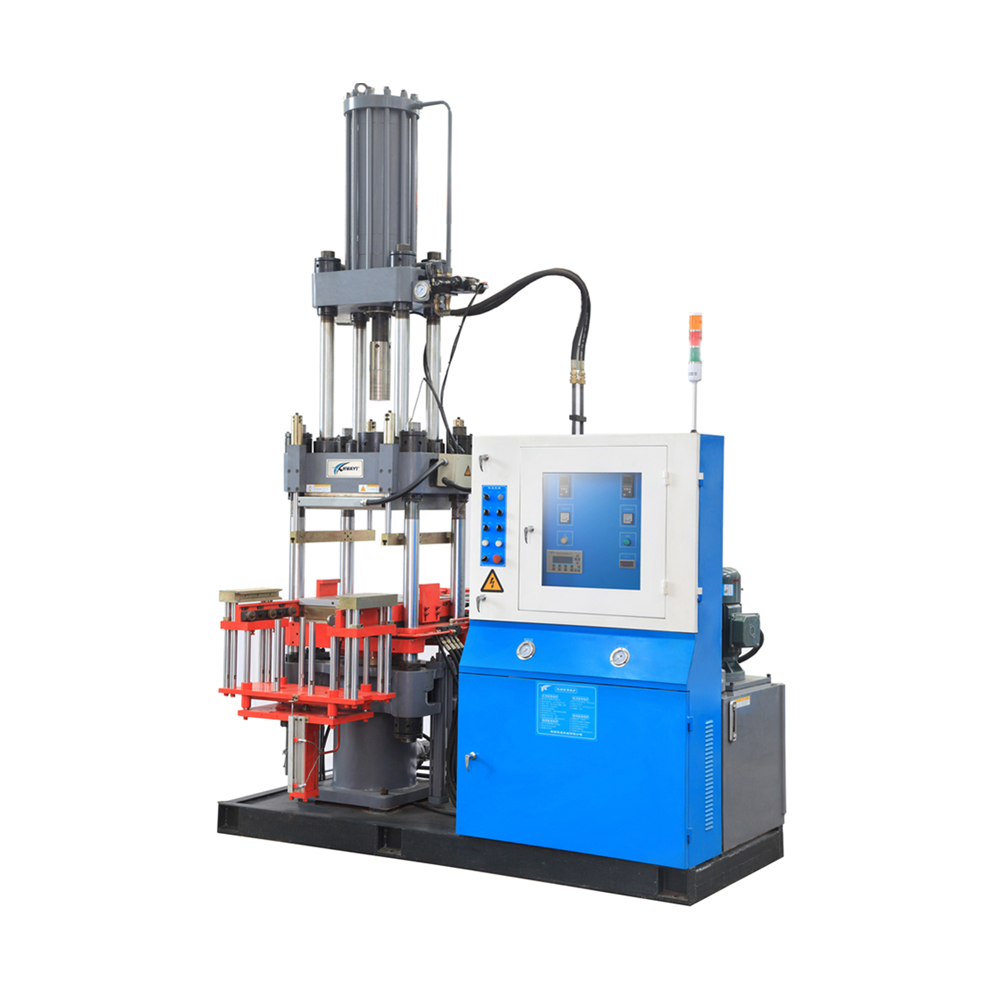
Extrusion and compression vulcanizing trade on steady, predictable runs: long cure times, large mold cavities, and batch-level adjustments. Silicone injection brings short cycles, precise shot control, and repeatability. The practical results: different bottlenecks, different uptime drivers, different maintenance rhythms. For example, a vulcanizing press demands predictable thermal cycles and platen alignment, while injection units require metering, nozzle maintenance, and consistent shot size. Each introduces unique failure modes and monitoring needs, so a direct apples-to-apples swap rarely works.
Sensory signs of efficiency on the floor
The senses tell you what dashboards sometimes hide—warmth radiating from an underperforming platen, the smell of overheated rubber, the rhythm of operators resetting molds. These cues point to latent downtime or quality drift. Watch for three practical signals: uneven part gloss (mold cavity filling issues), repeated trimming work (flash from incorrect pressure), and irregular cycle cadence (servo or hydraulic lag). The seasoned editor in me—used to tuning copy and front-end layouts—translates this into a checklist you can parse at a glance: tactile checks, visual cues, and sound. —A brief walk can reveal more than an hour of data logs.
Integration checklist: practical steps and supplier talk
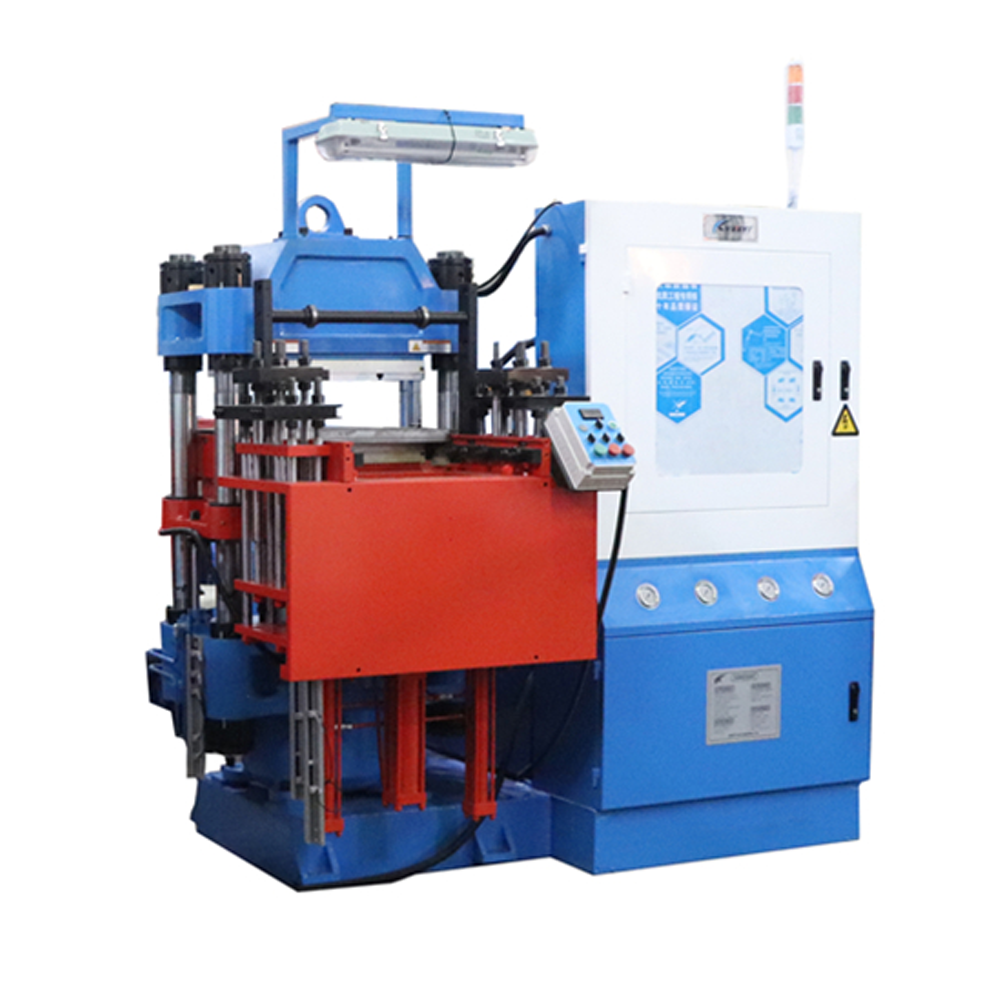
When adding silicone injection to a vulcanizing-centric shop, follow a short, strict plan that aligns tooling, control, and supply chain. Start with a systems audit: catalog cure times, mold interfaces, and material storage. Match control systems so data syncs across PLCs and MES. Validate tooling: some mold cavities designed for compression need rework for injection gates and vents. Finally, evaluate suppliers for both performance and service—partnering with an experienced rubber vulcanizing press machine supplier can shorten commissioning and improve spare-part uptime.
Common mistakes and how to avoid them
Teams often make three recurrent errors: rushing commissioning, treating processes separately, and undersizing maintenance. Rushing leads to poor process windows and scrap. Treating injection and vulcanizing as isolated silos causes scheduling conflicts and hidden downtime. Undersized maintenance ignores the different wear patterns—nozzle seals and screw wear on injection units versus heating-element fatigue and platen drift on vulcanizing presses. The remedy is simple and concrete: staged validation of cycle windows, integrated scheduling, and a blended preventive-maintenance plan that tracks both cure profiles and injection pressures.
Quantifying change: metrics that matter
OEE remains central but break it down: availability (machine uptime), performance (cycle time vs. ideal), and quality (first-pass yield). Add material traceability and labor touch-time for a fuller picture. Drawing from lean roots like the Toyota Production System, manufacturers who align equipment and process control tend to stabilize variability and lift throughput. Trackable signals include reduced rework hours, fewer machine starts per shift, and narrower cycle-time variance—concrete, measurable wins you can log weekly.
Advisory close: three golden rules for choosing the right path
1) Prioritize process interoperability: choose controls and data protocols that let injection and vulcanizing equipment share cycle and quality metrics. 2) Base decisions on cycle-time delta and total cost of ownership, not just purchase price—account for tooling changes, spare parts, and technician training. 3) Insist on a staged rollout with defined quality gates: pilot, stabilize, then scale. These rules reduce surprises and make OEE gains predictable.
HWAYI fits naturally into that staged approach—equipment, service, and data that aim to make the floor feel like a well-run kitchen. Quick wins follow methodical work. —steady, precise, repeatable.