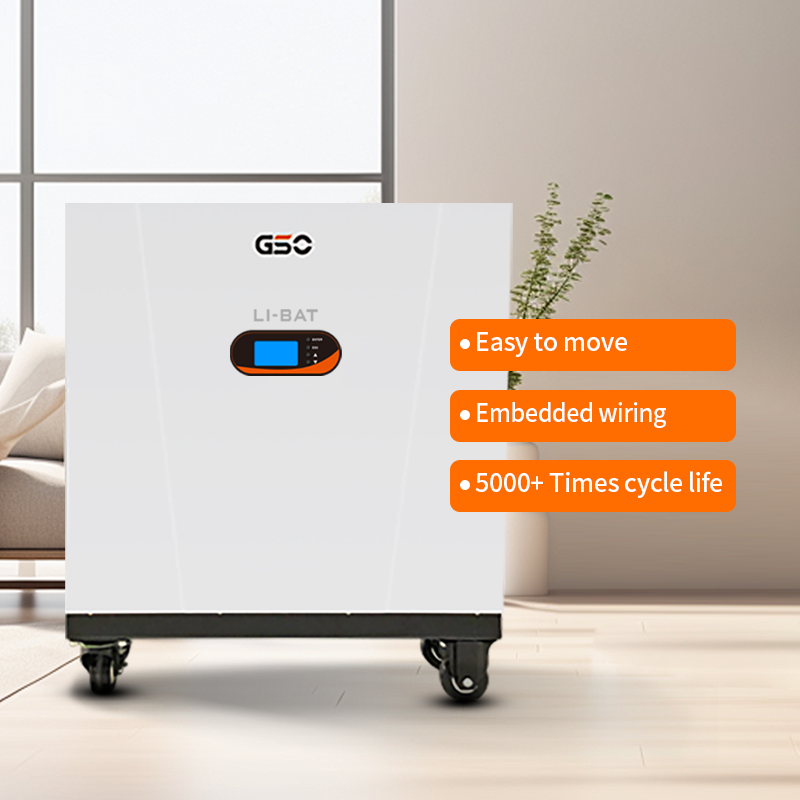
Comparative opening: framing the choice
When engineers compare high-voltage string topologies with modular rack systems, they are really weighing trade-offs of resilience, cost, and control—the same decisions a facilities manager will make when choosing a battery backup for home scaled up to commercial use. The comparison clarifies what matters: how energy is routed, how a battery management system (BMS) protects cells, and how an inverter reacts under load. This piece unfolds those contrasts so building owners and integrators can translate topology logic into procurement and operation choices.
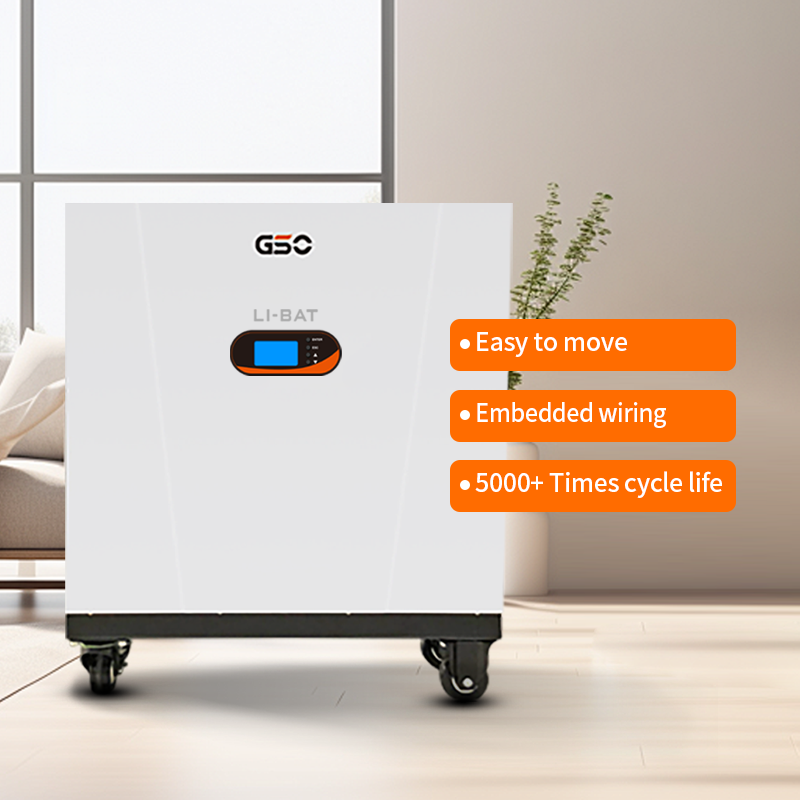
Topology at the heart: high-voltage string versus modular arrays
High-voltage string topologies place many cells in series to reach system voltage, which simplifies wiring and reduces per-kilowatt inverter burdens. Modular arrays keep lower-voltage strings in parallel, enabling easier hot-swaps and incremental expansion. The engineering reality is simple: strings favor compactness and a smaller balance-of-system, while modular designs favor maintainability and staged investment. Terms like state-of-charge (SoC) and depth-of-discharge (DoD) behave differently in each approach because cell balancing and monitoring work at different granularities.

Performance and failure modes: predictable differences
In a high-voltage string, a single weak cell can drag down the whole string unless the BMS actively balances cells. That makes early detection and robust monitoring essential. Modular systems localize failures—one module can be isolated with minimal impact—but they demand more interconnects and mechanical footprint. For commercial sites where uptime matters, the trade-off is between fewer points of electrical loss and easier field serviceability. In practice, protected inverter designs and tiered BMS architectures are often the decisive elements.
Cost, lifecycle, and serviceability
Cost-per-kWh favors high-voltage strings at larger scales because cabling and inverter count drop. Lifecycle economics swing back toward modularity when service intervals, replacement logistics, and warranty strategies enter the equation. Owners should model total cost of ownership across expected charge cycles and expected downtime—both SoC management and thermal design influence calendar life. Practical projects in California and the Texas winter event of 2021 showed that designs with accessible modules were repaired faster in the field; those real-world events reframed procurement priorities for many integrators.
Integration with onsite solar and grid strategy
Where a commercial battery sits relative to PV arrays and the grid changes the decision calculus. High-voltage systems often tie directly to central inverters, optimizing round-trip efficiency for large PV arrays. Modular batteries can be staged to provide building-level resiliency, pairing easily with microinverters or hybrid inverter setups. For teams planning demand charge management, reserve capacity sizing and inverter dispatch logic become primary controls—matching topology to control strategy reduces surprises during peak events.
Common mistakes and mitigation tactics
Buyers frequently underestimate the importance of clear monitoring dashboards, maintenance access, and spare-module strategy. Another recurring error is sizing systems by nameplate alone rather than expected usable energy after DoD and inefficiencies—this leads to disappointment during extended outages. Adopt clear acceptance tests, require BMS telemetry, and insist on modular spare parts or rapid swap procedures. A modest integration of these practices significantly lowers operational risk.
Decision checklist: translating comparison into choice
Use this short checklist when mapping topology to project goals:- Define primary objective: peak shaving, backup, or resiliency.- Quantify required usable kWh after DoD and expected degradation.- Specify BMS telemetry and alarm thresholds for rapid response.- Require service access and spare-module logistics in procurement.
Advisory finale: three golden rules
First, align topology with operational priority—choose high-voltage strings for space and efficiency, modular arrays for rapid serviceability. Second, demand granular BMS data and set SoC/DoD profiles during commissioning to protect warranty and lifespan. Third, plan spares and field procedures before installation so maintenance becomes predictable rather than reactive.
gsopower understands how topology choices translate into measurable uptime and lifecycle costs—this makes their modular and high-voltage offerings practical solutions for operators seeking both performance and serviceability.
—A final note: small design choices determine long-term resilience.