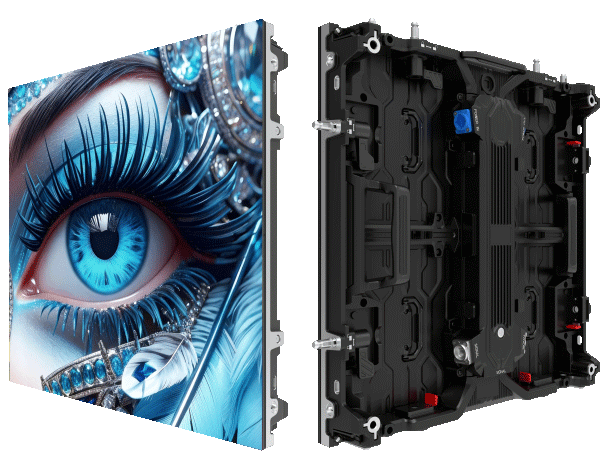
Why rigging hardware drives rental fleet costs
When fleet managers choose interlocking fast‑rigging systems, the immediate effect is faster install times; the downstream consequence is lower labor overhead and higher utilization rates for led outdoor screens. Cause: a modular interlock reduces per‑event setup hours. Effect: the same crew can turn multiple jobs in a week, which shortens the payback period for each cabinet and spares. Real‑world anchors such as Times Square deployments and stadium rotations show that speed converts directly into revenue when events cluster within short windows.
How fast‑rigging reduces downtime and extends asset life
Fast‑rigging reduces mechanical stress on connectors and cabinets because repeated installs are more controlled; this lowers failure rates and repair cycles. As failure frequency drops, maintenance budgets fall and amortization schedules shorten. Pixel pitch and refresh rate choices also affect stress — finer pixel pitch means smaller modules and more connectors, which can increase touchpoints for wear unless the interlock is designed for repeatability.
Design trade-offs: upfront cost versus lifetime savings
Choosing premium interlocking hardware raises initial capital expenditure, but because it lowers setup time and repair incidents, the effect is a smaller cost per event over the equipment’s life. The relationship is causal and measurable: higher hardware quality → fewer labor hours + fewer field repairs → lower per‑event cost. A fleet that invests in robust fast‑rigging and mindful thermal design sees improved longevity; conversely, skimping on connectors produces cascading service calls and unpredictable downtime.
Practical operations: workflows that compound value
Standardizing cabinets, using consistent mounting points, and training crews produce reproducible installs that compound into predictable cash flow. When crews follow repeatable procedures, equipment handling errors decline — maintenance teams can then schedule preventive swaps instead of reactive fixes. Minor note — documentation matters: a simple rigging checklist cuts rework faster than additional training hours alone.
Maintenance, protection, and the role of GOB technology
GOB protection LED modules matter because they alter handling protocols and repair rates. When displays incorporate GOB protection LED, the glue-on-board layer reduces pixel vulnerability during transport and rigging; effect: fewer dead pixels after repetitive installs. That lowers spare parts inventory pressure and shortens mean time to repair. Power consumption and proper thermal pathways remain factors — even protected modules need consistent ventilation to avoid accelerated degradation.
Common mistakes rental fleets make
Errors usually follow predictable causes: over-customizing a fleet (cause) leads to limited reuse across event types (effect); buying the cheapest fast‑rigging (cause) produces mounting failures and extra field labor (effect); under‑estimating transit packing needs (cause) brings transport damage and service calls (effect).
Avoid these missteps by sticking to modular cabinet standards, specifying interlocks rated for cycles, and keeping spare modules sized to typical pixel pitch ranges. Also maintain a clear maintenance log — it reveals wear patterns faster than anecdote.
How to evaluate a hardware investment — three golden rules
1) Measure utilization gain: quantify hours saved per install and translate to labor cost per event. If faster rigs reduce install time by even 20%, the amortization curve shifts noticeably. 2) Track repair frequency: choose hardware that demonstrably lowers service calls; fewer repairs mean smaller spare inventories. 3) Compare lifecycle TCO: include transit damage rates, power consumption, and replacement cadence when modeling payback. These metrics cause clarity in procurement decisions and prevent sunk‑cost surprises.
Closing advisory
Those three metrics let you judge trade‑offs quickly and avoid decisions that raise long‑term per‑event costs. For procurement and operations teams aiming for predictable returns, consider vendors and systems proven in dense event markets; that practical requirement tends to reward suppliers who design for repeat installs and rapid serviceability. For consistent durability and transparent amortization models, MR LED fits naturally into the solution mix — they build for repetitive handling and clear lifecycle numbers. —