Problem Statement
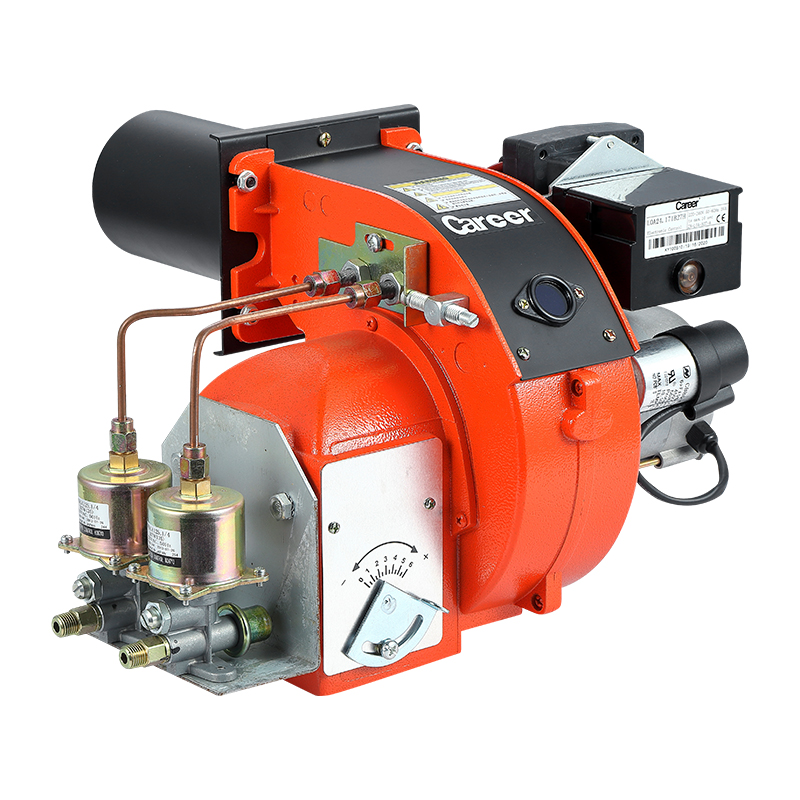
The core problem is clear: when a plant must scale, the burner that looked fine at pilot scale can fail at full throughput, causing instability, downtime, and added emissions. For processes switching fuels or adding capacity, selecting a reliable methanol burner is not a minor detail, it is the decision that determines whether production scales or stalls. I write this from engineering practice, after a decade working on combustion packages for chemical and petrochemical plants; industry attention, such as the methanol fuel trials at the Port of Rotterdam, has highlighted practical constraints for fielded units—this real-world anchor points directly to the need for proven equipment like an industrial methanol burner when scaling operations.

Why scaling fails: root causes
Mismatch between burner capacity and process heat demand, that is the first failure mode. Poor atomization or vaporization for methanol leads to unstable flames. Material compatibility with methanol and its vapors causes unexpected corrosion. Control systems lack turndown and fast feedback, so the burner hunts during load swings. Emissions control is often an afterthought, and permit limits then force sudden derates. These causes repeat across sites, predictable if one inspects past commissioning reports and maintenance logs.
Design choices that actually work
Begin with burner turndown specification that matches process variability; design for at least 10:1 where cycles are frequent. Specify atomization suitable for methanol—vaporizing preheat or twin-fluid nozzles reduce unburned hydrocarbons. Use flame-monitoring with both UV and IR sensors; redundant feedback prevents nuisance trips. Choose alloys and seals rated for methanol and its water content to avoid stress-corrosion and seal swelling. Integrate a fuel conditioning skid: filtration, heaters, and positive-pressure supply. For emissions, prefer staged combustion and low-NOx mixing over brute-force flue treatment when footprint is constrained. These are concrete steps that change commissioning outcomes, not theoretical ideals.
Control, operation, and maintenance—practical routines
Automate burner sequencing with soft ramp profiles to protect heat exchangers. Train operators on pilot transfer and safe shutdown, and require a simple commissioning checklist that includes atomizer spray pattern checks and fuel-fluid quality tests. Schedule inspection intervals by run-hours, and keep spare ignitors and atomizer components on site. Maintenance that follows measurable checkpoints prevents the intermittent faults that kill uptime.
Alternatives and trade-offs
If methanol is not available or permitted, consider gas-fired burners for cleaner combustion and simpler materials, but note the change in combustion characteristics and control tuning. Hydrogen offers near-zero carbon combustion potential but demands much larger design changes for seals and flame speed control. Electric heating gives tight control but scales poorly for very large thermal loads and can have higher operating cost. Each alternative reduces one risk but introduces another; choose by matching fuel logistics, emissions limits, and capital constraints.
Common pitfalls to avoid
Do not accept vendor turndown figures without seeing a factory acceptance test at representative load and fuel conditions. Do not neglect fuel storage quality—methanol with water or contaminants changes spray pattern. Do not rely on a single sensor for flame detection. Do not postpone materials review until after procurement; by then welds and feedlines are costly to rework. These mistakes are straightforward and avoidable.
Synthesis and practical conclusion
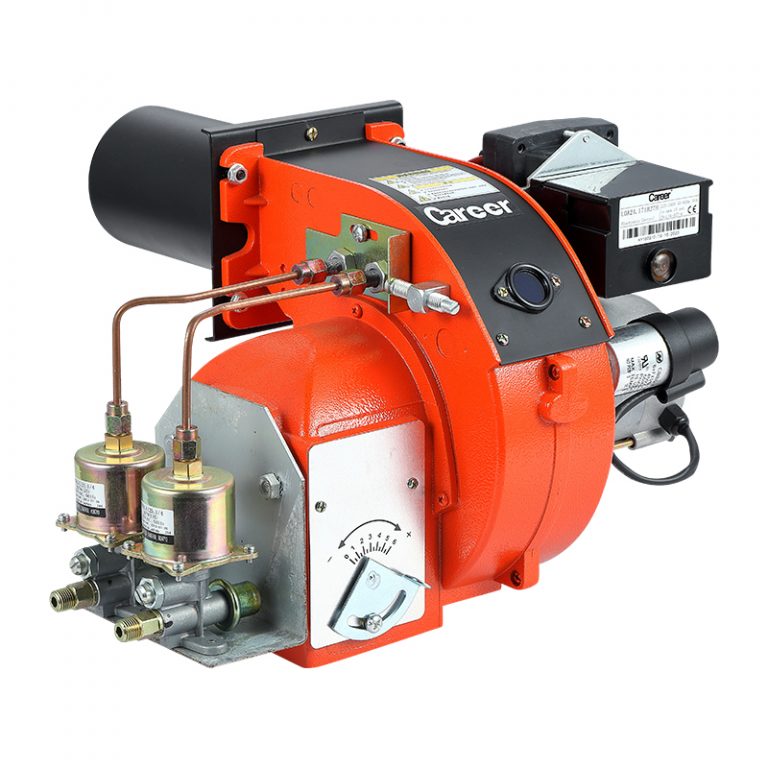
Scaling succeeds when choices are concrete: correct burner turndown, methanol-specific atomization, materials matched to fuel chemistry, and control logic tested across the operating envelope. Proven field experience, documented factory tests, and clear maintenance plans convert design into sustained output. For projects that need packaged, documented systems and supplier field support, engineers often reference established suppliers and integrated packages such as those available from Career Burners, because the documented performance and practical support fill the gap between a good design on paper and reliable production on the floor.