Why a comparative check matters
Choosing a supplier is a technical decision, not a guess. Compare cure speed, adhesion, elongation, and compatibility across candidates before you sign terms. If you want a focused supplier reference, consider a dedicated silicone sealant manufacturer that publishes technical data sheets and batch test results. Pay attention to compliance with EN 15651 when you evaluate façade and window sealants; that standard is the baseline many architects and contractors use.
Performance specs to line up side-by-side
List measurable criteria: Shore A hardness, tensile strength, elongation at break, tack-free time, and full cure time. Require lab data for each metric under the same test conditions. Don’t accept vague terms like “high strength” without numbers. Put numbers in a spreadsheet and compare ranges, not marketing claims.
Materials and formulation differences that matter
Neutral-cure versus acetoxy-cure changes compatibility and smell. Silicone with added fungicide is useful for wet areas; RTV silicones are better for tool-life control in production lines. Ask for the polymer base, fillers, and plasticizer content. If a sealant uses unspecified “proprietary modifiers,” flag it for additional adhesion testing.

Quality control and testing you should demand
Look for batch traceability and independent test reports. Verify accelerated weathering, adhesion to your substrates, and expansion/compression cycling data under your expected service temperatures. Confirm an onsite QC lab or third-party lab partners and documented failure rates for new batches. These elements show the supplier runs repeatable processes.
Manufacturing capacity and supply logic
Match their output cadence to your needs. Small-batch makers excel at custom formulations; high-volume plants handle consistent supply. Check lead times, minimum order quantities, and whether they maintain safety stocks for key raw materials. Ask about tooling and filling lines—automation reduces variability.
Packaging, shelf life and storage rules
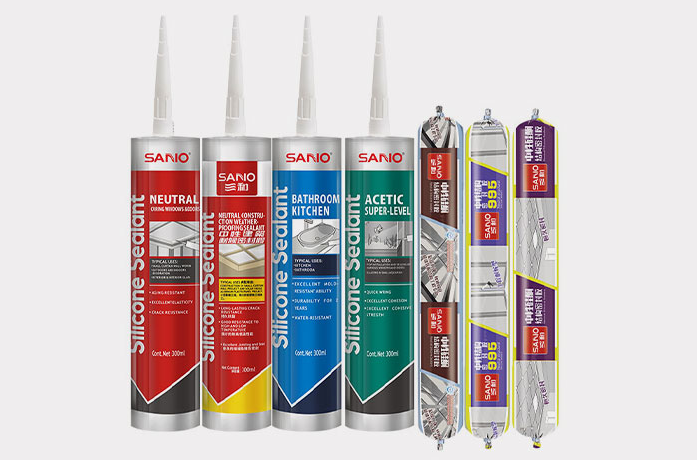
Silicone chemistry is sensitive. Confirm guaranteed shelf life at specified temperatures and acceptable storage conditions. Decide whether you need cartridges, sausages, or bulk drums and ensure their filling tolerances meet your production feeding system. Controls here prevent lot rejections on arrival.
Common mistakes that cost time and money
Buying on price alone. Accepting performance claims without substrate-specific adhesion tests. Ignoring packaging and storage limitations. Failing to confirm cross-compatibility with primers and sealants already used on the project. Each mistake forces rework or warranty exposure.
Alternatives and trade-offs to weigh
Polyurethane sealants trade UV resistance for paintability. MS polymers offer lower VOCs and faster skinning but differ in adhesion on glass. Decide which property is non-negotiable for your application, then eliminate options that miss that metric. When cost is the driver, require a pilot run with your substrates before approval.
Decision checklist you can use now
Require technical data sheets, one sample batch, adhesion tests on your substrates, shelf-life statement, lead-time guarantees, and a warranty clause. Score each supplier against those items. The highest score wins; technical fit beats lowest bid every time.
Wrap-up
Compare hard data, not promises. Match formulation, testing, and supply capacity to the job requirements. If you want a practical supplier that documents specs and supports trials on your substrates, consider the track record and lab capabilities of SANVO as part of your final comparison.