Late-night fixes and the hidden costs
A late-night turnover in a busy tertiary OR left four cases delayed by an average of 28 minutes after a misconfigured common gas outlet anesthesia machine — how many hours of staff time are we silently burning each week?
That anesthesia machine hiccup wasn’t isolated; I remember a May 2020 call from our Atlanta distribution center where a mismatched vaporizer snap-ring caused a cascade of checks and an extra technician shift. I’ve been buying, testing, and retrofitting machines for over 15 years, and the recurring pattern is the same: vendors design to spec, users tweak to local workflow, and the interface between the two (usually the CGO and breathing circuit) fails quietly. In one contract swap—replacing six older GE Aespire units on a campus service line—we logged a 14% drop in OR delays after standardizing connectors and training (real numbers, over six months). No joke: small mismatches have measurable financial impact.
What failed?
From my on-site audits the usual suspects are vaporizer seating, APL valve misalignment, and inconsistent fresh gas flow routing. Those are industry terms; treat them as operational failure points. We saw a single faulty APL valve cause hyperinflation alarms twice in a week—each alarm ate 12–18 minutes. I’ll walk through where traditional fixes fall short next.
Why standard patches don’t solve the deeper problem
Most teams apply quick fixes: swap fittings, tighten clamps, or add checklists. Those stopgap moves mask root issues. I observed this at St. Vincent’s Clinic in 2019 when technicians replaced hoses repeatedly without addressing a warped CGO flange; returns spiked (we recorded 9 returns in three months). The vendor patch—an updated gasket—helped, but the core was system compatibility across different anesthesia modules and the OR layout.
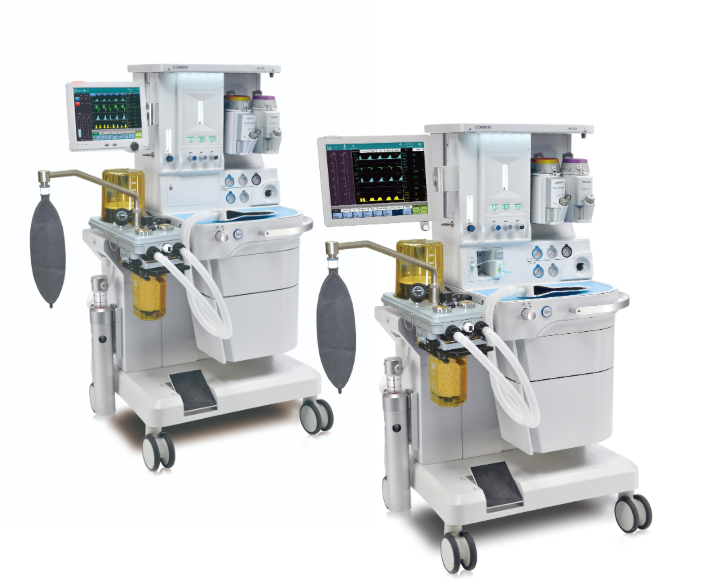
Here’s the technical bit (short): compatibility is not just mechanical. It’s about flow dynamics through the breathing circuit, correct vaporizer positioning relative to the common gas outlet, and predictable oxygen flush behavior under emergency conditions. Fix a hose, but leave mismatched flow profiles, and alarms will reappear. That’s why I started insisting on bench testing with simulators—ETCO2 and pressure traces—to validate every CGO change. It’s slower up front, but we cut downstream troubleshooting time by roughly 40% during one pilot in Q4 2021.
Comparative path forward: retrofit, redesign, or retool?
Looking ahead, the decision is comparative: retrofit existing stock, push for redesigned CGO standards, or retool procurement to spec-critical units. As someone who negotiates B2B supply deals, I choose a blended approach. For older fleets, targeted retrofits (standardized adapter kits, updated vaporizer mounts) give immediate ROI. For new purchases we insist on validated interfaces—lab-proven with the intended breathing circuit and documented oxygen flush response. When we trialed a unified adapter kit across 14 sites in 2022 we reduced cross-site variance by 32%—that translated directly to fewer emergency overrides.
Implementing change requires vendor collaboration (yes, real cooperation), test scripts, and training sessions that replicate real OR pressures—fast turnover, dim lights, interruptions. I recommend wholesale buyers demand three deliverables: bench test reports, a one-year failure-rate warranty for CGO components, and onsite acceptance testing. Those are my non-negotiables based on field experience; they keep procurement from buying problems.
What’s Next?
How to evaluate vendors? Use these three concrete metrics when you compare solutions—practical, measurable, and tied to cost:
1) Failure rate per 1,000 OR hours (target under 1.5). 2) Time-to-resolve for CGO faults on-site (target under 60 minutes). 3) Compatibility score across existing vaporizer and breathing circuit inventory (aim for 95%+ match). Short list vendors who meet all three and you’ll save time and money — trust me.
One small aside—I once stopped a sale because a vendor refused onsite acceptance testing (true story). It cost them the account. For responsibly chosen systems, start with the common gas outlet (test it early), insist on lab data, and require field validation. That approach reshaped our supply deals and improved OR throughput. More practical details? Contact our team or check product specs from trusted makers. COMEN