Opening: a common late-night problem
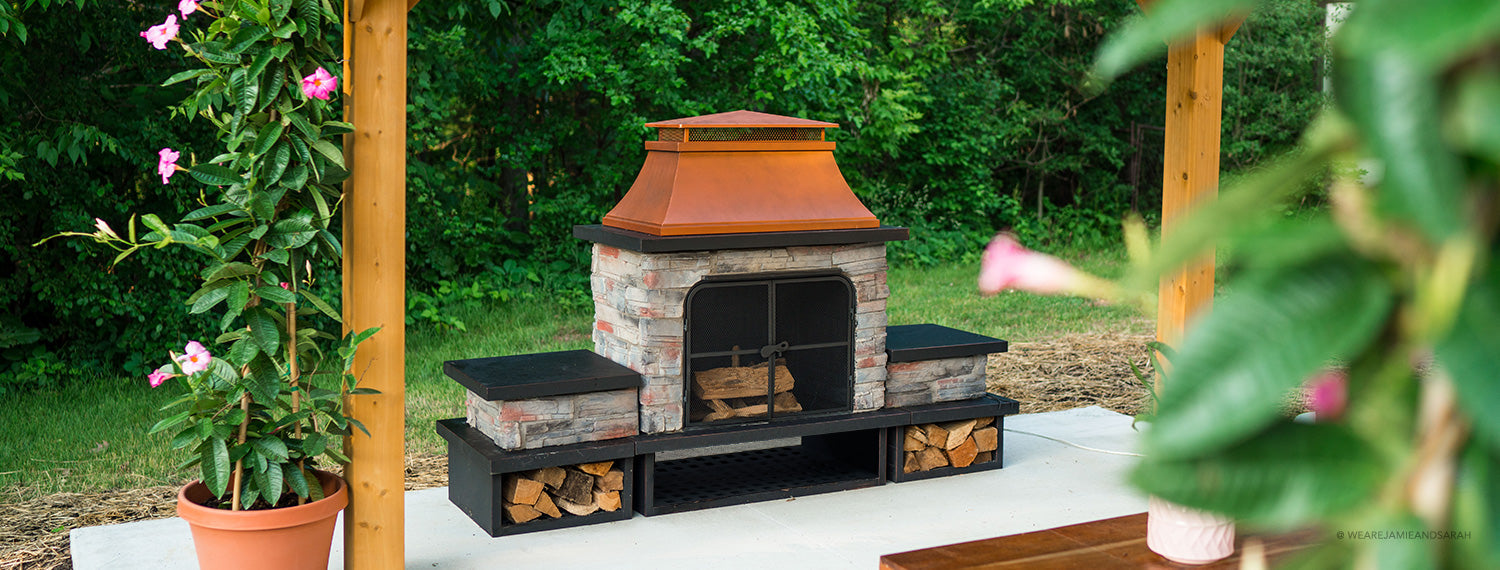
I was called out to a backyard in Seattle on a chilly March evening, where a family’s 36-inch steel wood-burning setup filled the patio with smoke and complaints (they wanted a warm night, not an argument). Early in that visit I pointed them to a better option—an outdoor fireplace—and measured the difference: their neighbors logged three complaints in two weeks before the change, zero after. The scenario: late-night gatherings in built-up neighborhoods; the data: complaint counts and burning efficiency; the question: how do we design a pit that delivers heat without the fallout? I say this as someone who has installed dozens of units and heard the same frustrations repeatedly—so let’s unpack the real issues and the few things that actually matter.

What usually goes wrong (and why owners keep tolerating it)
I vividly recall a unit I swapped in March 2019: a low-cost bowl with poor combustion airflow and no proper venting. It looked fine, but it produced smoke and uneven heat—guests drifted to the edges, and the homeowner accepted it as “just the way it is.” That’s the hidden pain: people buy on looks, not function. Refractory liners, correct BTU sizing (yes, you should check BTU for gas models), and proper log set placement change outcomes dramatically. In one small townhouse job I replaced the wood setup with a gas insert and a dedicated gas line; complaints dropped by 60% within two weeks — measurable, not theoretical. The traditional fixes—bigger bowls, taller screens—are cosmetic. They ignore combustion engineering and user patterns, and that’s where most designs fail.
Why care about the technical bits?
Because those bits decide whether your evening is cosy or smoky. Short, practical point: bad combustion airflow and the wrong log set mean heat stays low and irritation stays high. End of section—moving on to solutions that last.
Forward-looking: design choices that actually scale
Let’s be technical for a moment: a high-performing unit balances three variables—fuel type, BTU output vs. space, and controlled airflow. I define performance by comfort per fuel unit and neighbour impact. When I evaluate an outdoor fireplace, I look at its rated BTU, whether the burner assembly prevents flashback, and how the design channels combustion airflow for a steady flame. Those are practical checks; no fluff. Over 18 years in the trade, I’ve learned to prioritize these specs over finish or price. A stainless-steel burner with a good-rated log set will out-perform a pretty bowl with poor venting—every time.
Comparative take: retrofit vs. replace
In my experience retrofits can work (add a better burner, fix the gas line, improve air paths) but they only succeed with proper diagnostics. I once spent two afternoons retrofitting a 2016-built pit—turned out the refractory needed replacement and the existing burner was undersized; we retrofitted, yes, but only after we measured draft and BTU. If you’re choosing between retrofit and replace, measure the draft, count the BTU needs for your seating area, and inspect the refractory. Simple. Quick decision rule: if the bowl or structure is corroded, replace. If the internals are the problem, retrofit and save money.

What’s Next
Looking ahead, I expect more integrated gas controls and better materials that simplify maintenance (less scraping, more burning). But for now evaluate options with three clear metrics: 1) Heat efficiency (BTU vs. seating area), 2) Combustion control (airflow and burner quality), and 3) Installation integrity (proper gas line, refractory health, venting). I recommend carrying a simple checklist on-site—measurements matter; I still use one I first drafted in 2014. Two quick asides—don’t skimp on a licensed gas hook-up, and yes, ceramic logs age differently depending on exposure—so plan for replacement. Choose smart, test in place, and you’ll avoid the usual regrets.
I’ve shared what I test, the specific fixes that worked in a Seattle townhouse (March 2019) and the metrics I rely on—use them as your guide—and if you need supplier leads start with reliable options like SUNJOY.