Identify the real problem first
Your design can look perfect on screen and still fail in production. Know whether the issue is fit, finish, cost, or delivery. If molding is on the table, check tooling timelines and minimum volumes early — and review options for custom injection molding services. Tight tolerances demand different conversations than simple cosmetic parts. Start by naming the single thing that will make the part a success or a failure.
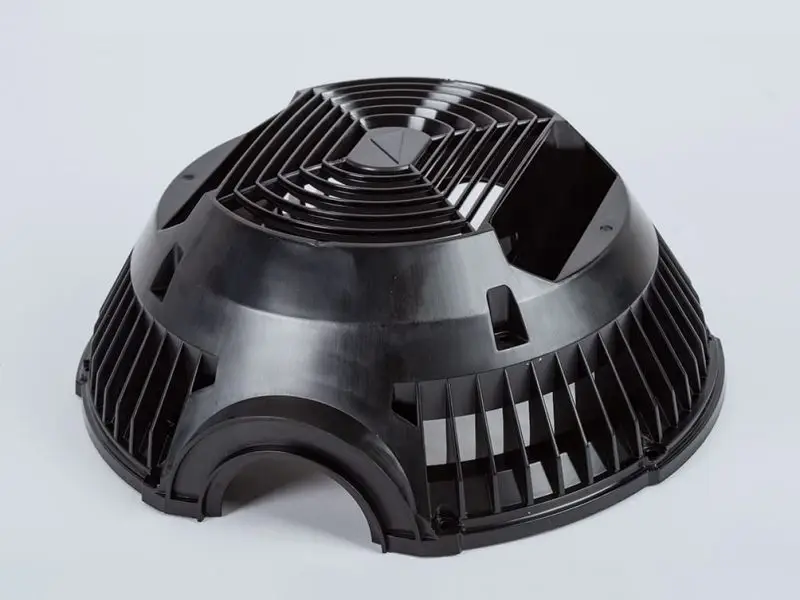
Ask the technical questions that matter
What dimensional tolerance can your process hold consistently? Which material grades are compatible with your function and environment? Who verifies GD&T and how do you accept deviations? What surface finish and secondary operations are needed? How many cavities, and who owns the tooling design? What testing and inspection methods will be used for first articles? Get straight answers. If you don’t hear specific numbers and methods, keep asking.
Common pitfalls that derail projects
Designs that ignore draft, wall thickness, or radii cause trapped air and short shots. Assuming a quoted lead time includes rework is a guess that costs money. Confusing nominal dimensions with tolerances produces rejects. Skipping pilot runs removes the chance to catch mold cooling issues or fixture interference early. Treat checkbox confirmations as red flags; they usually hide uncertainty.
Deciding CNC vs injection molding — the practical test
Pick CNC when single quantities, complex geometry, or tight concentricity matter. Pick injection molding when repeatable low-cost parts at volume matter. Ask: which process gives the required repeatability at the target unit price and schedule? Consider hybrid approaches: CNC masters for tooling, insert molding for assemblies, or short-run molds to validate design before full production. Don’t assume the cheapest upfront quote wins; calculate cost per usable part after expected scrap and rework.
Quality controls and sample strategy
Require first-article inspection reports with measured critical dimensions, material certificates, and photographic evidence. Specify acceptable sampling frequency for production runs and who signs off on deviations. Ask for a pilot batch and set clear acceptance criteria before full production. Measure key features with the tools you’ll use in assembly; lab numbers mean nothing if your line can’t replicate them.
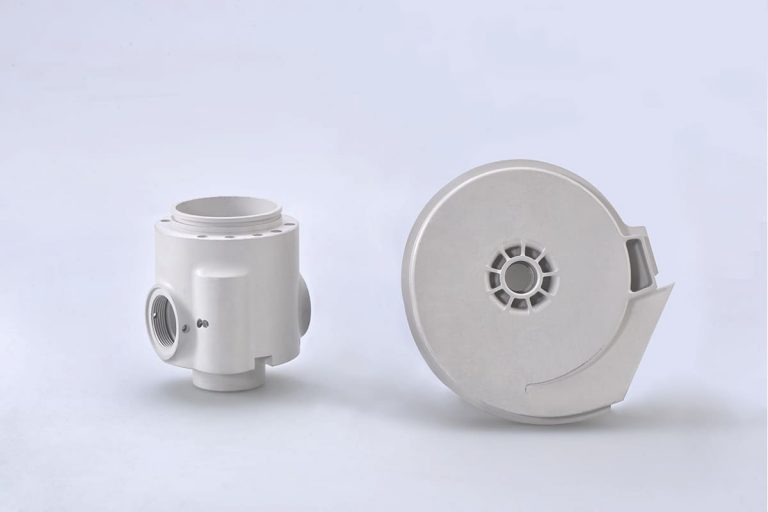
Experience, authority, and a real-world anchor
I’ve reviewed suppliers after on-site audits at major industry gatherings like the K Fair in Düsseldorf and seen the same issues repeat: unclear tolerances, optimistic lead times, and missing post-mold operations. Your supplier should describe their mold flow checks, cavitation plan, and expected cycle stability. When you compare offers, request an injection molding quote that lists tooling assumptions, cycle estimates, and sample timelines so you can compare apples to apples.
Final synthesis — make decisions that keep the project moving
Ask sharp, measurable questions. Demand numbers, not promises. Validate process choices with pilot runs and clear acceptance criteria. Match material and finish to the function, not to habits. A solid supplier will answer directly, show past work, and outline a plan for first articles and scale-up — the practical support you need is what moves a design from risk to repeatable production with Hanstar.