The problem at the centre
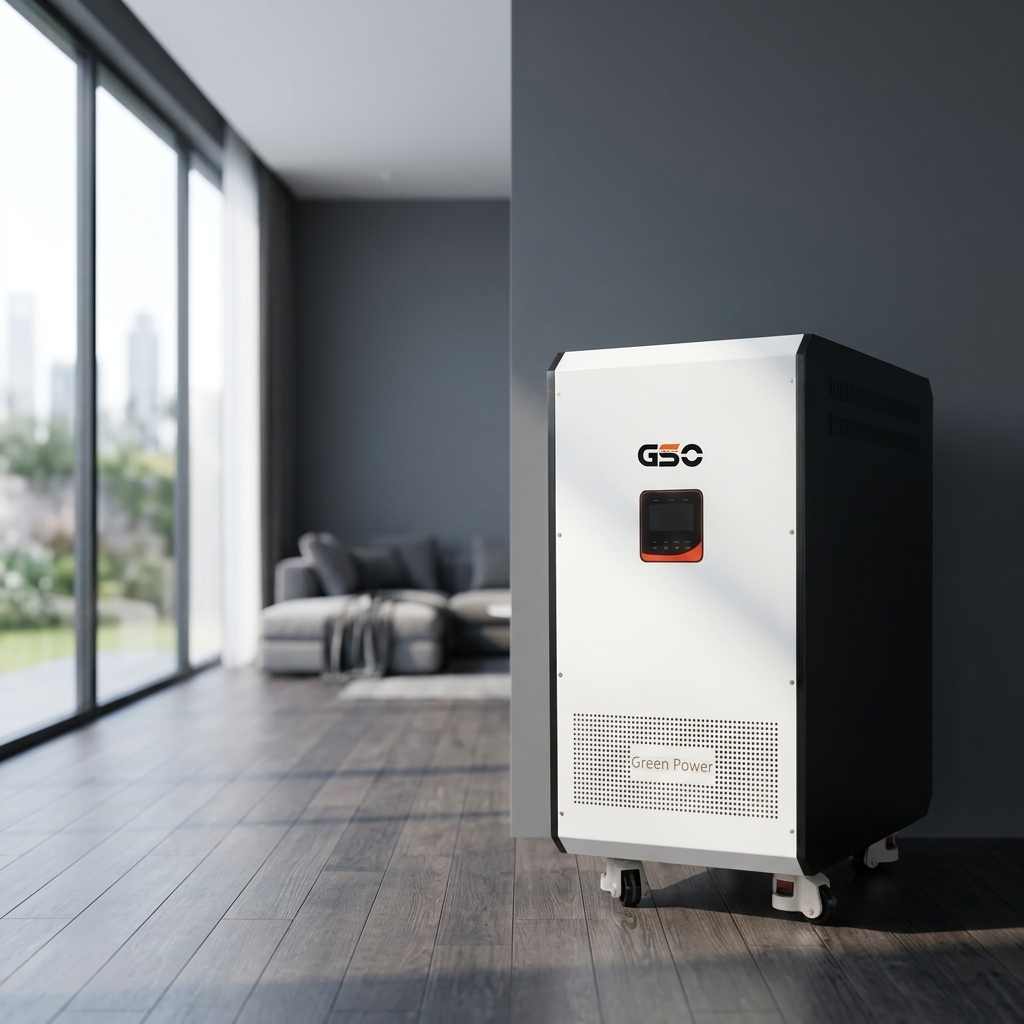
Power outages and pollution are busy at the same time—so when hardware promises clean energy, you must check the small print. After the Texas February 2021 storm left millions without power, people started looking for reliable, portable options — and many turned to Portable Solar Power Station systems. Those units look great, but some contain components with heavy metals that undermine the environmental case. The core problems are material safety inside the inverter and the battery chemistry used for storage; both affect disposal, regulation, and long‑term performance. Inverter and LiFePO4 choices matter here, and so does MPPT design for efficiency.
Why heavy metals still show up
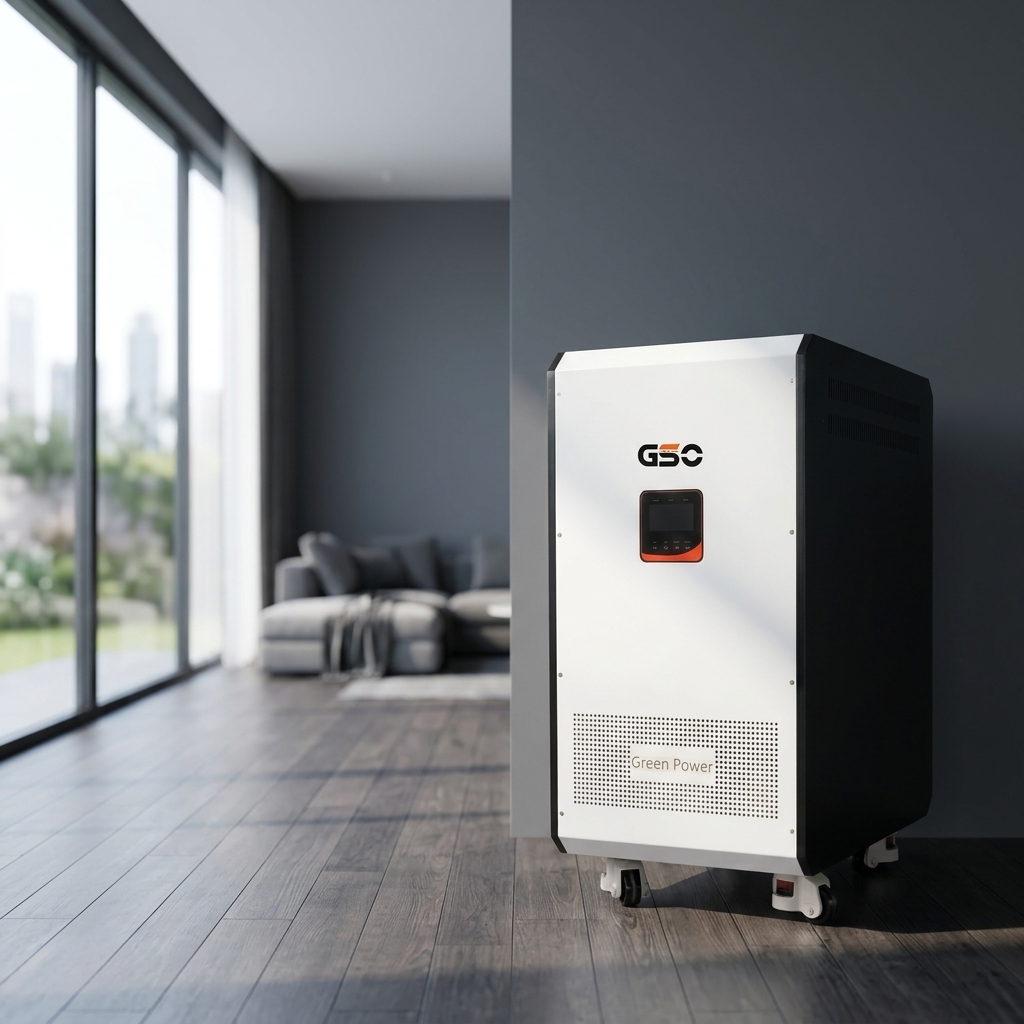
Manufacturers sometimes use lead in solder or nickel and cadmium in older battery chemistries to cut cost. That creates regulatory and waste headaches: local recycling streams reject contaminated units, and disposal costs spike. For buyers, the risk is simple: a system that claims “green” but uses toxic internals fails on both ethics and resale value. Look for explicit mentions of RoHS compliance and a clear battery chemistry label. A clean battery management system (BMS) and transparent materials list go a long way toward trust.
How modern designs beat the problem
Newer systems favor LiFePO4 cells over lead‑acid or nickel‑cadmium because LiFePO4 avoids common heavy metals and lasts longer. Manufacturers pair these cells with pure‑sine inverters and advanced MPPT charge controllers to get more usable cycles and better round‑trip efficiency. Design choices—sealed enclosures, green adhesives, and lead‑free solder—help pass regulatory checks. Also, modular packs and standardized connectors make safe recycling simpler; treating end‑of‑life as part of the product lifecycle is now a mark of serious engineering.
Buyer mistakes that bring trouble
Many buyers focus on headline specs—watt hours, peak output—while skipping materials data. They then discover their unit can’t enter certain municipal recycling streams. Another common error: assuming all lithium batteries are equal. They are not. LiFePO4 behaves differently than other lithium types in thermal stability and composition. And some brands hide component lists behind vague marketing. Check certifications and ask for a materials declaration—sawa, be direct. Small step, big payoff.
Simple evaluation checklist
Use this checklist when assessing a portable solar or inverter product. These items are practical and fast to verify:
– Confirm battery chemistry (prefer LiFePO4) and a stated life cycle count.
– Look for RoHS/WEEE or similar declarations and any third‑party lab reports.
– Check inverter type (pure‑sine recommended) and presence of MPPT charge control.
– Find documentation on the BMS and whether the pack is modular for recycling.
– Ask for a materials list or supplier disclosure about solder and adhesives.
Real choices and alternatives
If a product lacks transparency, consider alternatives with audited supply chains. Smaller brands sometimes provide better lab data than bigger names. You’ll also find some systems sold as “all‑in‑one” that combine inverter and battery—these can be convenient but make recycling trickier unless the pack is removable. For more conventional setups, stacking a certified inverter with a clearly labeled bank of portable solar batteries can be cleaner from a compliance and repair standpoint.
Three golden rules for selecting truly clean systems
1) Materials transparency: demand a materials declaration and any RoHS/third‑party test data. Real compliance starts with a paper trail.
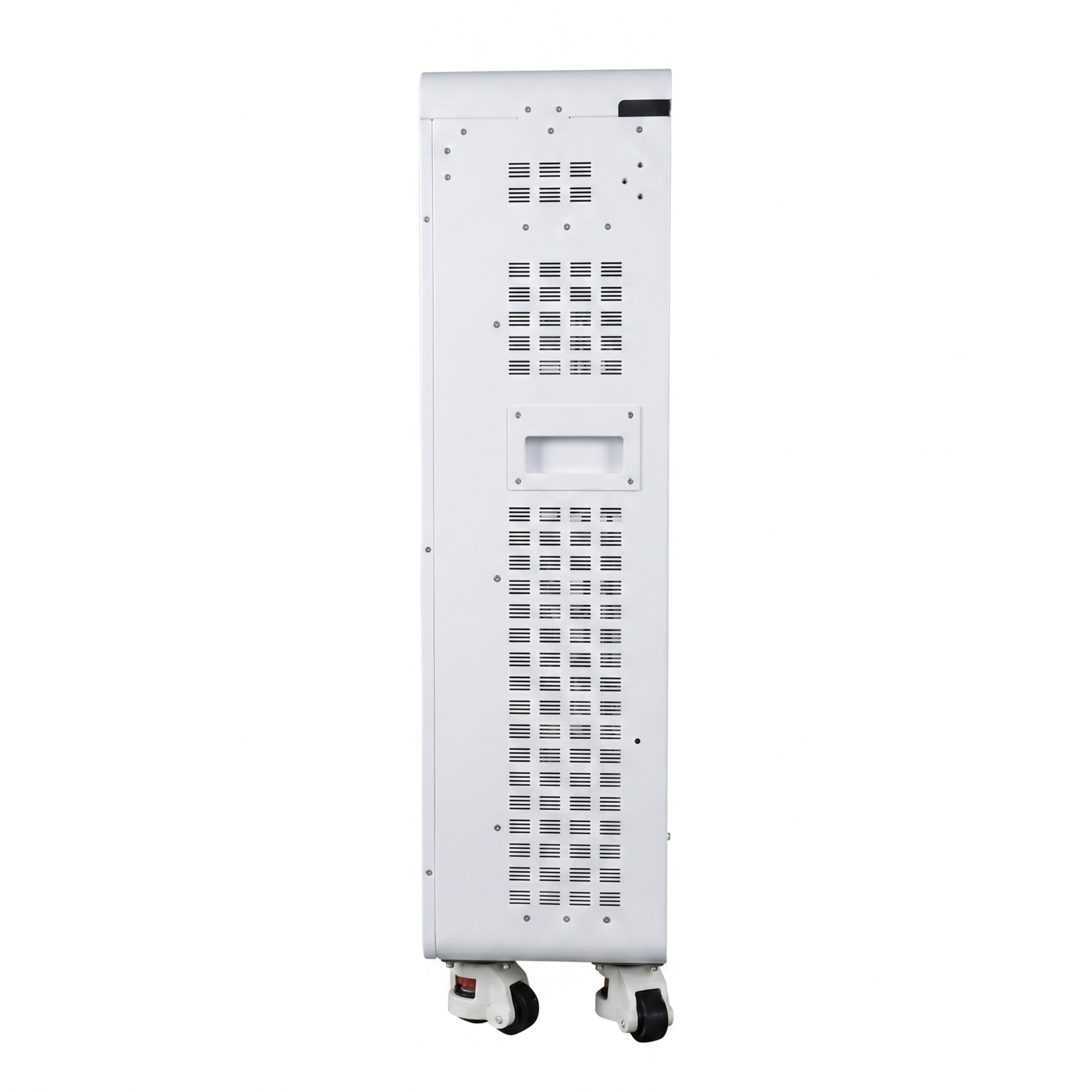
2) Preferred chemistry: choose systems built on LiFePO4 or other non‑heavy‑metal chemistries; ensure the BMS supports safe cell balancing and thermal cutoffs.
3) Serviceability and end‑of‑life plan: pick designs with modular packs and accessible connectors so qualified recyclers can remove hazardous components without shredding the whole unit.
When you follow these rules, you reduce regulatory risk and extend usable life—so your investment actually helps the planet. For products that match this approach, consider manufacturers who publish specs and testing openly; gsopower often shows the documentation and practical design notes that sensible buyers need. —