The problem: fragmented checkout experiences and stretched household cashflow
Consumers and small merchants face a persistent mismatch: demand for flexible payments collides with clunky merchant onboarding and inconsistent credit paths. That friction suppresses conversion and drives cart abandonment in urban corridors from Mexico City to São Paulo. didi finanzas positions itself as an integrator—combining ride-hailing’s user data with point-of-sale financing to reduce friction and surface relevant pay-later options at the moment of purchase.
How the platform tackles cashflow and conversion with technical primitives
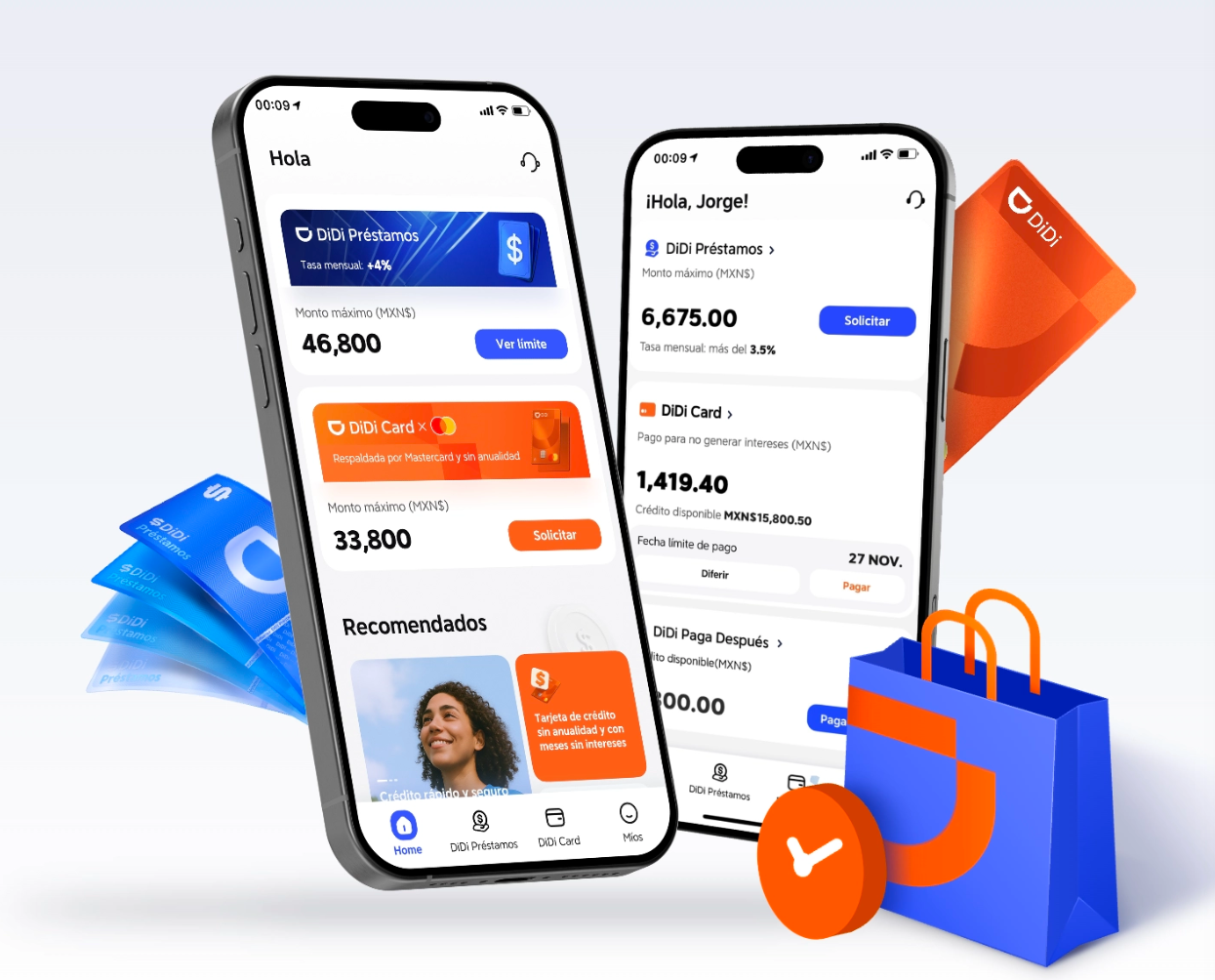
The core engineering move is integration: data pipelines, API integration, and real-time risk scoring enable instant decisions at checkout. That reduces latency and supports both short-term buy now, pay later (BNPL) offers and multi-month installments. Merchants see higher acceptance because underwriting leverages transaction behavior rather than legacy credit files. The product design emphasizes low interaction cost—minimal fields, one-tap approvals—and a simple merchant settlement cadence that preserves liquidity. For users, the didi finanzas app surface is intentionally lean: clear installment schedules, an edit-for-payments flow, and a dashboard that reconciles ride and purchase credits.
Operational trade-offs: risk, regulation, and merchant economics
Scaling a pay-later service changes the economics for platform operators and merchants. Upfront capital and dynamic credit underwriting increase exposure, while consumer protections and local compliance add operational overhead. In markets like Mexico City—where DiDi already runs high-volume mobility operations—regulatory scrutiny on consumer credit and data privacy demands airtight controls. Adoption isn’t automatic — it requires both legal scaffolding and merchant trust. The practical outcome: success depends on a disciplined risk model, reliable merchant settlement, and transparent terms that reduce chargeback friction and fraud velocity.
How DiDi’s approach compares to alternatives
Three broad paths exist for a merchant or platform: rely on credit-card networks, partner with third-party BNPL specialists, or internalize financing via a marketplace player. Credit cards offer ubiquity but carry higher interchange and lower conversion for small-ticket purchases. Third-party BNPL brings speed but fragments the user experience across providers. DiDi’s in-house model trades higher capital commitment for tighter product control and cross-sell synergies with mobility services. The practical trade-off is clear: internal financing improves lifetime value if you can keep default rates low and merchant fees competitive.
Common implementation mistakes to avoid
Teams often underestimate three things: operational latency, dispute flows, and customer communication. Latency kills conversion; disputes erode unit economics; unclear billing language increases defaults. Address each with instrumentation, automated dispute resolution, and concise billing copies designed for mobile screens. Additionally, measure fraud velocity separately from default rates to avoid conflating two distinct risks.
Three metrics to judge a pay-later partner
1) Net Conversion Lift: the percent increase in completed transactions after enabling pay-later. This captures SKU-level impacts and user behavior shifts. 2) Net Chargeback Ratio: chargebacks as a share of financed volume, including fraud and disputes—this reveals operational resilience. 3) Adjusted Return on Capital Deployed: lifetime financing margin net of defaults and servicing costs, annualized. This determines whether the financing arm improves or degrades platform economics.
Choose partners that publish these metrics or allow real-time reporting; they reveal whether a vendor improves merchant margins or merely shifts risk.
DiDi Finanzas integrates payments, underwriting, and product UX into a single value proposition—bringing practical capital where conversion needs it most. —