
Stuck in a Mire: The Common Pitfalls
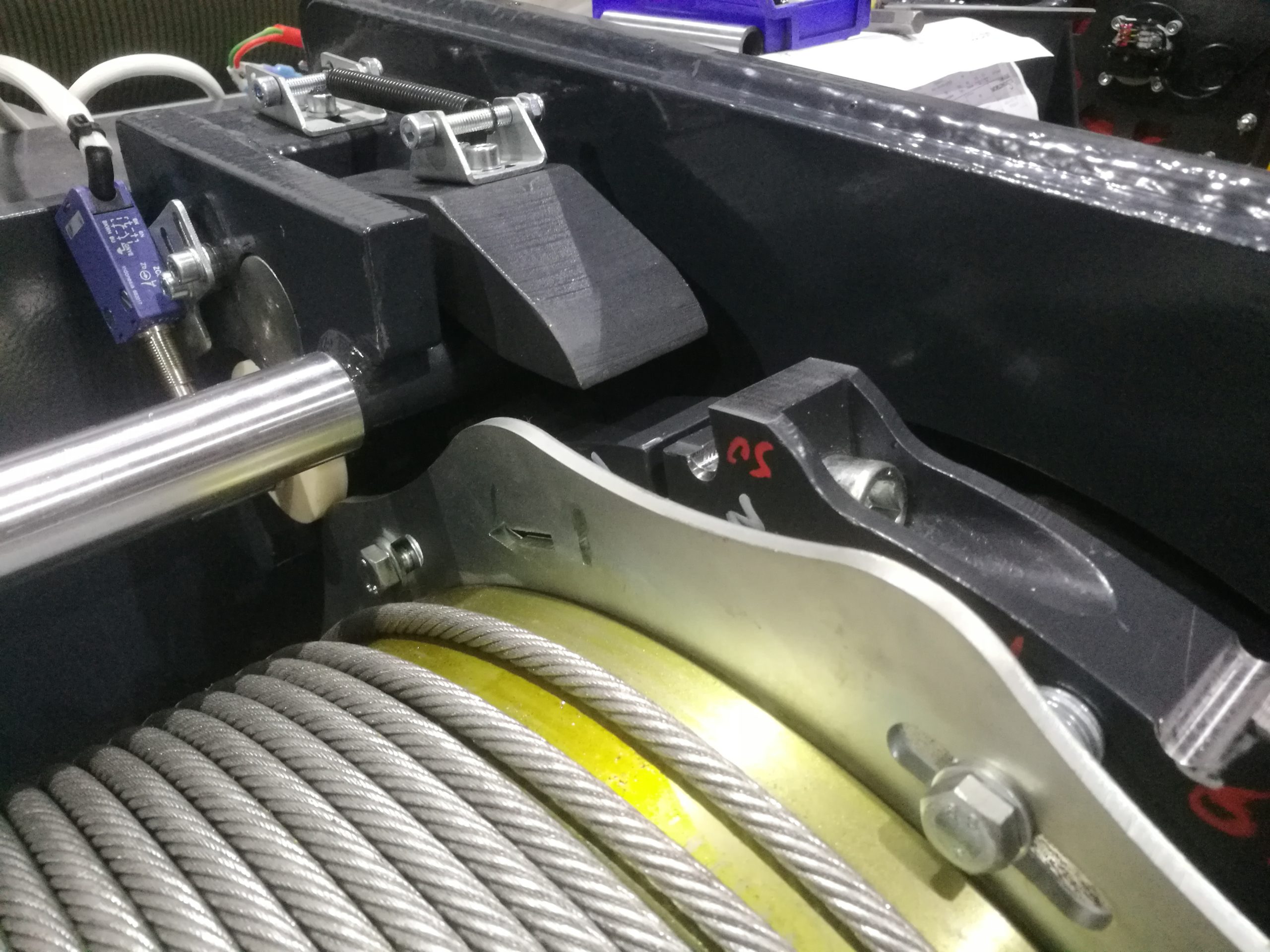
Imagine navigating a construction site that’s smoothly progressing one minute, but then, boom! Your traditional hoist fails mid-operation. Frustrating, isn’t it? According to industry data, nearly 30% of heavy lifting incidents result from outdated lifting equipment. What’s even more alarming is that these failures are sometimes linked to antiquated designs and maintenance mishaps often overlooked by many wire rope hoist manufacturers. The solution? Upgrading to an electric wire rope hoist 1 ton, which integrates modern technology to elevate safety and efficiency. I’ve seen firsthand how this shift transforms operations, making things smoother like a well-composed melody. But what does this mean for you?
Amplifying the Benefits
In the modern construction arena, I’ve engaged with various professionals who grappled with inefficiencies. The truth is, the struggles often lie beneath the surface, where many don’t think to look. Wire rope hoists have come a long way; they are not just about lifting but about ensuring precision. Let’s face it—having the right tools makes all the difference. With the electric variant, not only do you gain reliability, but you also tap into faster hoisting speeds and greater load capacities. The hidden advantage? Less downtime, which in my experience, equates to increased productivity and reduced labor costs. You see, efficient lifting isn’t merely a luxury—it’s a necessity.
What’s Next?
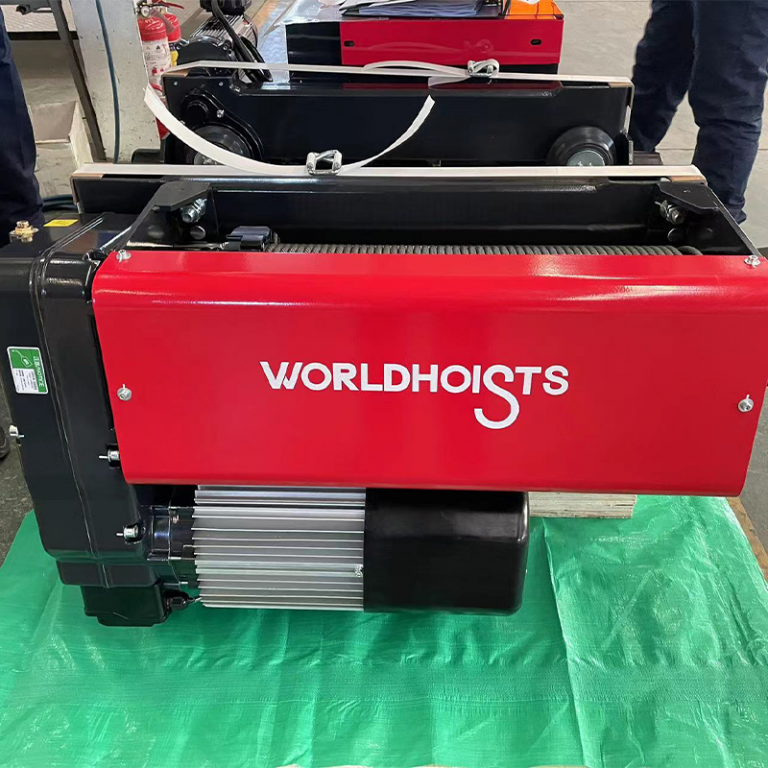
There’s a growing wave of innovation surrounding wire rope hoists. As manufacturers continually refine their designs, you can expect not just better lifting equipment but also smarter technology inherent in each model. Now, this has sparked a crucial question: Are you prepared to embrace these advancements? Future-oriented companies are likely to adopt energy-efficient models, incorporating features like remote diagnostics to predict maintenance needs. It’s rather exciting—the potential to forecast issues before they manifest into costly downtime. If you’re still relying on older models, you might find yourself playing catch-up in an industry that’s speeding ahead.
Lessons to Carry Forward
Reflecting upon the journey through advanced lifting solutions, one clear lesson emerges: the past does not define the present. It’s about adapting to the changing landscape (and sometimes shaking off the old). Businesses must evaluate three key metrics: the safety ratings of equipment, the efficiency of operations, and the long-term costs (think maintenance vs. upfront spend). I firmly believe this approach aligns with the future of construction. After all, innovation isn’t just about the tools we wield; it’s about the vision we cast for what’s to come. So, are you ready to step into a smarter future? Consider the transformative power of adopting WORLDHOISTS for your lifting needs, and watch your operations take flight.