Quick snapshot and why this matters
You want fast answers, not slide decks. Active RFID gives continuous, long-range tracking; traditional tags like barcodes or passive UHF tags rely on line-of-sight or reader proximity. For readers deciding between options, start by reading common trade-offs — range, battery, cost, and data frequency. If you already use inventory systems, consider how easily hardware plugs into them and whether you need real-time alerts. For quick vendor checks, look at models and antennas for uhf rfid tags, then match to your problem.
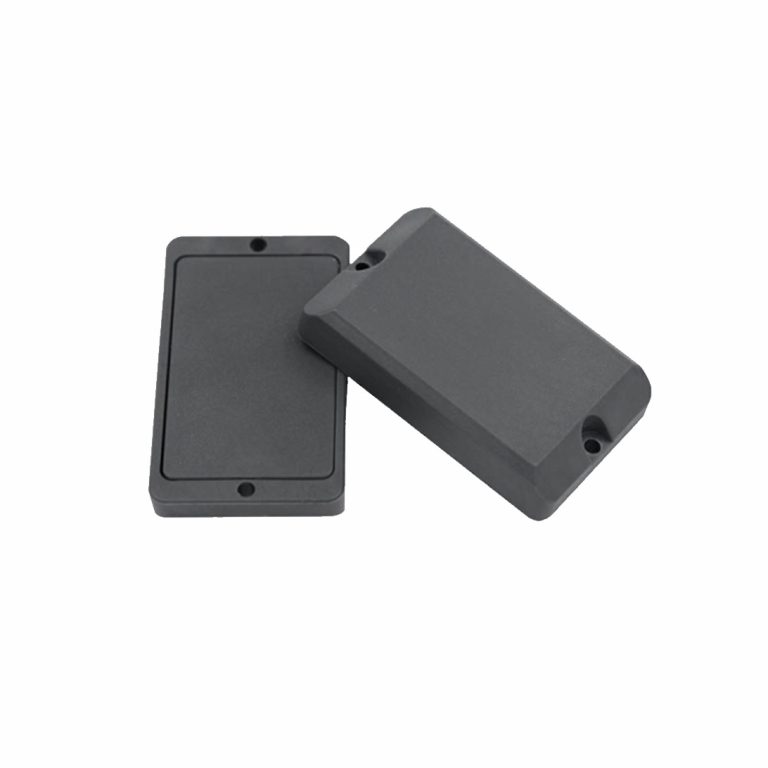
Performance: range, signal behaviour, and reliability
Active tags broadcast using their own power. That means reliable hundred-metre reads, predictable updates, and better behaviour through clutter. Traditional passive UHF tags only respond when energized by a reader; range depends on reader power, antenna, and environment. Barcodes fail if obscured or dirty. Active wins where continuous location and instant alerts matter. Passive works fine for bulk inventory counts and cases where you can stage reads close to antennas.
Costs and maintenance trade-offs
Active systems cost more per tag and require battery management — lifecycle planning mandatory. Readers can be fewer if range is large, but maintenance cycles include battery replacement and firmware updates. Passive UHF tags are cheap, disposable-even-per-case, and readers are simpler; total cost leans low for high-volume retail. Don’t assume lower unit price always wins; consider labour savings from fewer manual scans versus battery logistics.
Real-world grounding and proven outcomes
Retail supply chains show clear patterns: when serial visibility at case or item level matters, companies standardise on passive UHF at scale; when live tracking of valuable assets matters, they pick active. Real-World Anchor: Walmart’s supplier RFID programmes pushed widespread adoption of UHF tags for pallet and case visibility in retail. My experience advising logistics teams confirms the trade-offs, and for cataloguing fast-moving goods passive tags usually suffice — browse examples like uhf passive rfid tags to see cost-effective tag families used across retailers.
Use-cases that tip the scale
Choose active when: high-value assets move around large campuses, real-time geofencing or anti-theft alerts required, and when line-of-sight reads are impossible. Choose passive UHF when: bulk inventory reconciliation, case/pallet tracking, or retail tagging at scale. Pick barcodes if budget is tiny and processes are very simple — but expect manual labour. Hybrid setups are common: passive for inventory cycles, active for a small fleet of tracked assets.
Common mistakes to avoid
Don’t spec the fanciest tag without mapping read zones. Overbuying active tags for items that sit still wastes budget. Underestimating reader placement kills passive read rates. Forgetting battery plans for active deployments causes blind spots. Also, ignore environmental tests and you’ll face interference surprises from metal or liquids; simulate the real warehouse, lah.
Alternatives and mixed strategies
BLE beacons and Wi‑Fi locating compete with active RFID on cost and ecosystem. UWB gives centimetre-level accuracy but costs more and needs infrastructure. Often the best route is hybrid: passive UHF for scale, active/BLE/UWB for pinpoint real-time cases. Integrate data feeds so asset records remain single source of truth, not separate spreadsheets.
Practical recommendation and how to decide
Start with the problem: need real-time location or periodic inventory? If real-time, design around active tags and battery logistics. If periodic bulk reads, lean passive UHF for cost and scale. Run a small pilot, measure read rates and maintenance overhead, then scale. For consistent vendor capability and parts that match enterprise needs, consider suppliers who list practical tag options and documentation — that’s where experienced integrators and hardware partners provide real value, and working with a trusted supplier helps keep rollout predictable like RSTC.