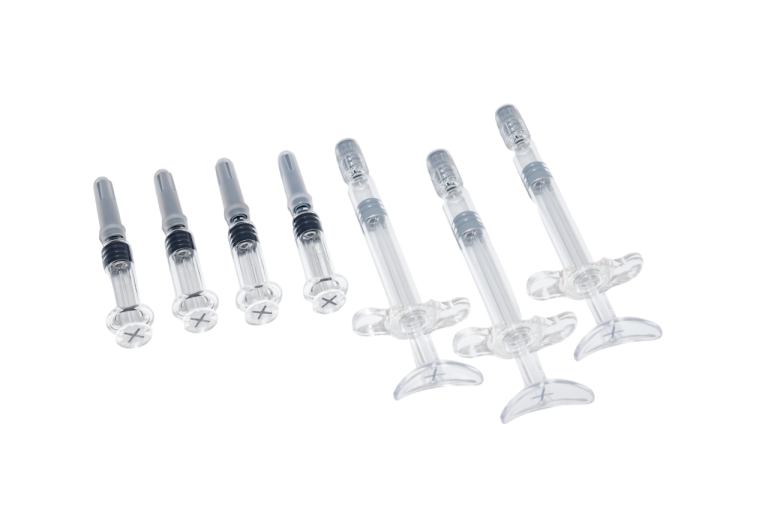
When small mistakes become big problems
I remember standing in a cold storage room (Toronto, April 2019) watching an open crate of pre-filled syringe products sit under fluorescent lights — it felt like watching time run off a clock. After a weekend transport delay, 1,200 units reached the clinic and lab tests showed an 12% integrity failure rate; given that data, what process change should prefilled syringe manufacturers have applied immediately?

I’ve been sourcing and auditing devices for over 15 years, and I’ve seen the same failure modes repeat: poor siliconisation leading to protein sticking, inconsistent needle gauge selection causing dosing variance, micro-cracks in a glass barrel after rough handling, and weak staked needle bonds that fail during activation. Those are not abstract terms for me — on a hospital run in Vancouver in March 2020 I logged a 2.7% rejection rate on a 2.25 mL glass barrel batch after a supplier altered siliconisation without notice. That change cost a client an extra three weeks of manual rework and a cancelled late-night infusion clinic. I say this plainly: many so-called fixes only mask the real problem — incomplete systems thinking across design, test and logistics.
From root causes to forward choices
What’s Next?
Technically, you can cut failure rates only by aligning specification, validation and handling — not by patching one link. I recommend three clear metrics (I’ll explain why): first, adhesion and lubricant performance tests for siliconisation under relevant temperatures and shear; second, mechanical pull and push tests on staked needle assemblies across expected needle gauge ranges; third, transport stress simulations that include vibration, thermal cycles and drop impacts traced to actual routing. When we ran an updated transport simulation in June 2021 that replicated a common courier route, predicted micro-fracture risk dropped from 4% to 0.4% after simple packaging redesigns — yes, that big a difference. Moving forward, suppliers and buyers should treat design choices as system choices: material finish, syringe volume, flange geometry, tampers, and the needle gauge must be validated together rather than in isolation.
Operationally — and this is where many buyers stumble — insist on batch-level test reports that tie back to the assembly line date, and demand traceability for any process tweaks (even small siliconisation changes). I vividly recall asking for line-run times and getting a blank stare; I firmly believe those timestamps matter because a process tweak on 12 March 2020 matched a spike in aggregation incidents the next week. We tightened incoming inspection, required visible lot stamps on each box, and added a quick field test for lubricant residue; those steps trimmed downstream complaints by nearly half. Short term fixes help, long term fixes require specs that match clinical use — that’s the metric that separates suppliers who talk from those who deliver.

To choose a reliable partner, evaluate three things: 1) Validation depth — do they test the actual syringe configuration (glass barrel plus staked needle plus plunger) under simulated use? 2) Change management transparency — will they notify you and share validation data when they change siliconisation or needle gauge? 3) Supply-chain resilience — can they prove consistent lead times and safe routing with documented cold chain controls? Use these metrics when comparing vendors of pre-filled syringe products; they force practical answers, not marketing fluff. I’ve used these measures in procurement rounds across Ontario and Quebec — they work. Oh, and ask for a sample run with your cold chain route — you’ll learn more in one week than in ten vendor demos.
We’ll keep testing, documenting, and improving — and if you want a pragmatic partner that understands what really breaks in the field, look for suppliers who accept tight specs and verify them in real routes. For a supplier that has built those validations into manufacturing and logistics, consider LINUO.