Introduction
Picture this: you’re cutting a custom sign at midnight, sparks flying, the smell creeping into your nose — and your crew’s coughing by morning. I’ve seen this exact scene in small shops (and yeah, I’ve been the one staying late to mop up smoke). Recent studies say laser cutting can pump out nanoparticles and volatile organic compounds at levels that matter — like measurable ppm and visible smoke plumes in minutes. So where does a laser fume extractor fit into that mess, and how do we make sense of the tech without getting ripped off?
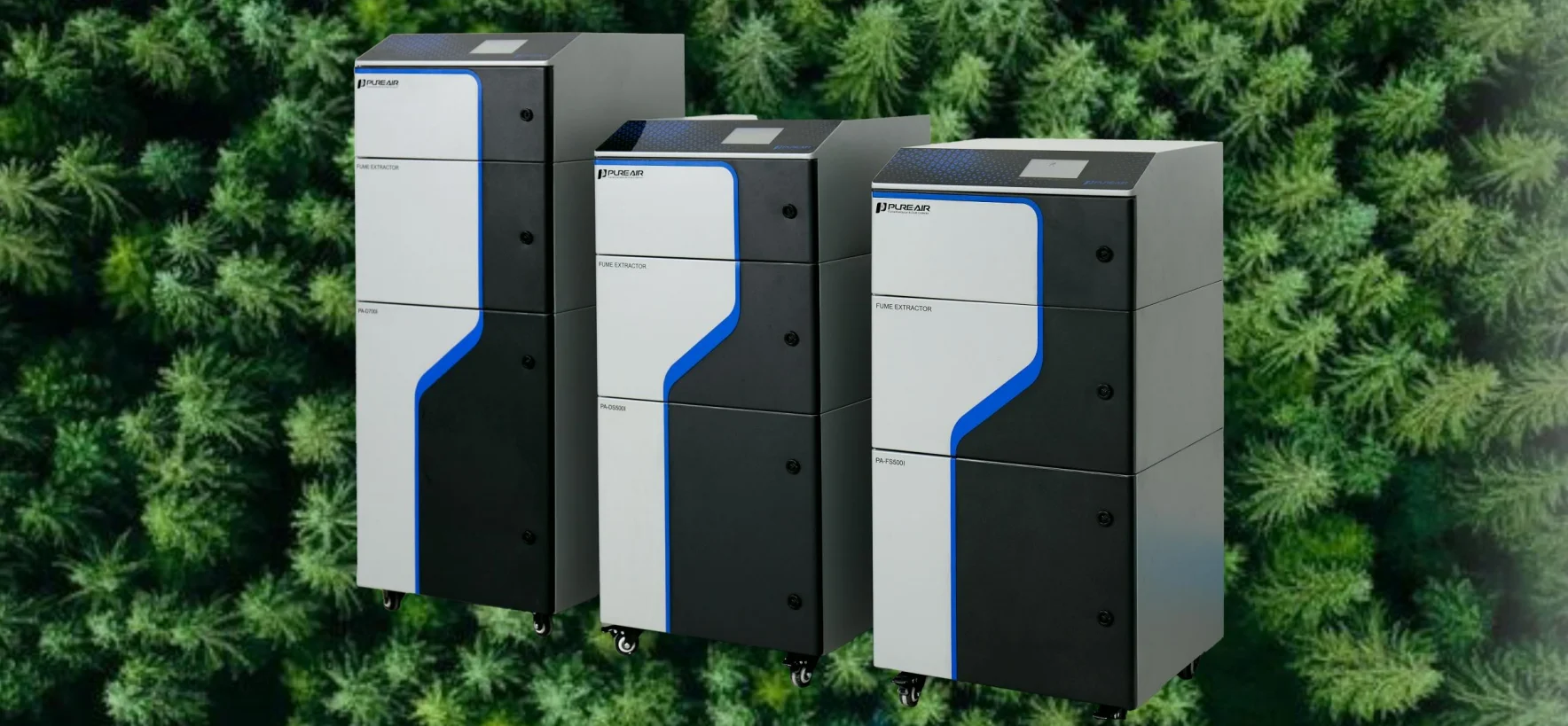
We’ll break it down — real talk, no fluff — and move from what usually fails to what actually helps next. Stick with me; next up I’ll dig into why the old fixes often fall short.
Why Traditional Setups Miss the Mark
When shops try to solve this on the cheap, they often reach for generic filters or ducting that sounds right but doesn’t do the job. I want to call out the usual suspect: the salvage-job air cleaner that lacks proper capture velocity and ends up recirculating smoke. For more robust options, folks should look at a legit laser machine dust collector — that’s the category that combines capture hoods, pleated HEPA filter stages, and activated carbon beds in real systems.
Most traditional approaches stumble on two fronts: insufficient capture (bad hood design, low airflow) and poor filtration strategy (single-stage filters, no carbon adsorbent). The blower motor might spin fine, but if the hood placement and static pressure aren’t matched, you lose capture efficiency. Look, it’s simpler than you think: you need matched airflow, proper filter media, and routine maintenance. Without those, you’re just masking the smoke — not removing particulates or VOCs.
What’s the root cause?
Mostly a mismatch: engineers design blowers to move air, but they forget real-world things like backpressure from pleated filters, degradation of filter media over time, and the chemistry of VOC adsorption. Terms you’ll bump into here: HEPA filter, activated carbon, static pressure, airflow. These aren’t buzzwords — they’re the levers that decide whether a system actually cleans the air.
Looking Forward: New Principles and Practical Choices
Okay — now for the forward view. I want to talk about principles that matter as you shop or upgrade: capture-first design, staged filtration, and smart maintenance (predictive alerts, not just calendar reminders). Newer systems tune hood geometry to the laser head, use a pre-filter + HEPA + activated carbon stack, and monitor differential pressure across filter media so you know when performance drops. That matters because sensor-driven systems keep capture velocity steady and extend filter life — you save time and money in the long run.
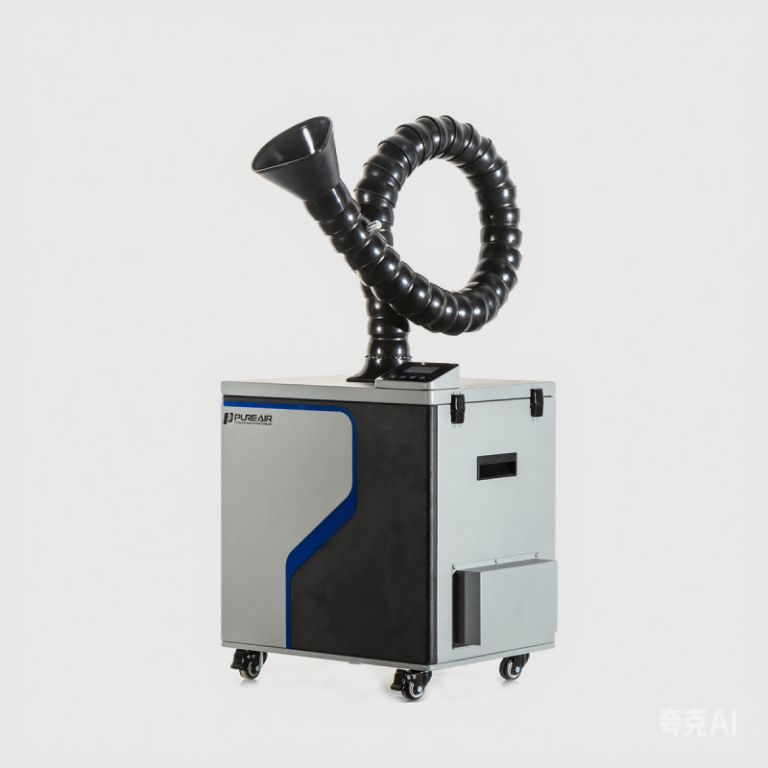
For actual products, a modern laser machine dust collector will mix a variable-speed blower, multi-stage cartridges, and sometimes onboard sensors that report ppm or differential pressure. I’ve tested units where an onboard controller reduced fan speed by 30% when load dropped — nice for noise and power savings. — funny how that works, right? Also, think about serviceability: easy access to filter media and clear change indicators. Real shops need uptime, not mystery maintenance.
What to measure before you buy?
Here are three simple metrics I use when evaluating systems: capture velocity at the hood (ft/min), total system airflow (CFM) under actual backpressure, and filtration efficiency for sub-micron particles (percent at 0.3 µm) — plus a bonus: VOC adsorption capacity (grams of carbon or predicted service hours). If a vendor can’t provide those numbers, I don’t trust the performance claims.
To wrap up: pick systems that show matched specs, use staged filtration (pre-filter → HEPA → carbon), and include monitoring for real-world conditions. We want clean breathing air and reliable uptime — not just pretty datasheets. For practical installs and support, I usually point people to trusted suppliers who stand behind field results, like PURE-AIR.