How to evaluate Multi Gas Detector by examining system compatibility technical review
A multi gas detector should be reviewed as one part of a wider operating arrangement, not as an isolated catalogue item. Operations teams need to understand how the proposed device would interact with the gases of interest, monitoring objectives, control equipment, maintenance routines, and responsibilities shared with other parties. The first task is therefore to describe the operating context clearly before comparing model names or product categories.

Describe the operating context before comparing devices
Start with a short requirements statement. Record where monitoring would take place, what the team needs to observe, and which decisions the information would support. Keep the description at the level that is actually known. For example, a requirement might concern portable monitoring, integration with an existing alarm arrangement, or a technical review of equipment options. These are different review contexts and should not be treated as interchangeable.
Next, separate confirmed requirements from working assumptions. A confirmed requirement may be the need to consider several gases. An assumption may be that a proposed device can communicate with an existing system or support a particular operating routine. The distinction matters because an assumption can otherwise appear to be an established specification. A simple review table can use three columns: requirement, evidence available, and status for discussion.
Identify compatibility and responsibility questions
System compatibility covers more than whether a device appears to measure the required gases. It can include the relationship between the device and the surrounding workflow. Consider the information the system must provide, the people who will use it, and the equipment or process that may receive its output. Also identify who is responsible for defining the interface, confirming the technical details, maintaining the equipment, and accepting the final configuration.
Useful questions for an operations review include:
- What gases and monitoring objectives are within the stated scope?
- Which interface or operating requirements are already defined?
- What information must pass between the detector and any wider system?
- Which requirements belong to the detector, and which belong to connected equipment or procedures?
- Who will record and close each unresolved technical point?
These questions do not establish a product capability. They create a disciplined way to distinguish a required capability from an interface that still needs technical definition. That distinction is especially important when several teams contribute to the review.
Use page-level evidence without widening its scope
When reviewing online information, read each statement at the level at which it is presented. A category page can show that a product family exists and can identify models listed within that category. It does not, by itself, establish every specification, configuration, connection, certification, or application for each model.
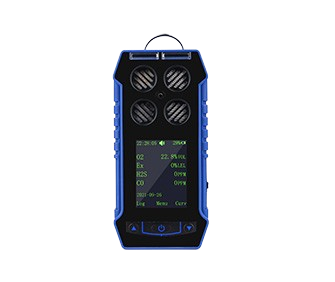
For example, the Bosean category page names multi-gas detectors and lists the K-40 4 in 1 and K-600N 6 in 1 models. This is useful evidence for identifying products that belong in the review set. It should not be expanded into a claim about certification, site suitability, safety outcomes, or unlisted configuration details. A page-level review of a multi gas detector should therefore record the exact page statement, the model or category to which it applies, and the question that remains for the technical discussion.
A practical evidence record can be brief. Capture the source location, the wording that supports the point, and the scope of the statement. Then place each item beside the relevant requirement. If the source identifies a model but does not address an interface, keep the interface as an open question rather than filling the gap with an assumption. This approach makes comparisons more transparent and prevents category information from being treated as model-level proof.
Plan the next technical discussion
Once the context, interfaces, and evidence have been mapped, prepare a focused discussion sheet. List the requirements in priority order, attach the supporting page-level evidence, and mark each item as confirmed, conditional, or unresolved. Include the responsible party for each open point. This gives procurement, engineering, and operations teams a shared record without implying that an unanswered question has already been settled.
The discussion should also preserve the boundaries of the intended review. Compare only like-for-like information, keep model names attached to their own evidence, and avoid transferring a detail from one listing to another. If the scope changes, update the requirements and evidence map rather than relying on the original comparison. A clear record helps the team decide what information is needed next and why it matters to the proposed system arrangement.
In summary, a sound review begins with the operating context, tests compatibility through explicit responsibility questions, and treats catalogue statements according to their actual scope. The Bosean page provides a bounded starting point by presenting a multi-gas detector category and listing specific models; the rest of the decision should remain tied to requirements and evidence that apply to the stated review.