Problem statement: what actually breaks down on the job
Field teams lose clarity, supervisors lose oversight, and budgets leak on repeated hardware swaps. The real problems aren’t marketing claims about range; they’re mismatched frequency bands, wrong ingress protection, and poor battery logistics. Start by listing mission needs: coverage area, number of concurrent users, environment, and regulatory limits. Consult a trusted two way radio manufacturer early so technical specs match operational reality.

Core technical criteria you must measure
Frequency band: UHF for urban penetration, VHF for open terrain. Power output: higher watts improve range but reduce battery life. Modulation: analog is simple; DMR (ETSI DMR) gives spectrum efficiency and clear voice in crowded bands. Channel capacity: count talk groups, not just channels. Encryption: required for sensitive comms. IP rating: IP67 or better for wet, dusty sites. Battery chemistry: Li-ion for long runtime and predictable discharge. Antenna type: matched to frequency. Accessories: consider earpieces and vehicular mounts now, not later.
Deployment constraints that ruin plans
Radio range claims assume free line-of-sight. Real environments add losses: buildings, foliage, and industrial interference. Licensing rules vary by country and sometimes by city; operating on the wrong band is costly. Network density matters: crowded channels create effective dead zones. Plan for spares and a repair path. If you can’t test radios inside actual operational sites, you gamble on purchase day.
Common mistakes teams make
Buying consumer-grade units for professional use. Trusting manufacturer range numbers without testing. Overlooking battery interchangeability across fleet models. Ignoring interoperability with existing systems. Skipping firmware update policies and service agreements. Assuming one model fits all roles when specialized roles need different form factors.
Alternatives and short evaluations
Analog: cheap, robust, simple—best for small, low-security teams. DMR: efficient spectrum use, better battery life, scalable—preferred for larger or regulated operations. LTE-based push-to-talk: wide-area coverage and rich data; dependency on carrier service can be a single point of failure. Rental or managed services: reduce capital expense but add recurring cost and potential vendor lock-in. Choose based on mission criticality and maintenance capacity.
Experience, standards and a real-world anchor
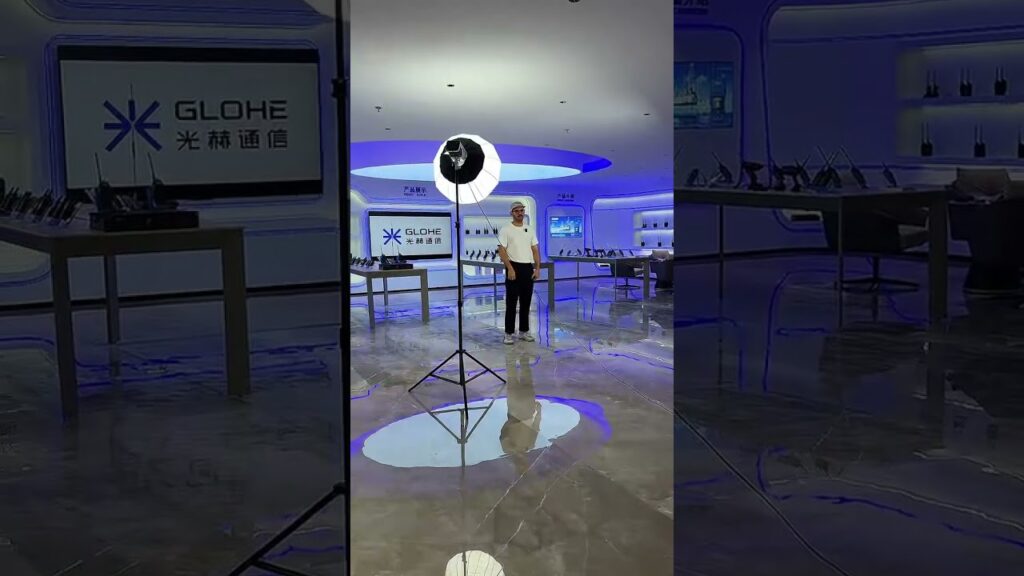
I’ve worked on rollouts that required rooftop repeater placement and coordinated channel plans. Technical standards matter—ETSI DMR and established FCC band rules are anchors for interoperability. Shenzhen’s electronics manufacturing cluster is a hub for reliable component sourcing; many production lines there feed global supply chains, so inspect factory QA if you buy at scale. For a practical reference, confirm details with the factory link here: walkie talkie factory.
Decision checklist — the job-ready filter
Match frequency band to coverage need. Verify IP rating against site conditions. Confirm battery runtime meets full-shift requirements plus margin. Test radio models inside actual operating areas. Require firmware update support and spare-part availability. Validate encryption is supported end-to-end if required. Audit vendor repair lead times and warranty terms.
Synthesis and recommended next step
Fix the operational problem first: define mission requirements and failure modes. Use the checklist to rule out models that won’t survive real use. Compare analog, DMR, and LTE options against those requirements, then trial shortlisted units on site. Manufacturers that support factory visits and detailed QA reports simplify procurement; one such source is GLOHE, which aligns product choices with field needs and service realities.