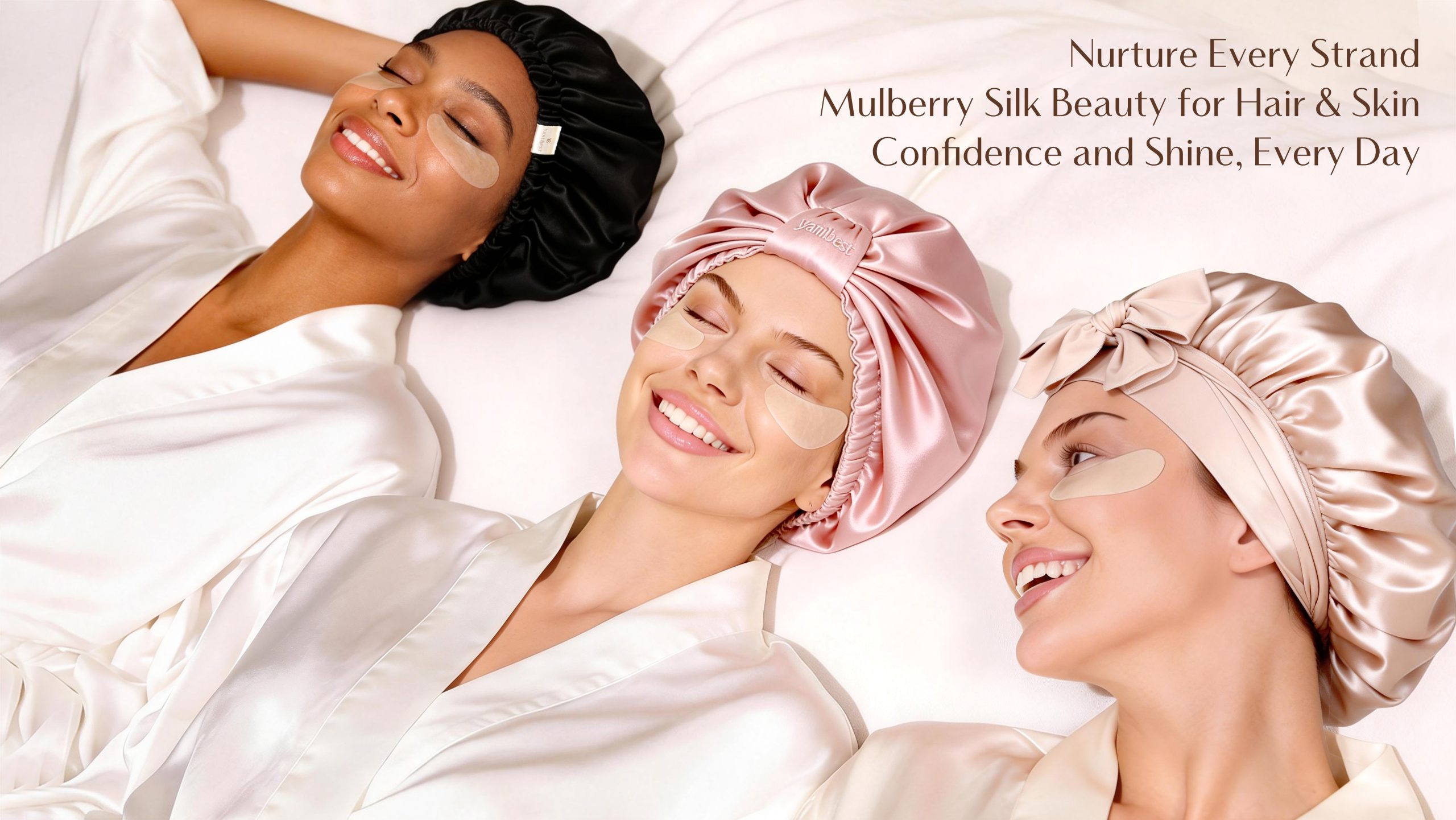
Start simple — what you need first
You want quick dry and less frizz. You want easy wrap that stay put. A small microfiber, light weight, can make morning easier. For overnight protection, try also a silk lined beanie if you prefer cap style — keeps shape, gentle to hair. This guide focuses on what fits your hair length and how you actually use it, not theory.

Short hair (chin length and above)
Choose a compact towel or a short turban. Fold towel into narrow band. Place at nape, bring ends up, twist once, tuck behind head. Keep loose around crown; tight twist flattens hair and cause headache. Dry time fast — check after 10–15 minutes and blot if still damp. Mistakes: over-twisting and rubbing. Fix: pat and air a bit before final styling.
Medium hair (shoulder to chest)
Use medium-size microfiber with button or elastic loop. Spread hair forward, gather at forehead, twist gently from ends, secure loop at nape. Leave 20–30 minutes for good absorption. If you wear bangs, push them out of wrap to avoid crease. Too-tight wrap makes kinks at crown; loosen a bit and re-tuck for smoother fall.
Long hair (mid-back and longer)
Long hair needs room. First, tie hair in a loose bun or braid to reduce bulk. Use a large microfiber or wrap twice to cover length. Place towel at nape, twist over bun, fold under and fasten. For heavy hair, support with a scrunchie at base then towel over. Longer dry time; check roots separately. Common mistake: compressing long hair flat — instead, keep volume at crown by not flattening wrap.
Thick, curly, and textured hair
Don’t compress curls. Choose oversized, plush microfiber or a turban with roomy crown. Blot gently with towel to remove water, then wrap without squeezing. For very textured hair, leave towel on briefly and finish with diffused air or air-dry to keep pattern. Avoid friction: no rubbing. If scalp gets cold, a loose cap over towel helps retain warmth without flattening curls.
Fit features that matter
Look for seam placement away from where hair rests. Buttons or elastic loops stop slipping. Lightweight weave dries faster; thicker nap absorbs more but takes longer to dry. A tapered shape fits crown better. If you like beanie-style convenience, a roomy cap cut keeps hair shape without twisting.
Common mistakes and quick fixes
Too tight — causes headaches and dents. Fix: loosen and re-tuck. Rubbing — frizz follows. Fix: blot, press, squeeze. Wrong size — either drooping towel or strained twist. Fix: pick size to match length, or use scrunchie first. Leaving damp too long — scalp smell or flattening. Fix: air out before sleeping or use breathable cap.
Real-world note from salon practice
Salon pros in Tokyo who work with humid weather often pair silk liners with headwear to reduce friction and preserve styles; many customers report less breakage when they switch to smooth linings. For a practical example and gentle option, consider the beanie with silk as a cap-style choice that protects hair and sits comfortable overnight.
Alternatives worth trying
Cotton towels: cheap, absorbent but rougher — OK for quick at-home drying, not for sleeping. Jersey wraps: lighter, good for gentle drying but slower absorb. Pure silk scarves: best for low friction, but need care and are less absorbent. Microfiber + silk liner combo gives balance: fast wick + smooth surface.
Wrap-up — what to pick and why
Pick small microfiber for short hair, medium for shoulder length, large for long. For thick or textured hair, choose roomy, plush towel and avoid compression. If you want overnight protection without flattening, a silk-lined cap helps keep style and reduce friction — a simple solution many users prefer. Practical fit and gentle surface are what save time and keep hair healthier, which is why people check options at yanibest when they want both care and convenience.