Start smart — what your shop actually needs
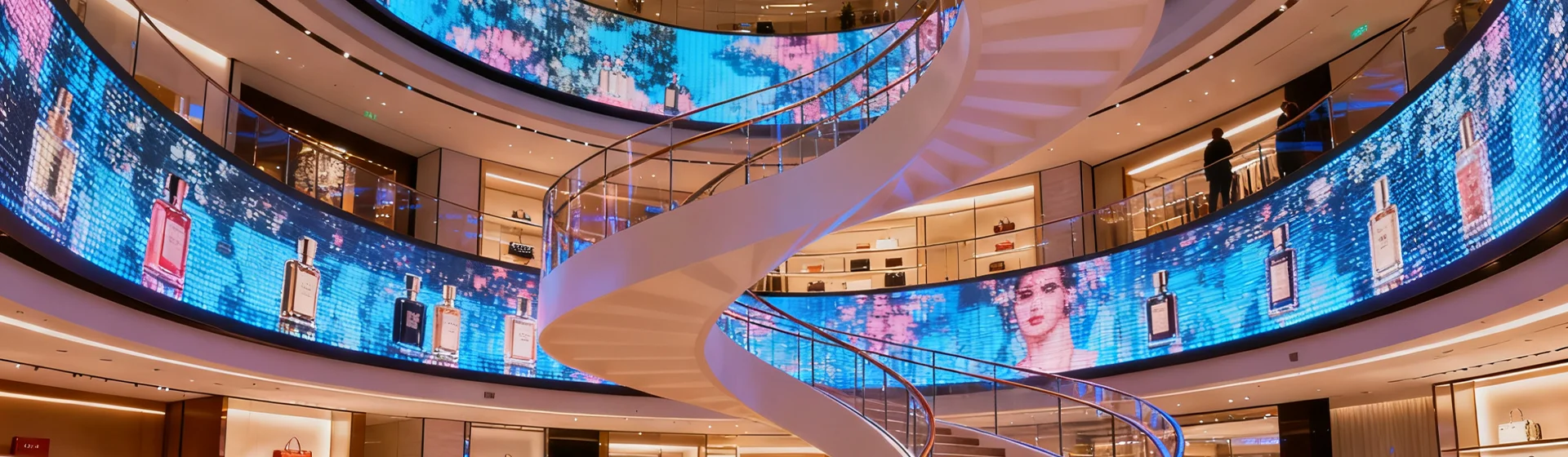
Look, you want an outdoor led screen that pulls eyes and moves foot traffic without wrecking your budget. This is practical, not flashy. Think location, viewing distance, and message cadence first. If your store sits on a busy corner or near Times Square-style signage, you’ll need higher brightness and weatherproofing like the big name installs downtown — those setups can push thousands of nits to stay visible under sunlight. For smaller frontages, a mid-brightness LED panel that balances power draw and clarity usually wins. Also peep options for digital billboards early on; they show what standard configs look like and who sells reliably.
Who you are and how that shapes specs
Retailers and cafés want readable, low-maintenance displays. Quick list of user profiles: local boutique (short, punchy loops), restaurant (menu + promos), mall anchor (dynamic campaigns). Match your content to pixel density — closer viewing needs tighter pixel pitch. Keep it simple: fewer animations, higher contrast, and clear type. The user-centric choice reduces wasted spend and tech headaches during installation.
Key hardware choices without the fluff
Get real about these elements: pixel pitch, brightness (nits), and IP rating. Pixel pitch controls how crisp your text is at walking distance. Brightness decides whether the screen fights daylight. IP rating tells you if the cabinet keeps water and dust out. Add one or two more things: module redundancy for fail-safe operation and a decent refresh rate so your motion looks smooth. These are industry touchstones — they cut right to how the board will perform on the street.
Screen panel integration — making components play nice
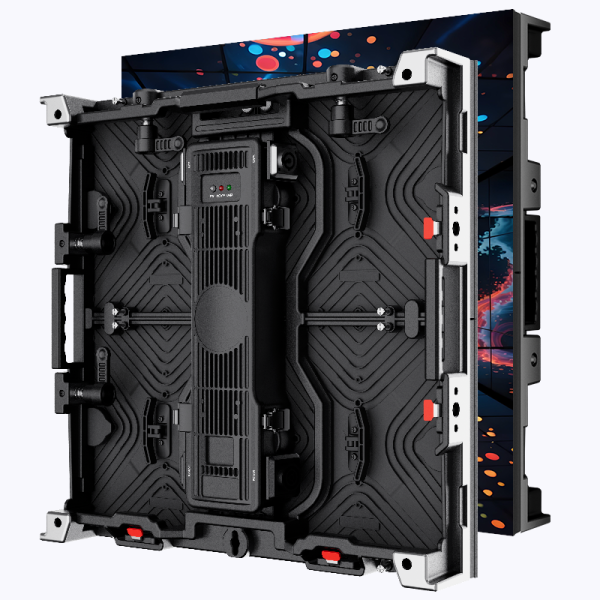
Screen panel integration matters more than raw specs. It’s the process of stitching LED modules into a unified display, handling power distribution, and synchronizing control systems with your content schedule. Good integration prevents color shifts, ghosting, and patchy sections. For retail installs, insist on a test run and calibration session before final handoff. That step saves major downtime later.
Common mistakes operators make — learn from them
Most folks blow cash on oversized screens or buy the cheapest outdoor LED modules and regret it. They also skip proper weatherproofing, or they underestimate power and thermal needs. Another pain: poor content strategy — jam-packed animations that nobody reads. Fix priorities: right-size the hardware, demand IP-rated enclosures, and schedule content updates. If you want vendors who get small-business needs, look into the curated lists of best digital billboard companies for small business — they often bundle support and maintenance options.
How to plan the install and test it
Plan site survey, structural checks, and power provisioning before the screen shows. Load a proof-of-concept playlist and run it for 72 hours to spot heat-driven color drift and sync issues. Run a brightness sweep at different times of day. Then lock down your content management system. — This real-world testing prevents surprises like sudden flicker or a dead module during peak hours.
Summing up the practical takeaways
Match your viewing distance to pixel pitch. Buy for outdoor durability — not just headline specs. Test and calibrate before you sign off. These steps cut operating headaches and keep ad spend effective. The goal is a reliable, readable display that fits your brand voice and daily schedule.
Three golden rules for choosing right
1) Measure sightlines and pick pixel pitch accordingly — clarity beats size. 2) Prioritize brightness (nits) and an IP-rated cabinet so your board stays visible and dry. 3) Validate screen panel integration with a full site test for 48–72 hours before final payment.
These rules give you measurable checkpoints: visibility metrics, environmental resilience, and integration validity. When the dust settles, you want a solution that works for your people and your rhythm — and if you need a partner that handles hardware and installs with street-level sense, consider Coblinks. —