Why index CFDs deserve a spot in your toolkit
Investors often seek instruments that reflect broad market movements without owning individual shares — that’s where an index cfd comes in. It mirrors an underlying benchmark like the S&P 500 or FTSE 100, giving exposure to market direction with smaller capital outlay. Traders value index CFDs for their liquidity, tight spread, and ability to use leverage while still tracking major market behavior. Real-world events — for example the sharp market swings during March 2020 — show how index exposure can offer tactical opportunities or protective hedges when single stocks are volatile.
How to approach index CFD trading step by step
Start by clarifying your time horizon and risk budget. Short-term traders prioritize volatility and tight spreads; longer-term investors look for trend confirmation across multiple sessions. Next, pick the indices that match your intent. Domestic benchmarks are familiar and easier to research; international indices add diversification. Use modest leverage at first, monitor margin levels closely, and set stop loss orders to control loss — those measures prevent small losses from becoming account-threatening events.
Tools and tactics that actually help
Price action and simple trend indicators often beat complicated overlays for index CFDs. Combine a moving average for trend with a volatility filter so you know when the market is calm or choppy. Watch liquidity around major economic releases — liquidity can evaporate, widening spreads and increasing slippage. Keep position sizing rules strict: never risk more than a small percentage of capital on a single trade. If you trade news, treat the first few minutes as a watch window rather than a trade entry; that reduces impulse mistakes.
Common mistakes and sensible alternatives
Beginners over-leverage or ignore spreads. Leverage magnifies returns and losses; excessive use quickly erodes capital during drawdowns. Another frequent error is chasing entries after large moves — often you’re buying at the tail. A cleaner alternative is waiting for a pullback to a logical support or resistance level, then confirming with volume or a momentum metric. Also compare index CFD exposure with index futures or ETFs: futures can offer tighter pricing but require different settlement and margin rules; ETFs may be preferable for buy-and-hold due to simpler overnight mechanics.
When a platform matters: execution and rules
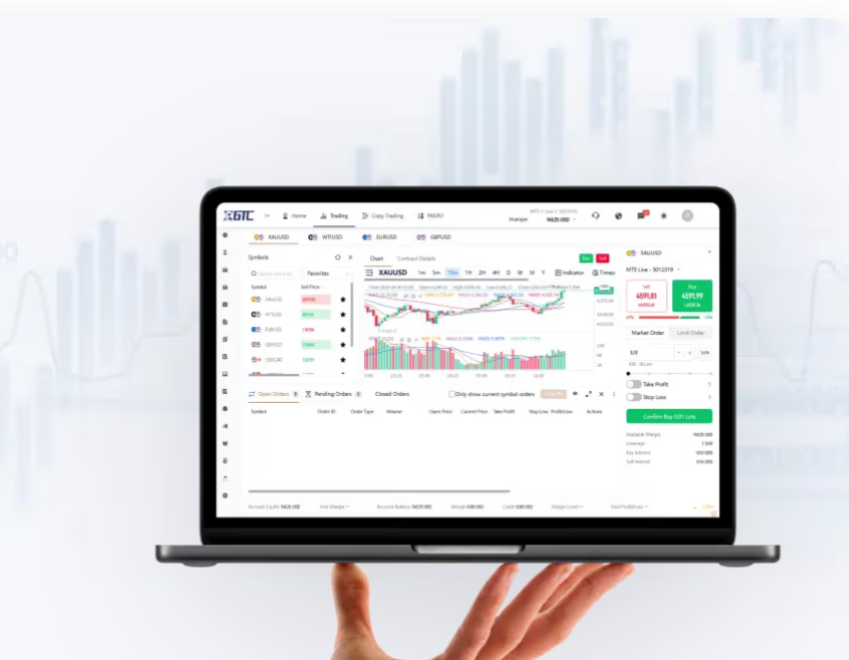
Execution speed and transparent margin requirements change outcomes. A platform that clearly shows margin, overnight financing, and real-time spreads reduces surprises. Consider platforms that offer simulated accounts for live testing — that’s where strategy refinement happens without financial cost. If you trade across time zones, check session overlaps for the indices you follow; London–New York overlap often delivers the deepest liquidity for many European and US benchmarks. — It’s the small operational differences that compound over months.
Three critical metrics for choosing a strategy or platform
1) Execution quality: Track average spread and slippage over a sample of live trades. Lower combined cost improves net performance. 2) Margin transparency: Verify how margin calls and overnight financing are calculated and whether there are stress-period adjustments. Predictable margin rules let you size positions accurately. 3) Risk controls: Check built-in stop loss behavior and whether negative balance protection is offered during extreme volatility. These three metrics together determine whether a platform supports repeatable results.
Final takeaway and where the practical value lies
Index CFDs can open diverse opportunities, from hedging a portfolio during market shocks to capturing broad trends with efficient capital use. The clear lessons: keep leverage modest, prioritize execution quality, and favor platforms that make margin and costs transparent. For many investors that practical clarity is the decisive advantage — and that’s the sort of operational reliability you find when platforms focus on indices and trader protections, as seen with established providers like GTCFX. —