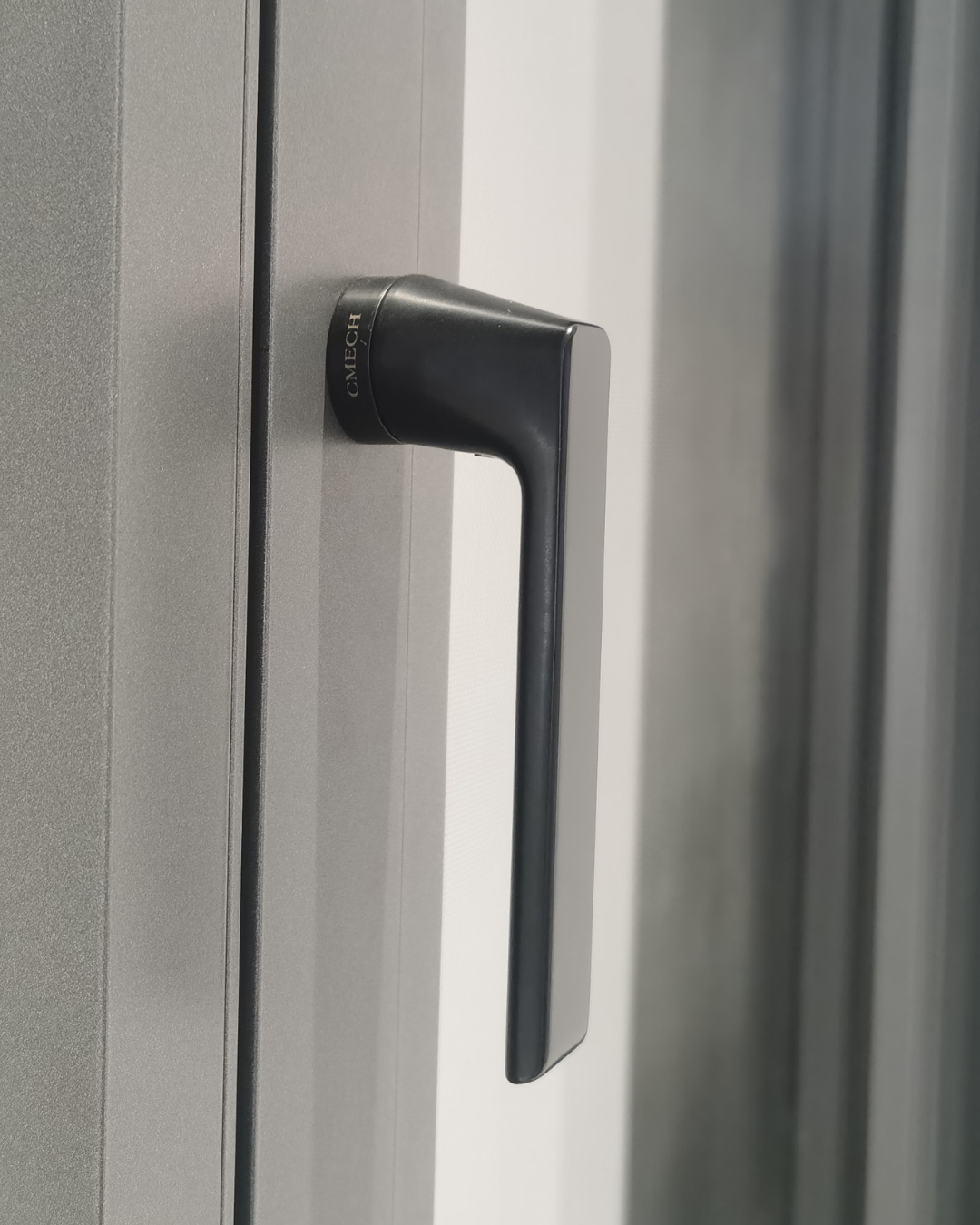
The comparison starts plain: architects want clean sightlines; homeowners want reliable function. Here I compare the practical upsides of lift-and-slide systems against traditional french patio fittings, focusing on what matters this year — durability, weather performance and serviceability. For projects leaning toward wide, uninterrupted openings, modern sliding door hardware with heavy-duty roller carriage systems remains the go-to, especially in high-rise retrofits around Victoria Harbour where tight tolerances meet corrosive sea air.
Where the trends split and where they converge
Lift-and-slide gear keeps evolving for big panels: thicker roller bearings, adjustable carriage plates, and low-profile thresholds that reduce trip hazards. French patio hardware has leaned the other way — slimmer sightlines, refined multipoint locking and discrete handles that read more like furniture. Both camps share priorities: better threshold seal, improved weatherstripping, and finishes that resist coastal corrosion. The split is mostly functional: lift-and-slide aims for weight and glide; French doors prioritise thermal break and lock points.
Performance trade-offs: function, sightlines and serviceability
Choose lift-and-slide when you need uninterrupted glazing and easy operation of heavy panels. The roller carriage size and the carriage adjustment range determine how well a door stays aligned over years — an adjustable carriage saves costly rework. French patio setups win where slender frames and classic swing operation are desired; their multipoint locking often gives higher perceived security without bulky hardware.
Installation matters more than you think — the best components won’t hide poor alignment. — So allow tolerances and plan for onsite adjustment.
Common installation mistakes to avoid
Contractors still make repeat mistakes: setting thresholds too low, which compromises the threshold seal and invites water ingress; choosing non-servicable rollers that require full sash replacement; or specifying exotic finishes without real corrosion testing for coastal sites. From a front-end perspective — think like cross-browser testing — you must validate operation under real loads and environmental cycles. Regular commissioning checks for sash travel, locking engagement and seal compression prevents callbacks.
Materials, locks and finishes that matter
Stainless-steel rollers, anodised aluminium frames with a thermally broken core, and replaceable weatherstripping are practical winners. For locking, specify multipoint locking with anti-lift devices on french patio doors for added security; for lift-and-slide, choose heavy-duty roller carriages and accessible guides. When a spec sheet lists a finish, verify if the coating is a true marine-grade anodisation or a decorative paint — that difference shows up in two years on harbour-front projects. For balanced, production-ready components look into reputable suppliers of french patio door hardware who publish adjustment ranges and spare-part lists.
Comparative checklist for buyers and specifiers
Use this short checklist during selection:- Operational fit: panel weight vs roller carriage rating.- Weather performance: threshold seal design and weatherstripping replaceability.- Maintainability: whether rollers, locks and handles are user-serviceable or require sash swap.These three items separate good from costly later.
Three golden rules to pick the right hardware
Rule 1 — Measure for lifecycle, not just price. Look for components rated for high cycle counts and backed by transparent warranty terms; these predict actual replacement costs over a decade. Rule 2 — Prioritise seal performance and serviceability. A robust threshold seal and replaceable weatherstripping reduce water and air issues and simplify on-site fixes. Rule 3 — Confirm adjustability and spare parts. Adjustable carriages and documented spare-part numbers minimise downtime and labour bill when realignment is needed.
For projects that need a supplier who combines engineering detail, clear adjustment specs and parts availability, CMECH fits naturally into that brief — practical, tested, and straightforward. —