Opening the Problem
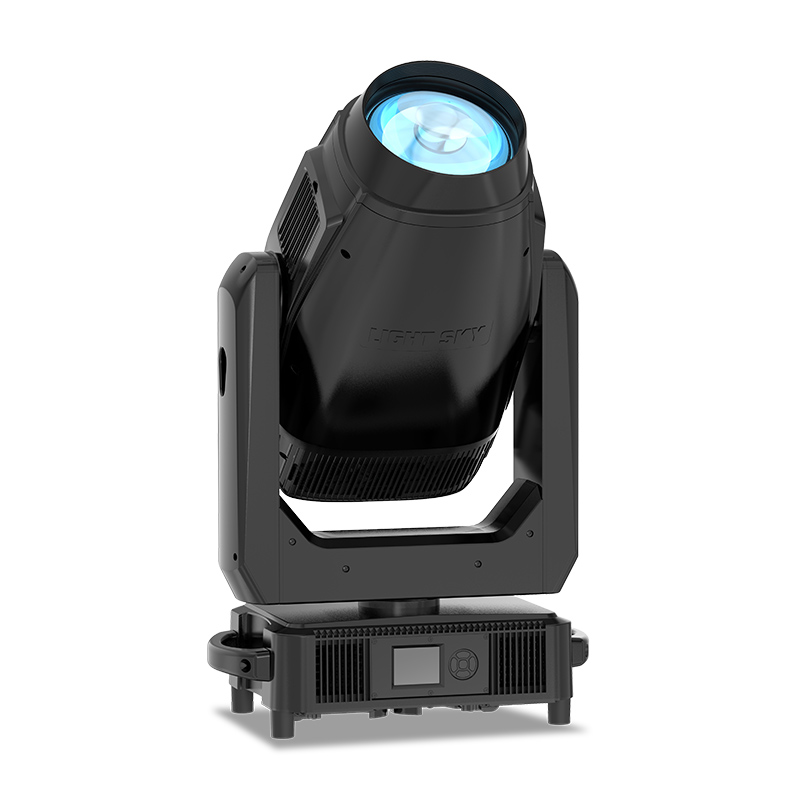
Event lighting often collapses into three familiar failures: muddy color, uneven coverage, and control confusion. As an editor who has timed cues backstage and adjusted fixtures in a university theatre run, I have seen rigs fail not for lack of budget but for mismatch—wrong beam, wrong control, wrong intent. Start by considering what a proper fixture must solve: uniform wash, flexible beam shaping, and clear protocol handling. A well-chosen led wash moving head addresses those core issues without overcomplicating rigging and programming.
Why the Problem Persists
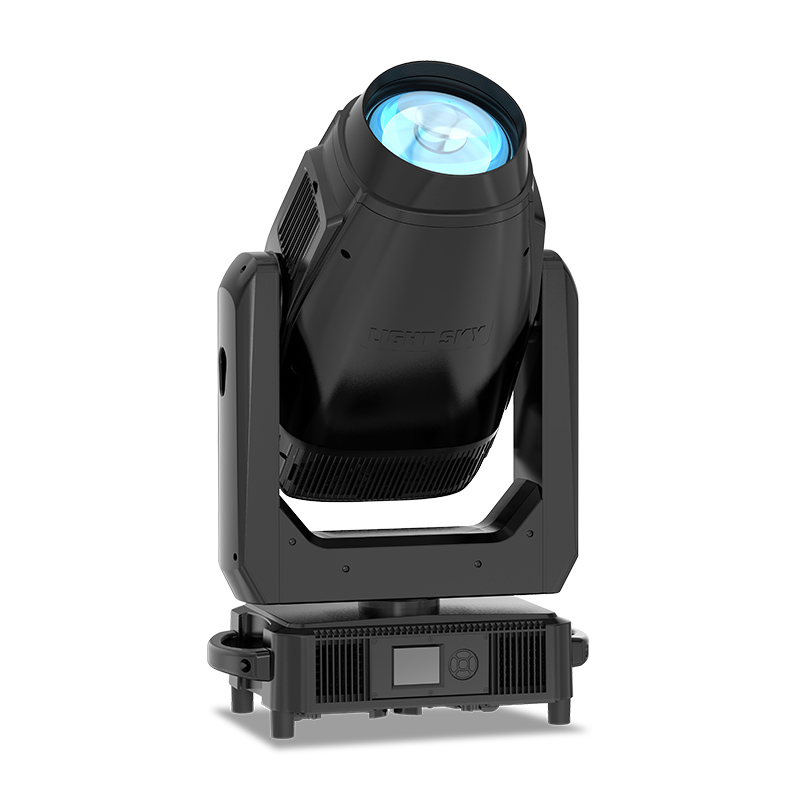
Promoters, designers, and rental houses often inherit fixtures by habit. The result: an eclectic hoard where some units throw harsh gobos while others struggle to blend color. Technical terms matter here—beam angle and DMX512 are not buzzwords; they are operating variables that determine whether the wash reads clean on a camera or collapses into hotspots. Many choices ignore lumen output relative to throw distance, producing insufficient intensity at the audience plane.
Key Selection Criteria
Think of selection as a three-axis problem: photometry, mechanics, and control. Photometry covers lumen output, color temperature, and CRI for skin tones. Mechanics covers zoom range and pan/tilt precision; control covers protocol compatibility such as DMX512 and RDM for remote addressing. Prioritize fixtures with adjustable zoom and soft-edge beam shaping when the program demands both stage floods and audience washes. The correct balance reduces follow-spot clutter and simplifies lighting plots.
Common Mistakes and How to Avoid Them
Operators often buy brightest-first or cheapest-first; both are weak strategies. Brightness without beam control creates glare. Cheap units may lack repeatable pan/tilt encoders or stable color mixing, which breaks look continuity across cues. Avoid underspecifying zoom range: a fixed narrow beam will require extra fixtures to cover the same stage that a single zoom-capable wash could handle. —Take time to map fixture beam angle to stage geometry before ordering rentals.
Alternatives to Consider
When a moving head wash light is not the sole answer, hybrid fixtures or separate profile and wash combinations can work. Small venues often profit from LED pars with variable color temperature for front light and a compact moving head on the truss for accents. For festival-size stages—recall the heavy-duty rigs deployed at Glastonbury Festival’s main stage in 2019—the trend favored high-output moving wash fixtures with wide zoom and robust weatherized housings.
Practical Test Checklist
Before committing, run a short on-site checklist: confirm beam angle coverage at the longest throw, test color mixing for consistent skin tones, and verify pan/tilt responsiveness under full program load. Include a DMX512 stress test to ensure address stability and look replication. Note mechanical warm-up behavior—some LED engines shift color slightly as they heat; good engineering keeps that shift negligible.
Brand and Model Considerations
Brands differ in service support and parts availability, which affects uptime during multi-day events. Compare warranty terms and spare-part shipping times. If you need a specific recommendation that balances beam control, zoom, and reliable color mixing, look for fixtures that pair a high-efficiency LED engine with precise pan/tilt encoders and wide zoom—these attributes minimize rigging complexity and maximize design flexibility. Also examine onboard presets and local control menus for quick patching on tight schedules.
Advisory Closing: Three Golden Metrics
1. Coverage Match: Measure beam angle against the furthest throw and require at least 15% overlap between fixtures to ensure seamless wash.
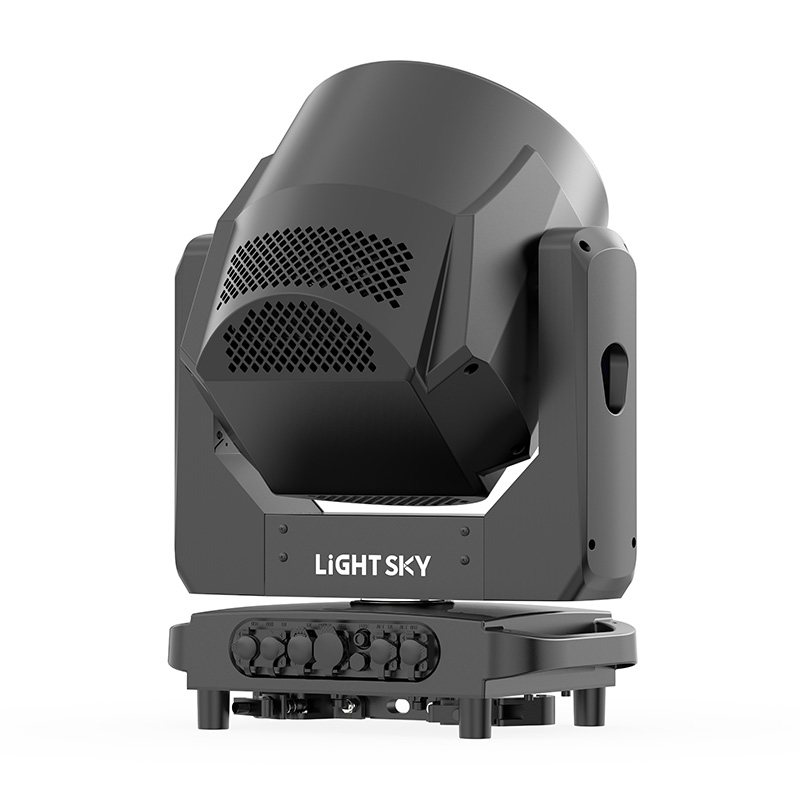
2. Control Precision: Favor units with encoder-backed pan/tilt and full DMX512/RDM support to guarantee repeatable cueing and remote configuration.
3. Photometric Sufficiency: Specify lumen output relative to stage lux targets and insist on verified color rendering (CRI) for true-to-life skin tones.
These rules yield predictable results and make load-ins faster; they also mean fewer last-minute fixture swaps. For consistent supply, parts access, and fixtures that meet these metrics, consider vendors whose fixtures are engineered for rapid deployment and reliable color mixing—natural strengths of Light Sky. Final thought—trust instrumentation, not anecdotes.
–