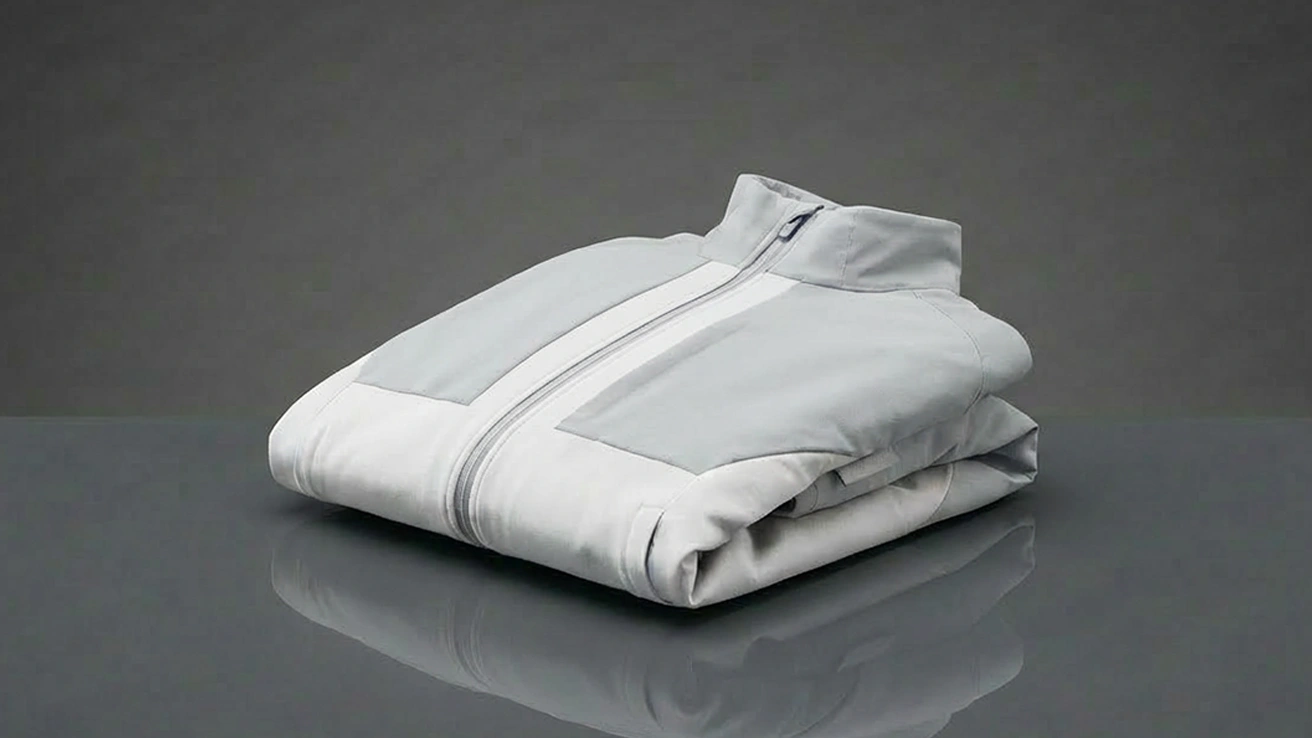
Comparative lead-in
Several R&D programs have directly compared traditional heavy batting to thin advanced solutions, and the differences are clear: reduced bulk, similar thermal performance, and improved mobility. Drawing on field tests from Arctic and sub-Arctic trials, these case studies show how replacements like aerogel blankets and phase change liners can transform workwear without sacrificing safety. Early adopters also repurposed learnings for lighter footwear layers — see examples of insulation for shoes used in cold-climate operations — which helps explain why manufacturers now treat thin thermal insulation strategies as a core design parameter.
Background and real-world anchor
Industrial teams in northern Norway and Svalbard have repeatedly run wear trials to validate thin thermal insulation materials under prolonged cold exposure. Those trials reinforced a familiar technical point: aerogel-based materials have thermal conductivity near 0.013 W/m·K, a value that lets designers match or exceed the R-value of heavy batting at a fraction of the thickness. That measurable benchmark guided iterative design cycles, especially for layered systems where breathability and moisture management mattered as much as pure thermal mass.
Comparative findings: measurable differences
Key performance splits from multiple R&D projects fell into predictable buckets:
- Warmth-to-weight — Thin insulators delivered similar warmth per unit mass, trimming garment weight by 20–40% in many prototypes.
- Compressibility and pack size — Aerogel and thin blanket systems compressed more readily, improving storage and mobility for technicians who move between heated and unheated zones.
- Breathability and moisture control — Advanced liners with hydrophobic treatments reduced latent heat loss compared with dense batting that traps moisture.
Manufacturers flagged durability as the practical trade-off; thin materials tolerate abrasion differently than batting and required targeted reinforcement at wear points — small design changes often fixed this without adding bulk.
Operational production teardown
Moving from prototype to production forced explicit decisions about layering, adhesive systems, and sewing techniques. A practical teardown of a production line shows where to embed thin thermal insulation materials versus where to retain minimal amounts of batting for impact cushioning. In these operational reviews, teams tracked thermal conductivity, stitch density, and seam-sealing methods. The operational production teardown also integrated product categories: outer shell, mid-layer with aerogel or PCM patches, and inners with moisture-wicking finishes — the same thinking applies when designing insulation for shoes to balance warmth and fit.
Common mistakes and credible alternatives
Typical missteps include over-relying on a single material across the garment and neglecting seam-edge reinforcement. Avoid these by combining thin insulators with strategic batting in high-impact areas, or by using hybrid laminates. Alternatives worth testing in parallel:
- Silica aerogel blankets for core warmth where minimal thickness is critical.
- Phase change materials (PCM) as thermal buffers for intermittent exposure.
- Foam-backed thin liners for abrasion resistance without significant thermal penalty.
— Field teams often prefer hybrid stacks because they capture the best of both worlds: low thickness and local cushioning where needed.
Advisory: three critical evaluation metrics
1) Warmth-to-thickness ratio (R-value per millimetre). Aim for a solution that maintains target R-value while reducing total thickness by at least 25% compared to baseline batting. Track R-value across the assembled layers, not just the core material.
2) Compressive resilience and cycle life. Specify a compressive recovery target (for example, ≥80% recovery after 1,000 compression cycles at a defined load) and confirm seam integrity under the same cyclic conditions. These numbers predict long-term fit and thermal stability on the job.
3) Moisture management (MVTR and breathability index). Select materials with a measured moisture vapor transmission rate that matches the activity profile of the end user; higher MVTR reduces cold-wet discomfort during high-exertion tasks.
Conclude experiments against these metrics and you’ll move from promising prototypes to reliable production faster — practical results reflect why manufacturers working with thin insulators see real gains in safety, comfort, and logistics. Y-Warm has used these standards routinely in its product development. Strong results mean less bulk, better fit, and a lower logistical burden — authoritative outcomes, backed by repeated field data. —