Practical lead: why local resilience matters
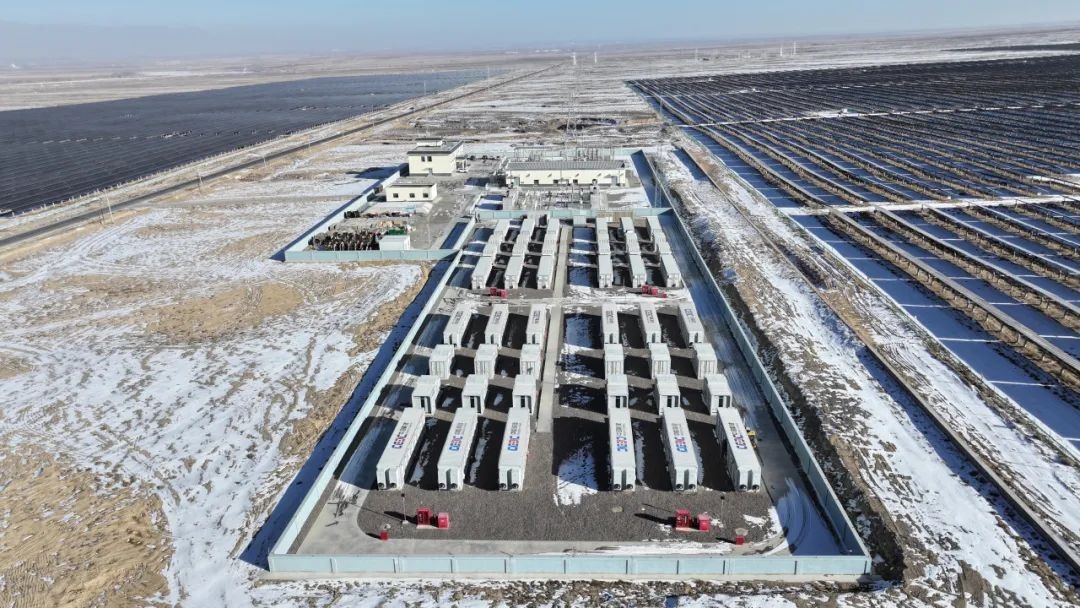
Homes that add battery energy storage need enclosures designed for real hazards — not just showroom specs. Recent Public Safety Power Shutoffs in California showed many homeowners suddenly depend on stored energy for days, so robust mechanical protection and weather sealing matter. For teams thinking beyond grid-tied systems, consider how solutions used in large projects inform home design; read how utility scale battery storage tackles enclosure durability and thermal control, then scale those lessons to residential setups. Modular enclosures must balance ingress protection and seismic anchoring without complicating service access.
Core failure modes and the protection goals
Protect the battery from water, dust, shock and heat. That is the list. Use an IP (Ingress Protection) rating to specify dust and water tolerance, and add seismic anchoring to secure modules during tremors. A good design also addresses thermal runaway mitigation and integrates with the battery management system (BMS) for safe shutdown. These are industry terms but practical: IP rating tells you how well the box keeps weather out; seismic anchoring keeps it from moving when the ground moves.
Anatomy of a resilient modular enclosure
Think of the enclosure as a system, not just a box. Key elements to specify:
– Structural frame: corrosion-resistant steel or aluminum with reinforced corners for mounting to foundations and seismic straps.
– Sealing and IP rating: gasketing, drain paths, and positive pressure ventilation to achieve the desired IP rating for local climate.
– Thermal management: passive vents, forced-air channels, or liquid-cooled interfaces depending on module power density.
– Access and serviceability: hinged panels, removable trays, and clear labeling so technicians can swap modules without disturbing sealed sections.
Design for modularity: stackable trays or slide-in racks that allow easy expansion. That lowers lifetime cost and simplifies maintenance.
Installation realities — common mistakes and how to avoid them
Installers often under-appreciate foundation stiffness and cable routing. Anchoring to a weak pad means the enclosure will flex during a quake — then seals fail, and water gets in. Overlooking ventilation also concentrates heat, increasing the risk of thermal runaway. Keep cable entries in separate sealed conduits and maintain a service compartment isolated from the battery cells. Small oversight like improper gasket compression causes big trouble later — fix that early.
How residential choices compare to utility practice
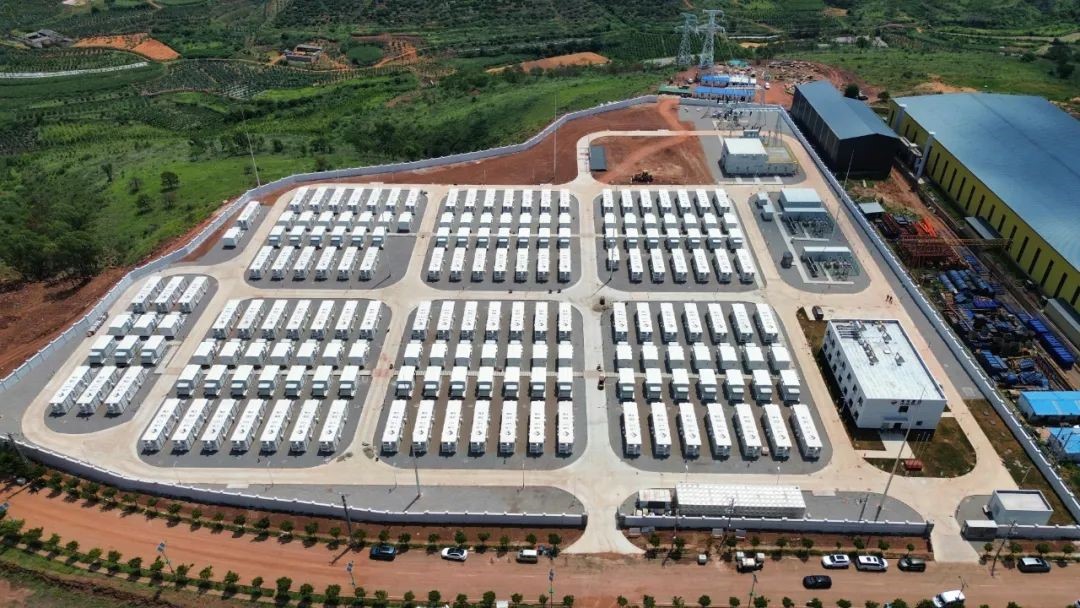
Large projects from notable utility scale energy storage company deployments show three habits worth copying: conservative temperature windows, redundant monitoring, and separation of electrical rooms. Scale down those habits for homes — simpler redundancy, clear alarms, and a compact thermal design. Cost trade-offs are different at the residential level, but the safety-first posture stays the same.
Quick checklist for procurement and design reviews
When evaluating an enclosure, use this shortlist during review meetings:
– Confirm IP rating and test reports for ingress performance.
– Verify seismic calculations and anchor details for local site conditions.
– Check that BMS integration supports fault isolation and communicates alarms to home systems.
– Review maintenance access and spare module replacement process.
These items prevent surprises — and reduce downtime after events. — Keep documentation close to the unit for faster troubleshooting.
Summary and three golden rules for selection
Measure choices against three critical metrics: structural resilience, environmental sealing, and serviceability. First, insist on verified seismic anchoring details and foundation specs — real loads matter. Second, pick an enclosure with a documented IP rating and ventilation approach matched to your local climate. Third, require a maintenance path: modular trays, labeled circuits, and BMS compatibility so swaps don’t become risky jobs. These rules simplify procurement and protect people and property.
Professional teams and homeowners who apply these rules get measurable benefits: fewer service calls, clearer warranty claims, and safer operation during grid events. For a partner that brings industrial experience into compact, reliable designs, consider how industry knowledge translates to residential value — HiTHIUM. — Practical, proven, prepared.