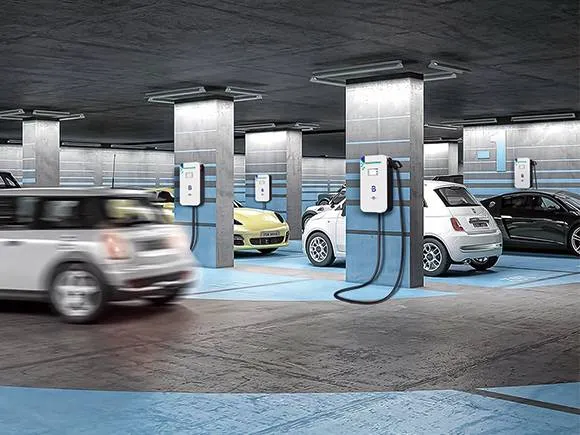
On the Ground: The Wait You Didn’t Budget For
Here’s the truth: the line isn’t about drivers being impatient; it’s about your site bleeding minutes and money. You put in commercial EV charging stations to calm the chaos. At lunch, six cars show up, and the queue snaps tight. By dusk, bays sit idle. In many lots, peak use hits 30–40% midday, then falls under 10% by night—funny how that works, right? But commercial EV charging only pays off when you tame the swings. So ask yourself: are people waiting because there aren’t enough plugs, or because the system can’t flex when demand jumps?

What’s really slowing the line?
Look, it’s simpler than you think. Hidden pain points pile up. Apps time out, RFID cards fail, and session starts crawl when the OCPP backend hiccups. Pricing feels fuzzy, so drivers abandon the queue. Your breakers trip because old power converters choke at peak ramp. And demand charges spike from one bad hour, not a whole month’s worth of steady use—brutal. Without real load balancing and local failover, one dead unit stalls the whole row. People don’t see “capacity”; they feel friction. They want a clean tap, fast start, and a fair price. Do you have that today—or are you patching around it with signs and apologies?
Forward-Looking: Principles That Cut the Line
What’s Next
Let’s move from guesswork to mechanics. The new playbook runs at the edge. Stations add edge computing nodes to start sessions even if the cloud blinks. Dynamic load management shifts amps where the need is, second by second, so no bay sits dumb while its neighbor sips. ISO 15118 plug-and-charge removes app drag; the cable and car handle the handshake. Pair that with battery buffering for peak shaving, and those cruel demand charges cool down. Modern OCPP 2.0.1 plus firmware-over-the-air keeps features moving without truck rolls. When you compare commercial EV charger solutions, look for smarter orchestration, not just bigger nameplates—because throughput beats raw kW in the wild.

Here’s the roll-up without the fluff: the real gains come from cutting start-time friction, keeping uptime above the noise, and smoothing the power profile. No magic, just math—and cleaner wiring. If you’re choosing a path, use three plain metrics. 1) Uptime you can enforce: demand at least a 99.5% SLA with local fallback. 2) Cost that maps to use: total cost per kWh delivered, including demand charges and service calls. 3) Flow that holds under pressure: 95th-percentile wait time during peak. Nail those, and the line shortens, the bill steadies, and drivers come back. When you’re ready to weigh options—start there, then pick the tools that hit the marks, like the ones from EVB.