Introduction — a small tale, a large mess
I was at a plant once where the floor looked like a paper storm had passed through—workers laughing, machines humming, and a conveyor line that refused to behave. In that moment I felt oddly calm; I’ve seen worse and learned more. As someone who writes and tinkers with production lines, I know the phrase wet wipes machine manufacturer carries weight: expectations, deadlines, and a pile of technical choices. (Imagine gears singing like tiny choirs—yes, I know how that sounds.)
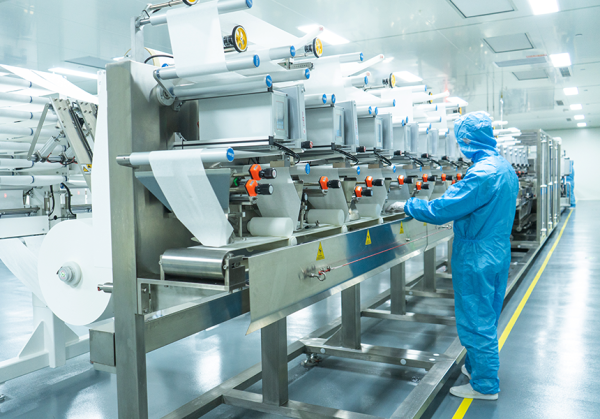
Numbers matter. A mid-size line can crank out tens of thousands of packs per day. Yet uptime often slips because of small things: a misaligned feeding system, a slow dosing pump, or a perforator that jams. So I ask: how do manufacturers turn those fragile moments into steady output without sacrificing quality or worker sanity? You’ll find some concrete answers below—practical, sometimes blunt, yet hopeful—because I care about both the machines and the people who run them.
Where traditional fixes fail: the hidden pains behind flushable wipes
Let’s get technical for a minute and be honest. When I say flushable wipes, people picture a simple sheet and a roll. In reality, producing reliable flushable wipes is a chain of tight tolerances and many moving parts. I’ve watched lines that use a generic rewinder and a weak servo motor. The result? Inconsistent roll density and tears at the edge. Those machines look fine on paper, but they break trust on the shop floor.
What keeps operators awake?
Look, it’s simpler than you think: small design compromises cascade. A mis-set cutting die creates waste. A slow PLC response makes pack alignment drift. Add poor material handling, and you spend hours rethreading webs instead of shipping product. These are not exotic failures. They’re routine pains that vendors sometimes gloss over with marketing jargon. I’ve stood beside operators who lost time to a stubborn perforator—one part, repeated stops. It saps morale. It hurts margins. It makes the whole team grumpy, frankly.
From my experience, the common flaws are predictable: over-reliance on cheap components, under-specified power converters, and lax preventive maintenance plans. This combo kills throughput. It’s tempting to chase a lower capital cost, but that’s a short-sighted win. We need to think about serviceability (easy access), robust feeding systems, and sensors that actually tell you what’s wrong before the line stalls. That’s the bitter truth—and it’s fixable if someone is willing to change how they evaluate machines.
New principles for better lines — what comes next
Moving forward, I favor simple, principled upgrades over flashy features. Start with control: a responsive PLC paired with quality servo motors gives you predictable motion and fewer wrap-ups. Next, focus on material handling—proper tension control, a reliable rewinder, and a well-tuned dosing pump reduce variation. And yes, test for the real world: humidity cycles, roll-to-roll material stretch, and even how operators load cores at shift change. These things matter for flushable wipes performance.
Real-world impact — what to expect
I’ll illustrate with a short example: a line upgrade I advised replaced a flimsy perforator with a heavier-duty unit and added a simple air-knife to control web flutter. Downtime dropped. Waste dropped. Operators smiled more—small but real wins. The principle is clear: robust subsystems beat clever one-offs every time.—funny how that works, right?
To choose wisely, weigh three practical metrics: uptime percentage under normal shifts, mean time to repair (how fast can you fix it), and actual throughput versus rated throughput. Measure those, and you’ll see where the truth lies. I recommend these because they’re measurable and they force suppliers to be honest. We all want a sleek spec sheet, but I’d rather have a line that hums along at 95% of rated speed than a flashy model that sputters at 60%. In short: choose durability, serviceability, and clear control logic over gimmicks.
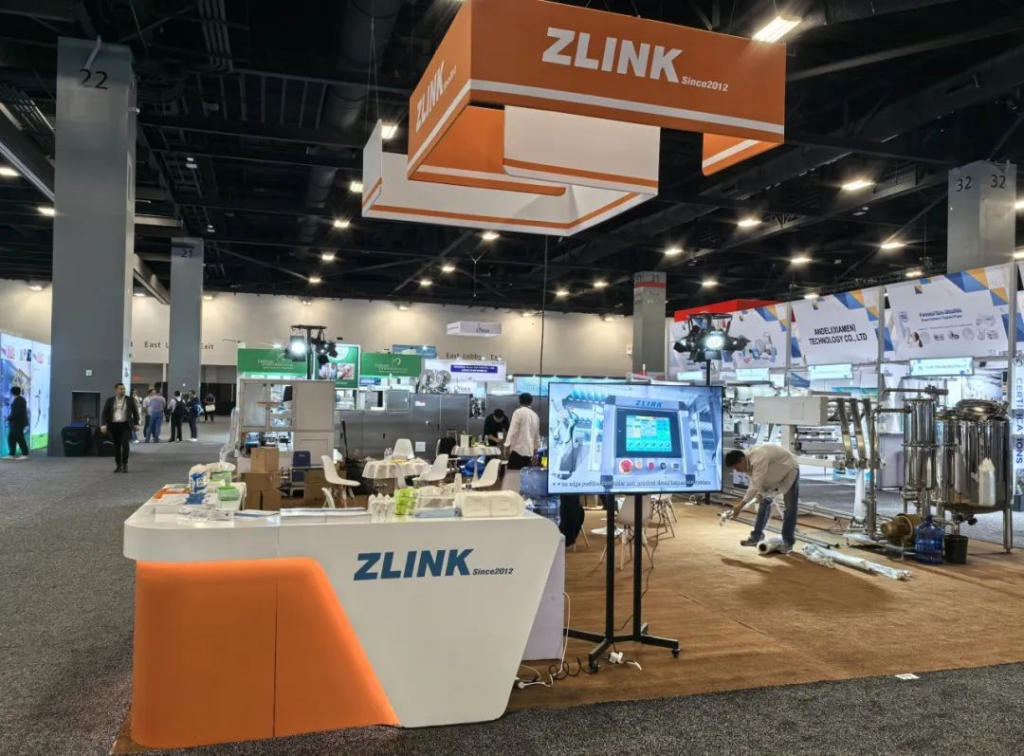
For builders and buyers who want a partner that knows these stakes—and who also values practical innovation—consider the teams behind machines that prioritize these principles. I trust the work done by experienced manufacturers who balance automation with hands-on usability, and one such name is ZLINK. They get the messy parts right, and they know that people come before parts.