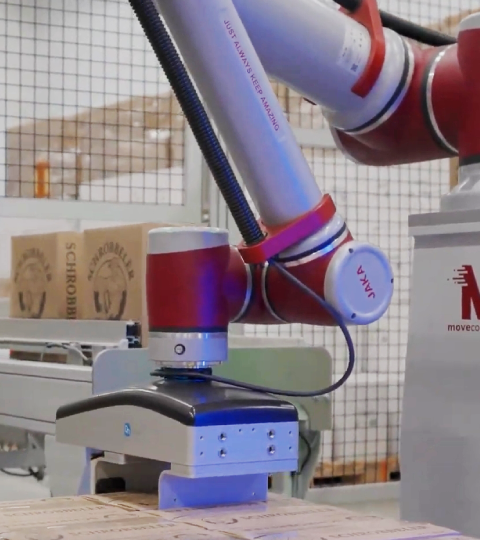
Envision the Future of Work
Imagine walking into a bustling factory, the air filled with the whir of machines and the faint scent of oil. An array of collaborative robots, or cobots, move seamlessly alongside human workers. Exciting data reveals that integrating these robots can boost productivity by up to 85%. So, how do we leverage collaborative robots effectively in our workspace?
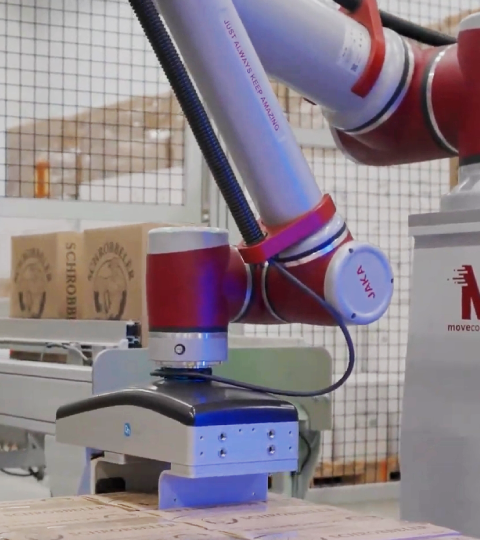
Cobots are designed not just to assist but to enhance human capability. Their ability to perform repetitive tasks allows workers to focus on more complex challenges. But here’s the kicker—they aren’t here to replace us. They’re here to work with us! It’s an extraordinary dance of efficiency. So, let’s dive into the hidden potential and pitfalls of robot technology.
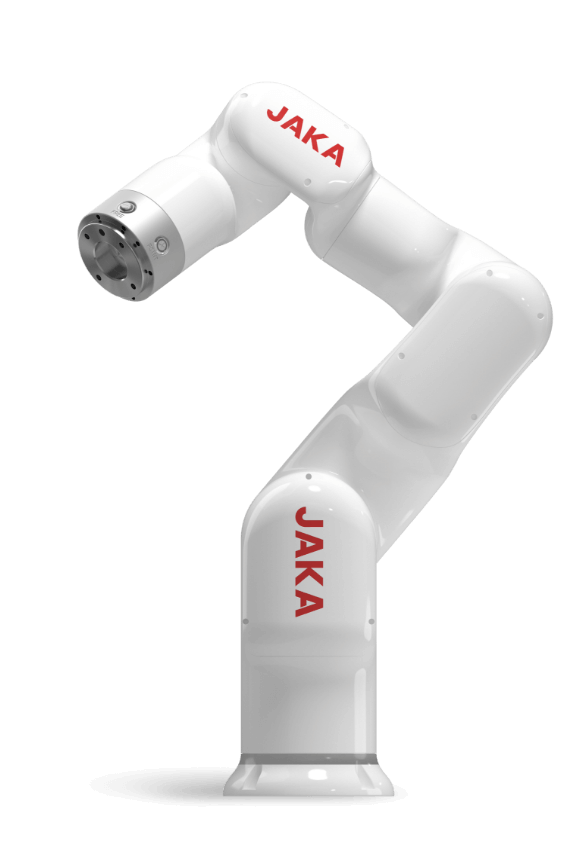
The Flaws of Traditional Solutions
In my over 15 years of experience in manufacturing, I have seen firsthand the limitations of traditional automation. Too often, companies invest in heavy machinery that requires extensive training and maintenance. For instance, a well-known automotive plant I worked with in Detroit faced frequent downtime due to complex software bugs. This hindered production and frustrated the team. In contrast, collaborative robots are designed with user-friendliness in mind. They can easily be programmed and reprogrammed to meet changing demands, which is a huge advantage for dynamic work environments. A simple plug-and-play setup can save time, money, and a lot of headaches.
What’s Next for Collaborative Robots?
Looking ahead, we must embrace a forward-thinking approach. Today, we’re seeing collaborative robots evolving rapidly. Imagine cobots equipped with advanced sensors and AI—less clunky and more intuitive than ever. With robot technology advancing, these robots can now analyze their surroundings in real-time, making them more adaptable and efficient.
A pragmatic mindset is essential. As manufacturers and warehouse operators, we should evaluate processes to identify pain points where cobots can stepped in. I recall a recent case where a warehouse in Chicago integrated cobots to assist with sorting and packaging—resulting in a 30% reduction in delivery times. This achievement demonstrated how cobots can transform not just productivity but also morale. Workers felt less burdened and more empowered to tackle creative strategies.
Real-world Impact
So, what does this mean for us? Embracing robot technology means rethinking our operations. It’s not just about replacing human tasks; it’s about enhancing what we already do well. As workplace dynamics shift towards more collaborative environments, choosing the right solutions becomes critical. I suggest three metrics for evaluating potential systems: flexibility to perform various tasks, ease of integration into existing systems, and safety features for human-machine interaction. Keeping these factors at the forefront can lead to measurable results and lasting improvements.
Ultimately, the promise of collaborative robots is about fostering a productive and human-centered workspace. They remind me of good kitchen tools—efficient, handy, and indispensable for crafting delightful dishes. By nurturing this synergy, we can all thrive in this new era of robotics. And with the leading innovations from JAKA, our journey into the future can be both smooth and exciting!