Introduction: A Field Note on What Actually Trips Projects
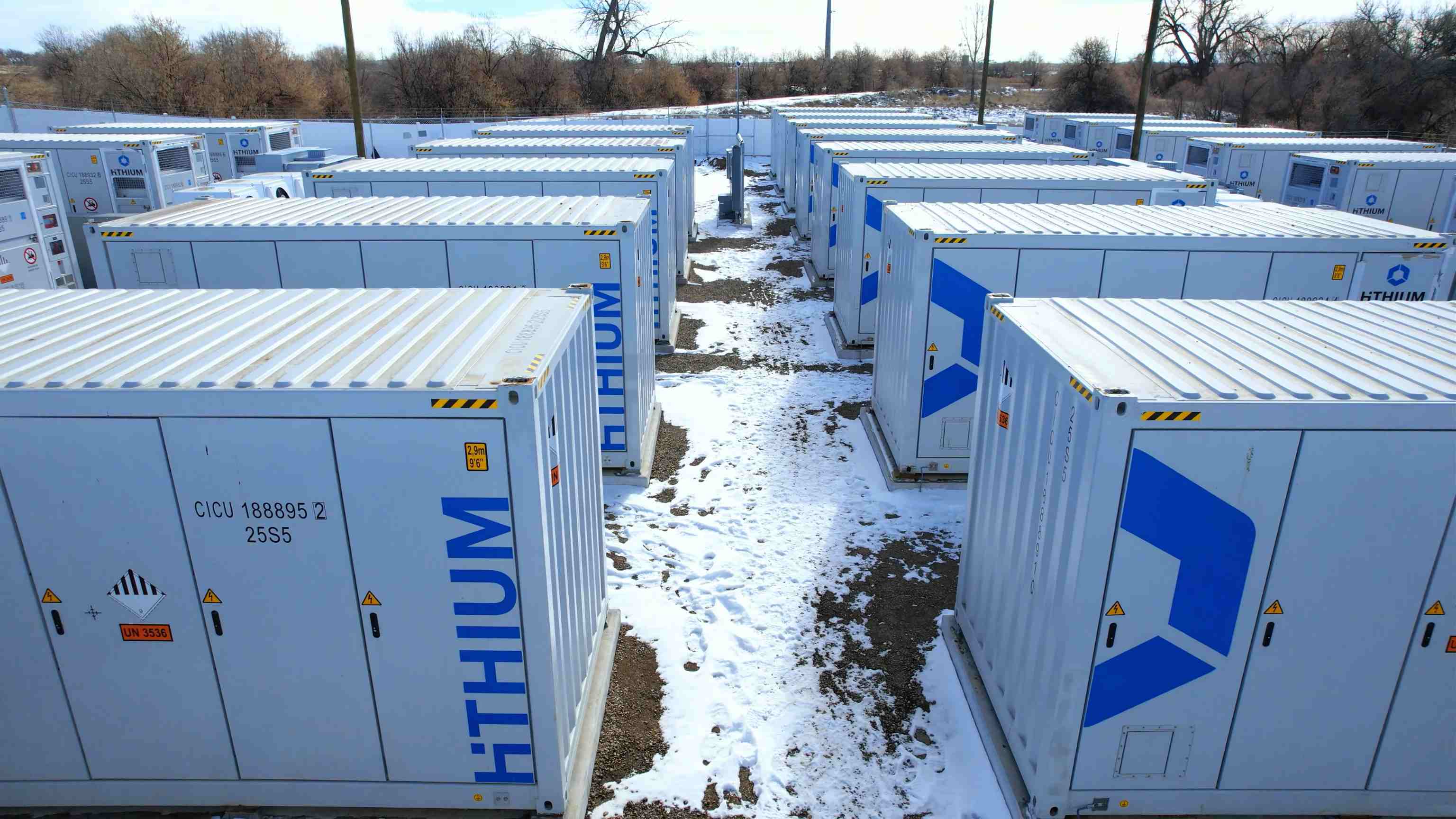
I remember a hot, dusty evening in Bakersfield, June 2023, when a 10 MWh site stalled during a price spike and everyone stared at the screen like it might apologize. I was there to evaluate hithium energy storage for a client’s peak-shaving project. The operator muttered about “another PCS reset,” while I counted the lost revenue—$8,400 gone in under two hours, with a round-trip efficiency logged at 92.5% and a 4% state-of-charge drift after a routine firmware push. I’ve spent over 15 years buying, commissioning, and troubleshooting utility-scale gear, and I’ve learned that choosing from energy storage system manufacturers isn’t about glossy datasheets; it’s about where projects bog down at 2 a.m. (usually integration and service). So, here’s the question I ask clients in Texas, Ontario, and Queensland alike: do you want less headline capacity and more uptime—or the other way around? I’ll show you why that choice matters—and how the “less glamorous” details decide margins and sleep.
What the Brochures Miss: The Hidden Frictions That Burn Cash
Why do the “small” frictions cost so much?
I prefer solutions that ship with tight BMS-to-PCS coordination, well-documented SCADA hooks, and spare parts that actually sit within a day’s drive. Too many energy storage system manufacturers still ship great cabinets but treat integration like an afterthought. I’ve seen commissioning slip two weeks because the power converters wouldn’t handshake at 1500 V DC without a custom parameter file. Once, in Fresno on August 18, 2022, a site lost 3.2% daily throughput due to a misaligned SoC estimator—easy fix in theory, but the patch arrived after the heatwave ended. Trust me, this bit is as basic as a socket set, yet it decides whether your IRR stays on the page or falls into the dirt.
Then there’s maintainability. If your rack-level sensors aren’t mapped cleanly into the EMS, you’ll chase ghost alarms and nuisance trips— I’ve been on those truck rolls, and I winced when I saw it —eating $1,200 per callout for problems that should surface at the edge computing nodes. Fire suppression clearances, local AHJ interpretations, and inverter harmonic limits add more drag. This is where I get opinionated: I value platforms that provide versioned API docs, hot-swappable DC contactors, and a parts kit that includes fans, fuses, and a spare BMS card by default. You don’t need heroics. You need repeatable steps and a support number that picks up on Sunday at 6 a.m.

Comparative View, Forward Pace: How New Principles Cut Through the Drag
What’s Next
Here’s what’s changing, and fast. The better systems are adopting “co-designed” stacks: battery modules, BMS logic, and PCS control tuned together, not bolted on. That means fewer brownfield surprises on the DC bus and tighter frequency response in grid-following and grid-forming modes. I’ve tested a 5 MWh, 20-foot LFP container paired with a 2.5 MW PCS where the SoC estimator used cell-level impedance tracking—result: less than 0.5% drift over a 48-hour cycle window. That’s not marketing; that’s a real number from a validation run logged on September 7, 2023, in Riverside County. When energy storage system manufacturers embrace these principles—transparent diagnostics, robust PCS-BMS arbitration, predictable EMS APIs—the commissioning curve flattens, and O&M stops feeling like whack-a-mole.
Compared to the legacy, menu-driven patchwork, newer designs surface the right data. Rack thermals, string impedance, and event traces are visible without spelunking through five screens. Semi-formal tone aside, that saves lives in a heatwave and saves budgets the rest of the year. My stance is clear: choose platforms that prove sub-30-minute firmware rollback, 98.5%+ fleet uptime measured, and clear alarm trees. That’s how you keep a site from tripping at 4 p.m. when locational marginal prices spike—funny how the worst timing always wins. Three checks guide my clients: first, verifiable performance logs from at least two climates (say, ERCOT and PJM); second, integration lead time under 30 days with SCADA documentation delivered at PO; third, lifecycle proof beyond slideware—6,000+ cycles at 80% DoD with independent test data. Use them, and you’ll narrow the field to the few who show up when it counts, including HiTHIUM.