Introduction — a quick depot moment, some numbers, and one question
I once watched a city bus roll into a depot, already low on range, and thought: we can do better. In that moment I remembered that a pantograph charger can add useful range in minutes — and many fleets now report faster turnarounds and fewer grid hits than before. (Small depots, big headaches.) Data from a mix of operators suggests charging windows are shrinking and operational demands are rising — so how do we keep buses moving without burning money or time?
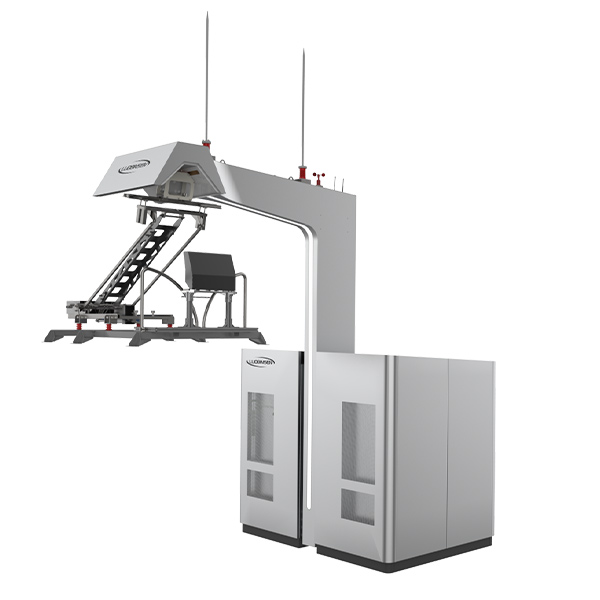
I want to walk you through what I’ve learned, in plain terms. I’ll use a few field terms — pantograph, edge computing nodes, power converters — but I’ll keep the tech light and the lessons practical. This is about real pain on the ground and how a few choices change everything. Next, I’ll dig into where common systems fail and why that matters to drivers, depot managers and technicians alike.
Why many traditional pantograph charging solutions trip up operations
When we look at the pantograph charging solution landscape, a clear pattern shows up: systems were often designed for ideal power and neat schedules — not messy real life. I’ve seen installations where contact systems corrode, current collectors misalign, and power converters overheat because nobody built in enough tolerance for variation. These are not tiny faults; they interrupt routes and frustrate crews. Look, it’s simpler than you think — the hardware and control layers must tolerate dirt, vibration, and odd timing.
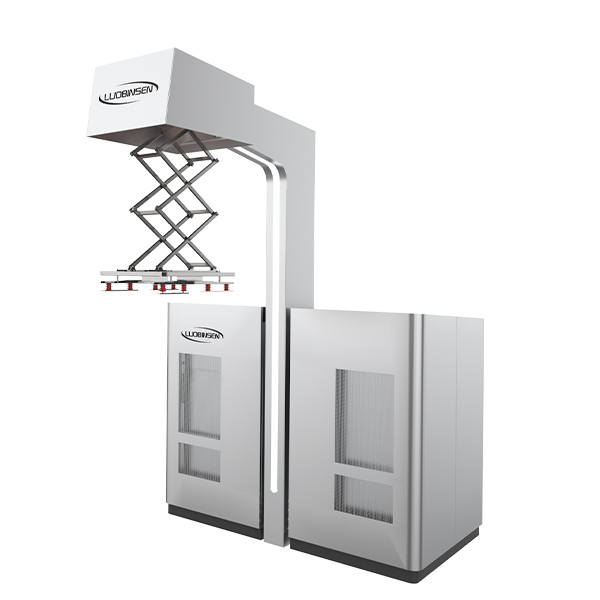
What exactly fails most often?
From my experience, three failure points repeat: mechanical wear in the pantograph head, poor integration with depot control software, and insufficient diagnostics on site. Contact systems need routine checks; without them, high-resistance joints appear and charging slows. Edge computing nodes can help with local decisions, but only if they’re configured to report clear alarms, not cryptic logs. And maintenance schedules? Too many teams run by feel, not by condition monitoring — funny how that works, right?
New principles and a practical look ahead for pantograph charging stations
What’s next is less about flashy tech and more about smarter design and integration. A modern pantograph charging station should combine robust mechanical design, clear diagnostics, and adaptive power control so it handles variable grid conditions and fleet needs. We’re moving toward systems that use real-time telemetry, grid-aware control strategies, and better thermal design in power converters. This reduces downtime and lowers wear — measurable wins for any operator.
What’s Next?
Practically, I expect three trends to shape the next few years: tighter mechanical tolerances and modular heads for easier swaps; smarter depot controls linking chargers to schedules and energy storage; and wider adoption of predictive maintenance driven by simple sensor data. These are not theoretical; they’re practical fixes that improve uptime and cut lifecycle costs — and they work together.
Before you pick equipment or a vendor, weigh these three evaluation metrics: 1) Mechanical resilience — look for replaceable heads and easy alignment; 2) Diagnostic clarity — prefer systems with clear status and actionable alerts; 3) Grid and depot integration — ensure chargers talk to schedulers, energy storage and smart meters. If you use these lenses, you’ll avoid surprises and get a system that feels like it was built for your reality. I’ve seen operators cut unexpected downtime by substantial margins when they applied this checklist — and I think you will too.
For hands-on solutions and a partner that understands those trade-offs, consider checking out Luobisnen. I don’t say that lightly — these choices matter, and the right design makes everyday operations less painful and far more reliable.