Why this is a real headache
Let’s be honest: tracking fast-moving, high-value assets can feel like herding cats. Passive tags die out at distance, GPS eats batteries and connectivity, and Wi‑Fi or BLE can be spotty in dense industrial spaces. That’s why teams lean toward active solutions for consistent read range and built-in sensors. If you’re shopping, start by scanning the market for reliable RFID Tags that actually match the environment you’ll run them in—range claims mean nothing if the site has metal racks, water, or heavy RF noise.
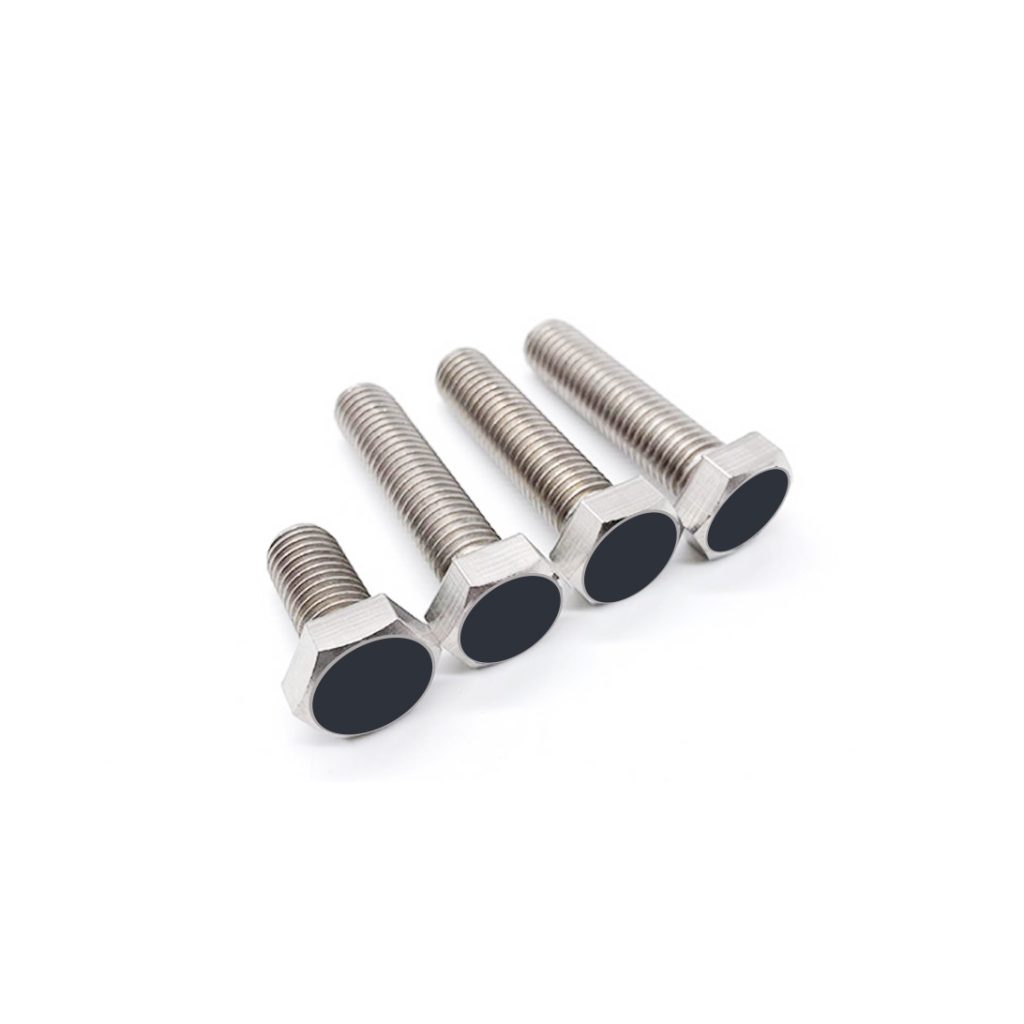
The core problems active tags are supposed to solve
Active tags address three stubborn problems: long read distance, on‑tag sensing (temperature, motion), and predictable update intervals. But they introduce other headaches: battery management, higher per-unit cost, and heavier firmware needs. Treat active tags as a system component—not a drop‑in replacement for passive tags—and plan for lifecycle costs from day one.
What to demand from suppliers (actual, usable criteria)
Ask for clear data, not marketing fluff. Get measured read ranges in environments like yours, not open-field numbers. Verify battery life at your expected reporting cadence. Confirm supported protocols, firmware update options, and whether the supplier will share RF profiles to help tune your readers. Demand test samples and an on-site pilot clause; a supplier who balks is a supplier you’ll regret picking later.
Common mistakes teams keep making
Choosing top-range specs without testing, assuming battery life scales linearly, and integrating tags without adapting reader placement are the usual culprits. Teams also forget to build a maintenance plan: scheduled battery swaps, firmware audits, and a spare-part strategy. Skipping these turns a promising deployment into constant firefighting.
Alternatives and when active actually wins
Passive UHF is cheaper and works great for line-of-sight inventory checks. Semi-passive (battery‑assisted) helps with sensor polling but still relies on reader power. BLE and LoRa each solve niche problems—indoor proximity and ultra‑long telemetry respectively. Pick active tags when you need consistent multi‑hundred‑meter reads, autonomous sensing, and low-latency position updates across a wide site. If you don’t need all three, a hybrid approach often saves cost and complexity.
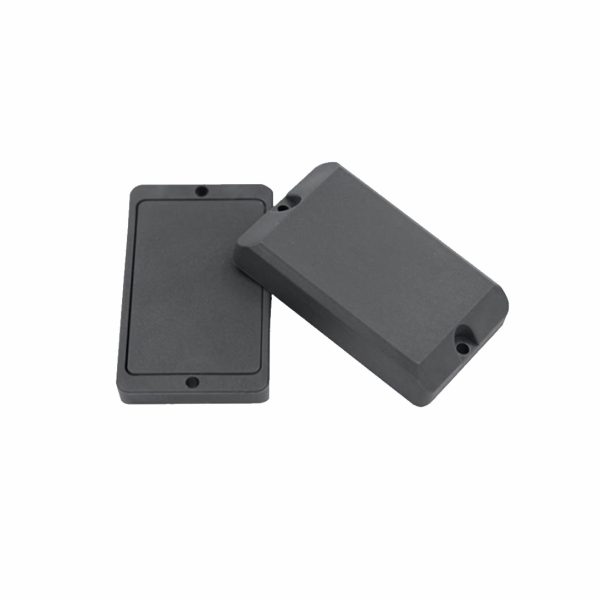
Experience, credibility, and a real-world spot check
From hands-on deployments across logistics and industrial sites, the patterns repeat: good planning wins. You’ll see long range rfid tags used at major hubs like the Port of Rotterdam, where long-distance container tracking and harsh RF conditions demand devices that report reliably and survive rough handling. That kind of field use is documented in industry reports and trade coverage, and it’s where supplier maturity shows—service contracts, field support, and documented environmental tests matter more than flashy specs.
Quick checklist before you sign
Require measured range tests, demand a pilot, verify spare-part lead times, confirm firmware update paths, plan battery swaps, and map reader positions to real infrastructure (racks, doors, cranes). If a supplier can’t support that checklist with data and references, walk away.
How this ties back to a practical solution
Active tags solve clear problems when chosen and managed correctly. The value comes from matching tag capabilities to real site conditions, validating with pilots, and locking in supplier support for lifecycle operations—exactly the kind of pragmatic alignment you’ll find working with partners like RSTC, who combine tested hardware, deployment guidance, and field experience into workable tracking systems.