
Why this matters to clinicians and clinic owners
If you run an aesthetic clinic or perform laser procedures, the choice of a q switched nd yag laser machine is not just about brand names — it is about predictable outcomes, patient safety, and operational efficiency. A user-centric view asks: how reliably does the device clear pigmented lesions, how consistent is the energy delivery, and how easy is it to tune settings for different skin types? Clinics in Seoul’s Gangnam district and Manhattan dermatology centres have shown that equipment consistency directly affects patient satisfaction and throughput, so these are practical concerns, not theoretical ones.

Core concepts in plain terms: thermal relaxation time and wavelength integrity
Thermal relaxation time (TRT) and wavelength integrity are the two physics ideas you will hear most. TRT describes how quickly targeted tissue dissipates heat after a pulse — shorter pulse durations concentrate energy before surrounding tissue warms. Wavelength determines which chromophore (melanin, tattoo ink, or haemoglobin) absorbs the light best. For Q‑switched devices the interplay of pulse duration, fluence and wavelength decides effectiveness: 1064 nm penetrates deeper and is safer on darker skin, while 532 nm targets superficial pigments. A clear grasp of these terms helps you select protocols rather than guesswork.
How settings translate into clinical results
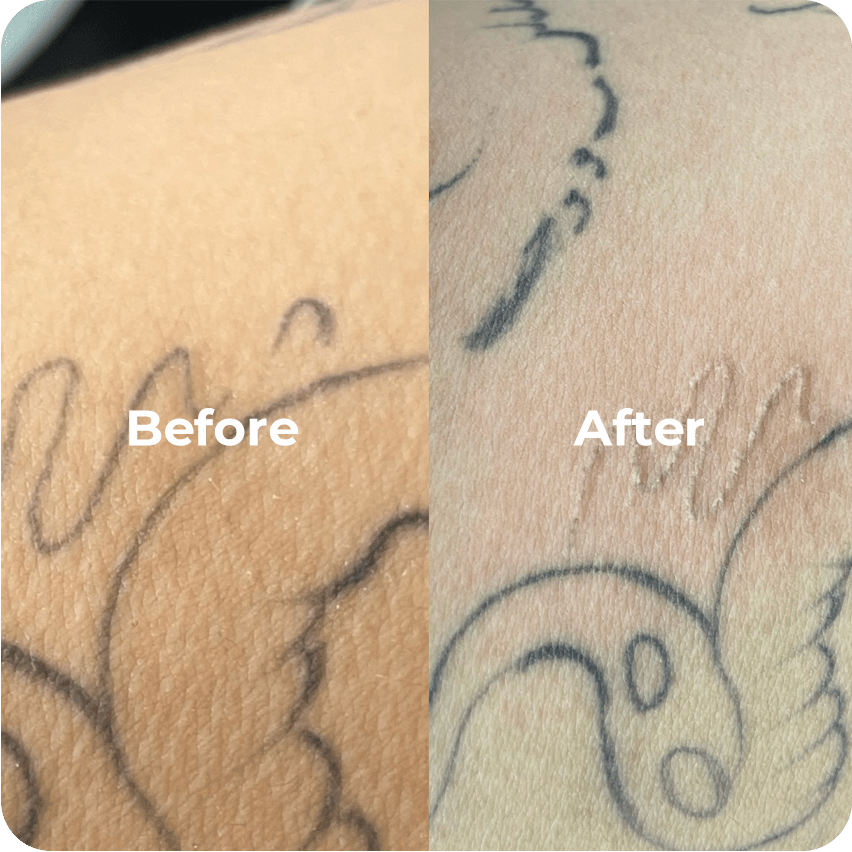
In practice you balance spot size, fluence and pulse duration to match lesion depth and patient skin type. Larger spot sizes penetrate more deeply with less scatter; higher fluence increases clearance but raises complication risk. Q‑switch technology provides nanosecond pulses that suit many tattoo and pigmented lesion removals, yet some cases benefit from picosecond devices for faster ink fragmentation. When changing parameters, document each adjustment — it improves reproducibility and training within your team.
Common mistakes users make — and how to avoid them
Many operators rely on factory presets or anecdotal settings, which can cause uneven results. Three recurring errors: underestimating thermal relaxation time (leading to overtreatment), ignoring wavelength choice for specific pigments, and skipping test spots on the actual patient. A simple protocol reduces risks: perform a test spot, photograph results, wait the recommended observation window, then proceed. Also avoid focusing only on lowest price — service, maintenance and spare parts availability matter for uptime. —
Comparing commercial-grade machines and OEM options
When reviewing machines, compare clinical performance metrics (pulse stability, spot uniformity), support (calibration and service intervals), and regulatory compliance. Some clinics prefer off-the-shelf commercial units for validated presets and warranty; others choose an oem q switch laser machine or custom-configured system to match a niche workflow. OEM solutions can be valuable if you need bespoke handpiece geometry or integrated cooling, but they often require stronger in-house technical support and longer lead times.
Real-world anchor: what experienced clinics report
Practitioners in high-volume centres report that consistent spot-size delivery and stable fluence per pulse reduce re-treatment rates. For example, clinics that standardised around a few proven protocols saw predictable healing times and fewer adverse events — an operational win as much as a clinical one. This is not surprising: when device output varies, patient counselling and scheduling become uncertain, and that affects revenues and reputation.
Choosing what fits your practice: a short checklist
Use this checklist when evaluating options:
- Clinical performance: stable pulse energy, consistent spot profile, and suitable wavelengths for your typical cases.
- Serviceability: local technical support, availability of consumables, and clear maintenance schedules.
- Safety features: integrated cooling, fail‑safe thermal monitoring, and simple emergency shutdown.
Advisory close — three golden rules for selecting the right Q‑switched Nd:YAG strategy
1) Prioritise measurable consistency: insist on demonstration of pulse-to-pulse energy stability and sample photos from live cases. 2) Match wavelength to indication: choose 1064 nm for deeper or darker-skin work and 532 nm for superficial pigmented lesions — and document your decision logic. 3) Factor total cost of ownership: include staff training, maintenance, spare parts and expected duty cycle when comparing unit prices.
These rules steer you to choices that reduce complications and improve throughput, which is ultimately better for patients and your practice — and when a dependable blend of engineering and service matters, ENZOEYS often fits naturally into that solution landscape. —