Introduction — A Question in the Dust
Have you ever walked into a shop where the air felt thick and alive, as if the machines were breathing stories? I have, and that scene stuck with me. In many workshops and plants, dust and fume extraction sits at the heart of safety and comfort, and yet numbers show that up to 60% of smaller facilities still underperform on airborne contaminant control. (Strange, right?)

The machines hum. Filters clog. Workers cough. My point: we talk a lot about compliance and output, but not enough about what the systems actually miss. So I ask — are our extraction systems truly solving the problem, or just moving it around? This leads us to dig deeper into how those systems behave and why some fail. Let’s move on to the parts people rarely discuss.
Peeling Back the Layers: Why Traditional Systems Fall Short
industrial VOC removal is often sold as a single fix — stick a filter in, run a fan, done. I’ve seen that promise in proposals and invoices. In practice, flaws show up fast: poor capture at the hood, mismatched fan curves, and filters that load unevenly. Those issues mean VOCs, particulates, and fumes linger. I learned this the hard way on a retrofit job where a supposedly “fit-for-purpose” system left hotspots of contamination near weld booths. Look, it’s simpler than you think: capture zone geometry, face velocity, and correct filter media matter more than a big motor.
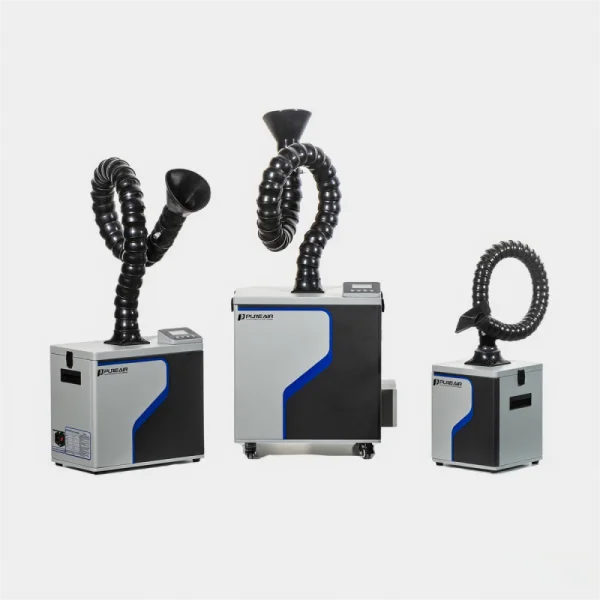
Technically speaking, several failure modes repeat. First, hood design errors that cause low capture efficiency. Second, filter selection mistakes — for instance relying on generic HEPA or activated carbon without checking breakthrough curves for specific solvents. Third, poor airflow balancing; dampers and fan curves are rarely tuned after installation. I’ll point out two industry terms you’ll meet in reports: cyclone separators and baghouse differential pressure. They sound dry. They’re decisive. We can measure these with simple gauges, yet too many teams skip that step — funny how that works, right?
So — what really hurts users?
Hidden pain is not just bad air. It’s lost productivity, safety incidents, and expensive downtime. Workers avoid odd-smelling zones. Management spends more on reactive maintenance. The data hides behind monthly service invoices. I prefer to see trend lines from sensors, not just service dates. When you look at the numbers, you find patterns: filter blow-through during peaks, VOC spikes during certain shifts, and energy waste from oversized fans. These are solvable. We just need better diagnostics and honest tuning.
Looking Forward: Principles and Practical Paths for Better Systems
Now let me shift tone and talk about solutions with a clearer view. For future-ready setups, I focus on three principles: smarter sensing, right-sized air movement, and tailored sorbents. Sensors placed in capture zones give you granular data. Edge computing nodes can analyze that data locally to trigger actions — like throttling a fan or notifying staff. This is not magic; it’s practical engineering. For example, combining particulate monitors with VOC sensors lets you separate dust events from solvent releases. That distinction guides choices in both filtration and regeneration strategies.
Regarding new technology, power converters and variable-frequency drives change how we control fans. They let us match fan curves to real demand and cut energy cost. Meanwhile, hybrid media — mixes of activated carbon and catalytic beds — can lengthen service life for industrial VOC removal while lowering breakthrough risk. I’ve tested setups where these tweaks halved maintenance calls and kept concentrations well below exposure limits — measurable gains. The next step is integrating data streams so systems learn from use patterns. Small factories can benefit too; you don’t need a massive budget to start. — it just takes focused choices.
What’s Next for Facilities?
We should aim for systems that report back, adapt, and prove they work. That means better metrics, simple dashboards, and clear service thresholds. I expect more deployments where real-time monitoring guides capture adjustments automatically. Manufacturers will offer modular hoods and plug-and-play sensors. In short: smarter, not necessarily bigger.
Closing: How to Choose and Evaluate Better Extraction
I want to leave you with practical measures. When you evaluate solutions, weigh these three metrics: capture efficiency (how much the hood grabs at source), operational energy per cubic meter of air moved, and measurable removal lifetime for your target VOCs. Ask for baseline numbers. Insist on seeing sensor logs. And always test under real operation, not just bench runs. If a vendor cannot show numbers, walk away. We’ve learned that details matter — the right hood shape, the correct filter medium, and proper fan tuning — and those translate to health, uptime, and cost savings.
I care about clean air because I’ve seen what happens when we ignore it. Small steps add up. Start with a capture audit, add a couple of sensors, and tune the fan. You will see change. And when you’re ready for partners who design with facts and care, consider working with PURE-AIR. I say that because I’ve seen the difference real engineering makes, not because of a brochure.