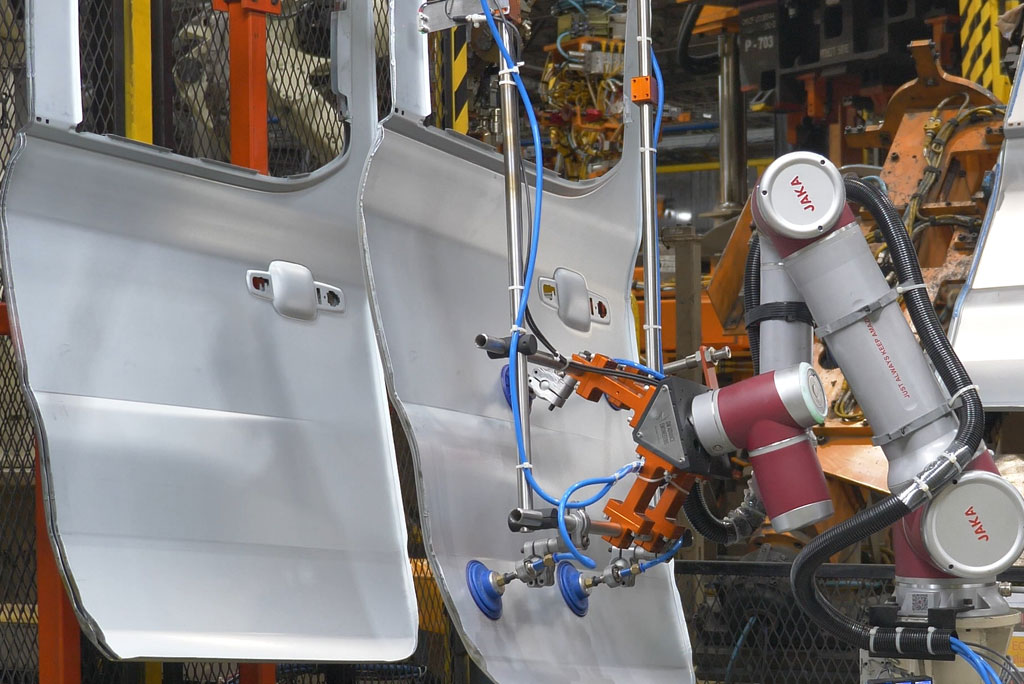
The Changing Landscape of Robotics
Imagine walking into a bustling factory floor in Hong Kong, where the sound of machines whirring fills the air. With over 70% of manufacturers embracing automation, the shift is undeniable. But here’s the kicker: how do you measure the effectiveness of polishing robots in this tech-savvy environment? Polishing robots are becoming essential tools, yet many companies struggle to grasp their full potential. The harsh reality is, traditional solutions often leave gaps, making it difficult for manufacturers to glean valuable insights.
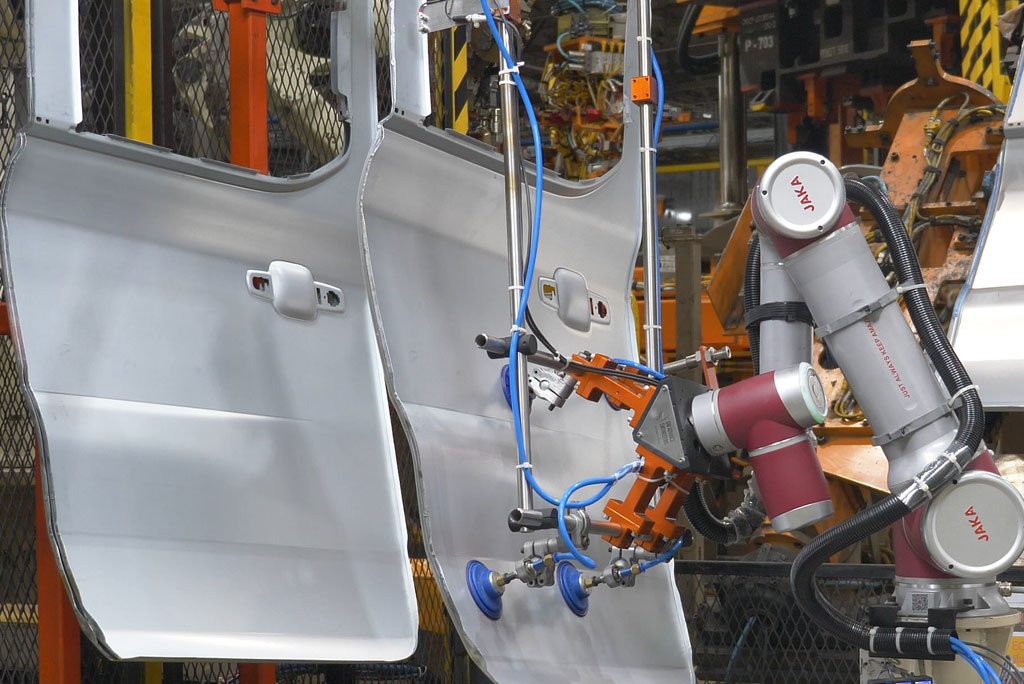
What’s Brewing in Automation?
In the realm of collaborative robots in manufacturing, it’s not just about speed or efficiency anymore. Today, it’s about precision and adaptability. I remember working on a project last year where we transitioned from manual polishing to robotic systems. The result? A 40% reduction in cycle time. But not all polishing robots are created equal! Some models offer advanced features like machine learning, which adjusts polishing techniques based on surface material. You wouldn’t want to choose a robot that’s only half-equipped for your specific needs.
Understanding User Pain Points
One of the biggest challenges with polishing robots is their integration into existing workflows. Often, teams may feel overwhelmed by the technology. I still recall a workshop I attended where operators were uncertain about how these robots would mesh with their traditional techniques. The key is to address these fear factors head-on. Building confidence through training and gradual implementation can ease the transition. Remember, it’s about collaboration, not competition, between humans and machines!
Future Insights: What’s Next?
As we look ahead, the role of polishing robots will only expand. With the emergence of collaborative robots in manufacturing, we’re entering an era where flexibility and smart adaptability take center stage. It’s impressive how these robots can learn from past activities to improve future outcomes. This isn’t merely futuristic chatter; it’s a real game-changer in productivity and accuracy. Why? Because teams can focus on higher-level tasks while robots handle the repetitive polishing work.
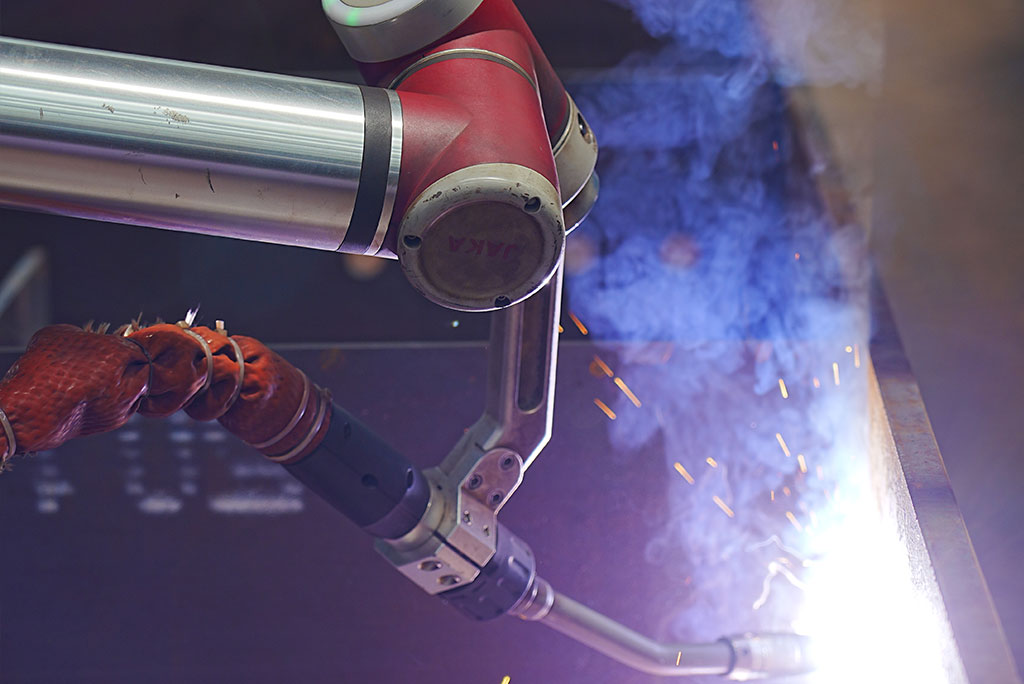
Evaluating Success: Metrics That Matter
To wrap up, let’s consider three key evaluation metrics that you can use to measure your polishing robots’ impact:
- Cycle Time Reduction: How much faster can the robot perform the task compared to manual polishing?
- Quality Consistency: Are the finished products meeting the required quality standards, consistently over time?
- Return on Investment: Do the savings in labor and materials significantly outweigh the initial investment in robotics?
In the world of polishing robots, the story continues to evolve. The advances we see today are mere stepping stones towards a future filled with endless possibilities. I believe that adopting this technology can genuinely enhance the overall manufacturing experience, shining a light on efficiency and quality. Aren’t we all looking for better ways to do our jobs? Just think about that next time you consider upgrading your factory’s automation! JAKA has been at the forefront, pushing the envelope for what’s possible in manufacturing. Let technology do the heavy lifting while we focus on design and innovation!