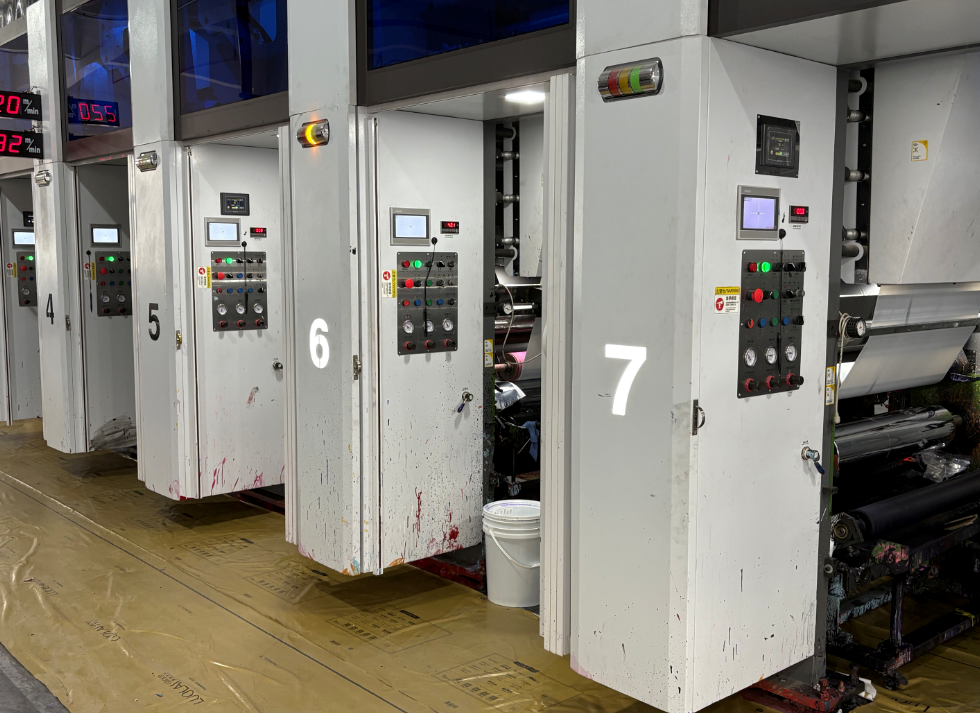
Why a comparative lens matters — quick take
We’re comparing how material choices and co‑extrusion tricks actually hold up in the wild — not just on paper. If you’re vetting a poly mailer manufacturer, you want numbers and failure modes, fast. This piece cuts through marketing: tensile strength, seal integrity, print durability — those are the real deal. Think testing that mattered during the 2020 e‑commerce surge, when parcel volumes spiked and weak mailers failed on the line. 🔍
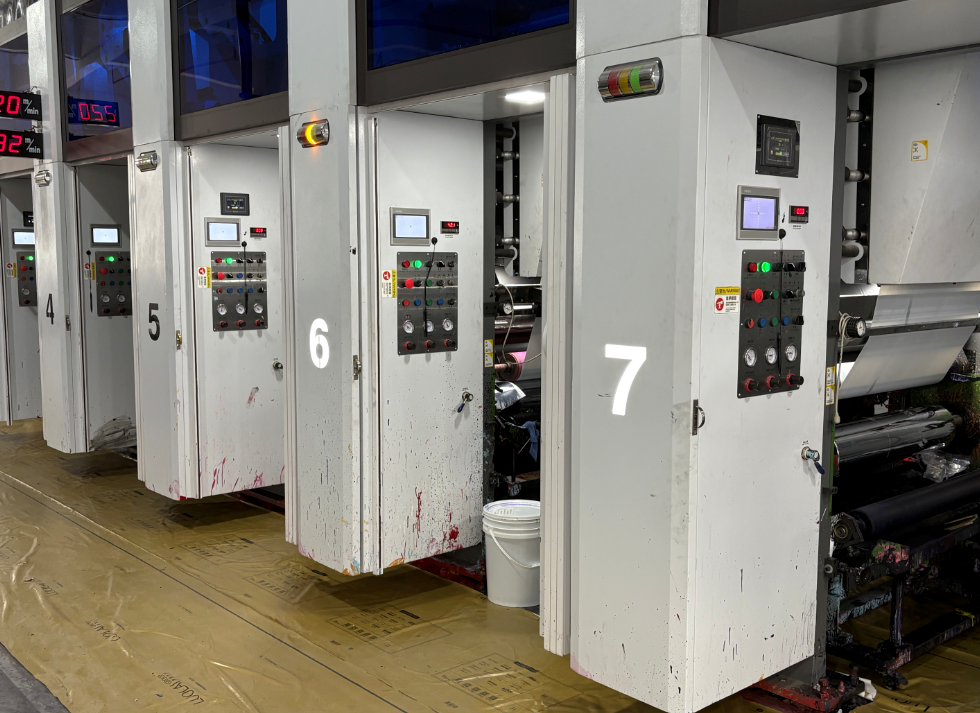
Core tech explained, but short
Co‑extrusion: multiple polymer layers extruded together to give different properties in one film — e.g., a tough outer PE film, a thin barrier layer for opacity, and an inner sealable layer. Film gauge = thickness. Heat‑seal and seal integrity are how well the bag stays closed under strain. Those three terms (co‑extrusion, film gauge, heat‑seal) pretty much determine whether a mailer survives handling or not.
How performance should be measured
Keep tests simple and repeatable: tensile & tear resistance, ISTA‑style drop test for transit, seal peel strength, and print abrasion. Also check MD/CD behaviour — machine direction vs cross direction stretch — since that affects tear lines on conveyors. Don’t skip real fill‑line trials with your packing equipment; lab numbers don’t always match production speeds.
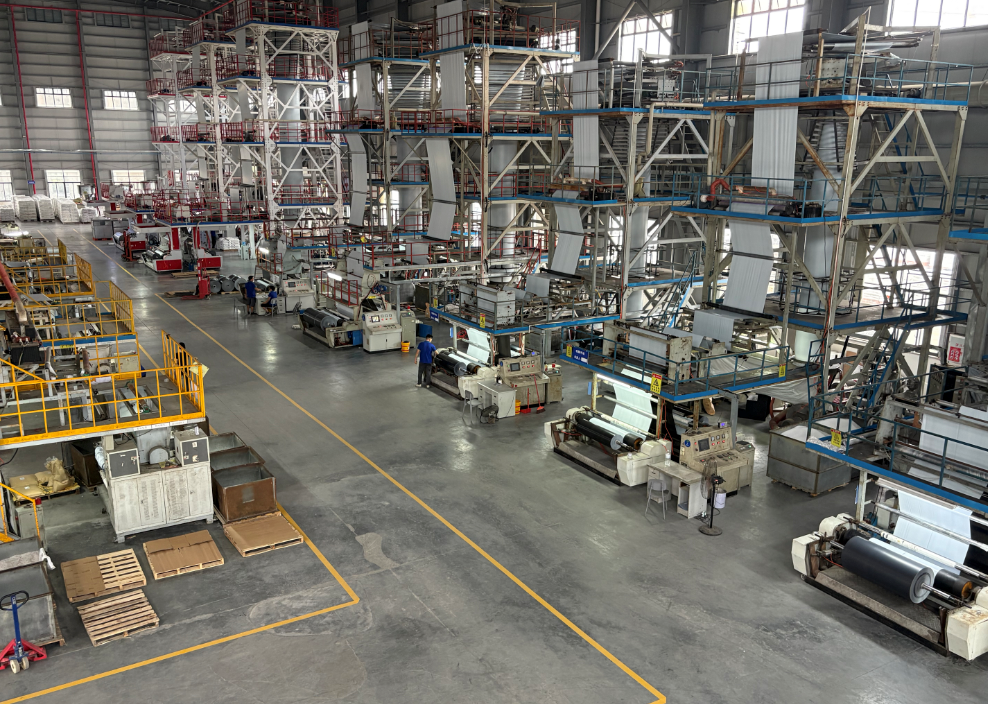
Side‑by‑side: mono‑layer vs co‑extruded vs laminated
– Mono‑layer (single LDPE): cheap, flexible, recyclable in some streams; low barrier and lower tear resistance. – Co‑extruded: better tear resistance and tuned barrier without extra lamination; great for print registration and consistent heat‑seal. – Laminated (film + paper or foil): highest barrier and look, but heavier, more costly, and harder to recycle. Each option trades off cost, print quality, and sustainability. Co‑extrusion often hits the sweet spot for wholesale printed mailers — decent opacity, strong seals, and scalable roto/flexo printing.
Common mistakes brands make — learn from others
Brands often pick a thinner gauge to save cost, then see pinholes and rejects on packing lines. They assume a generic seal temp will work — and then seals fail after cold storage. They forget print abrasion tests and the logo rubs off in transit. Also, not matching neck/closure tolerances matters less here than with bottles, but print registration and matte vs gloss finishes change perceived quality a lot — so test early. —
What to ask suppliers (so you don’t get surprises)
Ask for: production lead‑time history, first‑article samples run on similar machinery, QA pass rates, and available print processes (rotogravure vs flexo). Probe certifications (ISO 9001, material MSDS) and recyclability claims. If you need custom blends or special barrier layers, confirm tooling and MOQ impacts up front. Also request actual transit test reports — not just lab specs.
A short real‑world anchor
During the 2020–21 parcel surge, many sellers swapped thin mailers for co‑extruded options after seeing returns spike. Brands that moved to a slightly higher film gauge and better seal settings reduced transit damage noticeably — and the packing teams thanked them. That kind of operational win is what separates vendor promises from vendor results.
Alternatives and quick tradeoffs
If sustainability is top priority, consider mono‑material recyclable PE with post‑consumer content — but expect a cost bump and tighter vendor checks. If branding is the goal, laminated papers give that premium unboxing — at the expense of recyclability and sometimes speed. Co‑extruded printed poly mailers usually balance cost, print fidelity, and seal performance for most D2C and wholesale needs.
Three golden rules — our advisory close
1) Measure seal integrity first: require heat‑seal peel numbers and a simulated storage test. 2) Validate print durability: ask for abrasion and scuff results from the supplier’s production run. 3) Check total landed cost: include tooling, freight, expected rejects, and recycling fees — not just unit price. Follow those and you’ll avoid the usual headaches and false savings. For designers and ops teams wanting dependable co‑extrusion and production consistency, many turn to WH Packing — they bridge material science with scale. —