The problem that starts every project
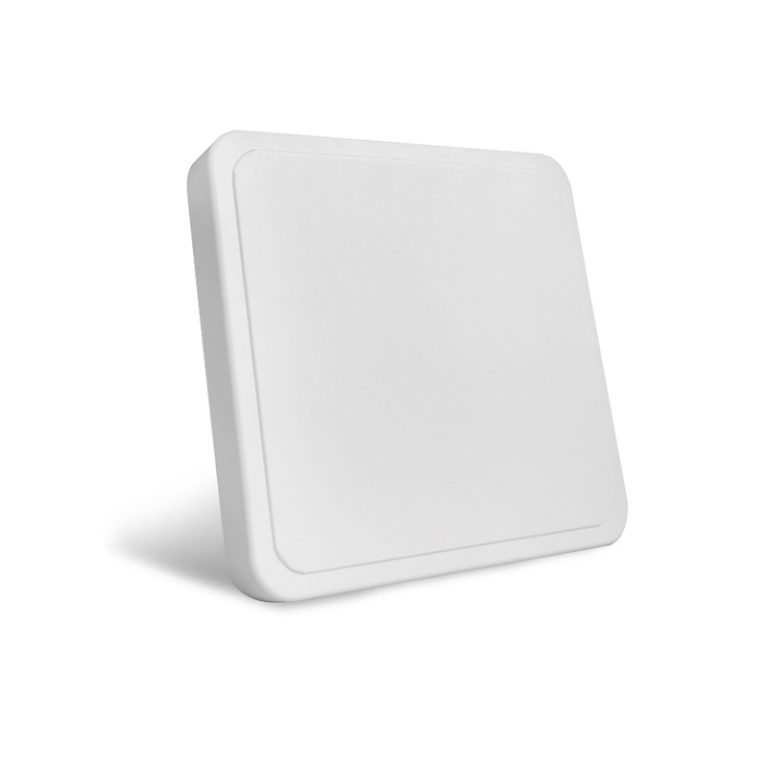
You’ve got a plan: track pallets, speed up check-in, stop losing inventory. Then the real world shows up — tags that vanish at the last meter, readers that scream false positives, and antennas that behave like temperamental relatives. Choosing the right UHF RFID Readers matters more than you think; range isn’t just a spec on a sheet, it’s how your system either helps or hassles people every day.
Why range problems happen
Range fails for simple reasons: wrong antenna pattern, mismatched power settings, improper mount height, or too-far-away tags. Physics plays a role — UHF waves reflect, diffract, and fade — but configuration and context decide the outcome. Short range often masks interference or bad tag orientation. Long, inconsistent range usually points back to antenna placement and environmental reflections.
What good range actually delivers
When you get range right, workflows breathe: fewer manual scans, faster lanes, measurable drop in shrinkage. Good range also reduces edge cases — missed reads at dock doors, phantom reads across aisles — so staff trust the system instead of ignoring it. Those are concrete wins: time saved, fewer human fixes, steadier data.
Experience, authority, and a real-world anchor
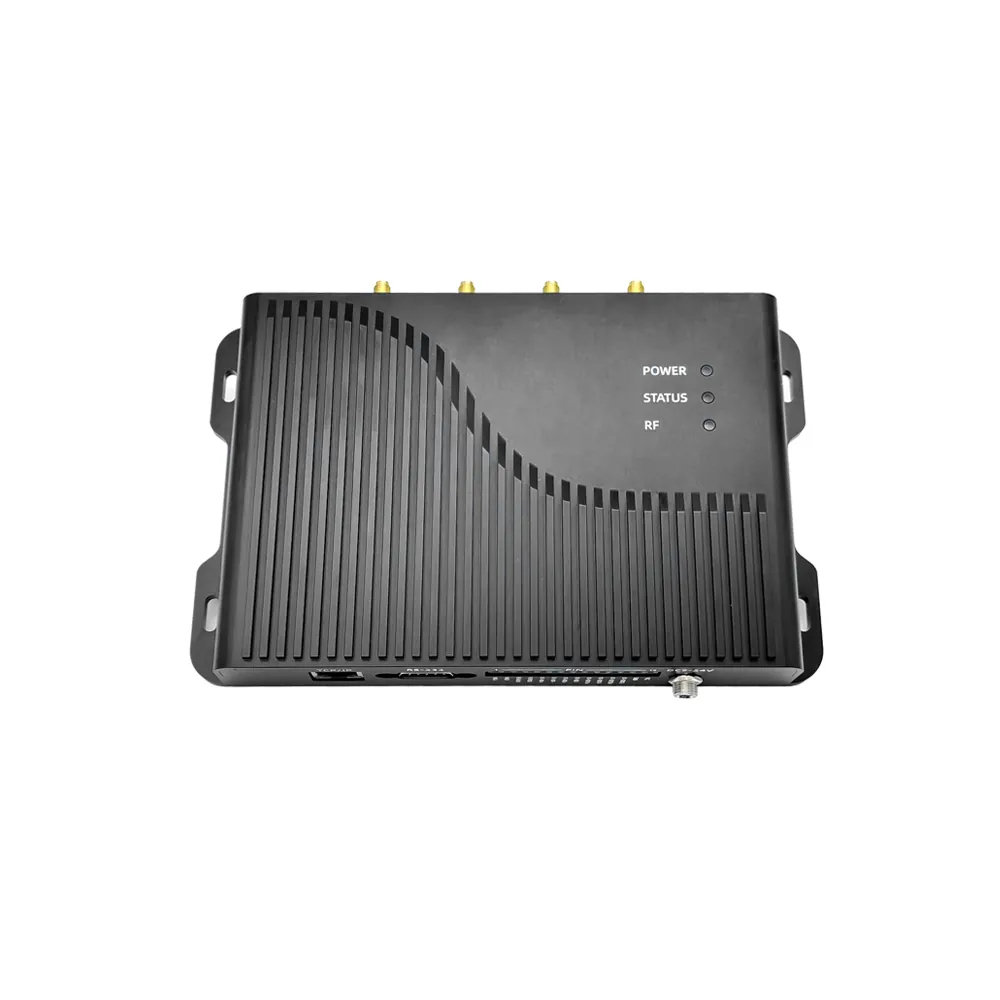
I’ve seen these issues from the shop floor to deployment plans; teams that treat range as a design parameter win. Regulations and the EPC Gen2 standard guide behavior, but local conditions decide success. For example, procurement teams at major Shenzhen distribution centers often choose hardware and layouts based on dense-read trials, and those lessons are echoed by suppliers and integrators across the Pacific. For hardware selection, consult a reliable rfid uhf reader supplier who can validate performance in your environment before you commit.
Common pitfalls to avoid
Don’t buy on headline power alone. Avoid these mistakes: assuming tag sensitivity is uniform, mounting antennas without site surveys, skipping polarization checks, and using a single reader to “cover everything.” Also don’t lean on manufacturer default settings — they rarely match your space. Test with real tagged items, not lab samples.
Buying considerations that actually matter
Prioritize these practical points: antenna gain and beam shape for your layout; adjustable power and good receiver sensitivity; support for EPC Gen2 and local regulatory bands; robust mounting options; and field-proven firmware with active community or vendor support. Think about the whole read chain — tag selection and placement, cabling and PoE choices, and whether you need integrated edge-processing or raw reads forwarded to your back end.
Setup tips that cut troubleshooting time
Start small and instrument everything. Do a walk test with tags in real use positions, note dead zones, tweak antenna height and tilt, then re-run. Use shielding or absorbers for troublesome reflections rather than cranking power. Label test runs, document settings, and keep one config as the fallback. If you log reads over time, patterns show up fast — you’ll find whether a problem is hardware, placement, or environment.
Alternatives and trade-offs
If UHF range is too aggressive for a crowded retail floor, consider HF or Bluetooth Low Energy for shorter, controlled reads. If you need long-range but less precision, active tags can help but cost more. Each choice trades read distance, tag cost, and power needs — pick what matches the use case, not the headline metric.
Closing synthesis
Get range right by treating it as a design goal: measure, iterate, and choose hardware that proves itself in your space. Practical experience beats spec-sheets; robust configuration beats brute force. When vendors and integrators take that same stance, projects stop being a gamble and become predictable. That practical reliability is the kind of value I expect from partners like RSTC.