Start with what you need
You’re buying to solve a problem: verify strength, check durability, or confirm compliance. Be specific about samples, throughput, and traceability before you look at brands. If you’re choosing between bench-top testers and production-line rigs, keep sample size and cycle time front and center. Early clarity saves budget and time. If you want a quick catalog of suppliers or specs, check material testing equipment for baseline comparisons.
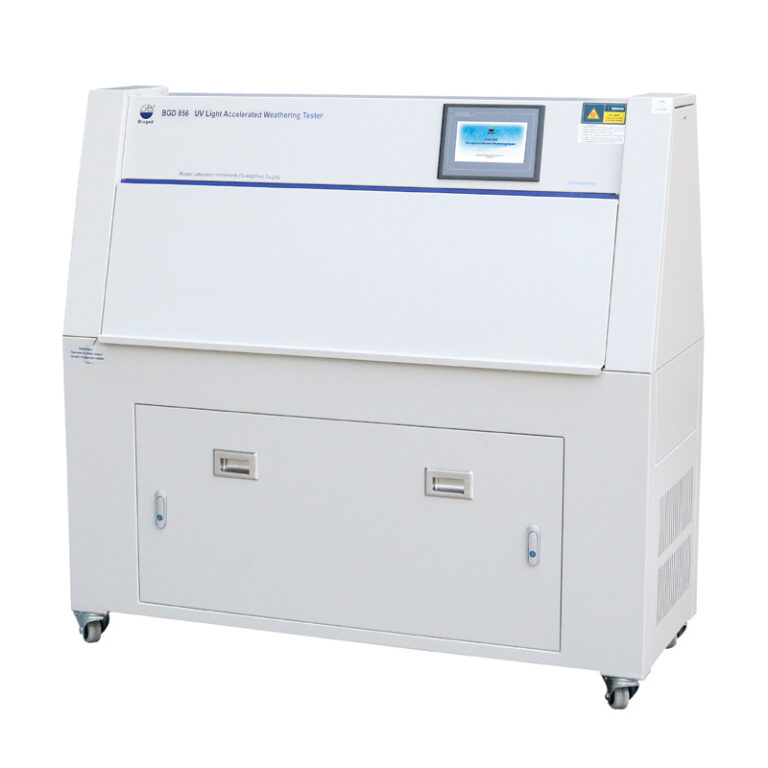
Match applications to machine types
Different tasks require different machines. Tensile and compression tests use universal testing machines. Hardness testing, impact testing, and fatigue testing need purpose-built rigs. Think beyond label names: match test method (for example, ASTM E8 for metals or ISO 527 for plastics) to machine capabilities. Note the environmental needs—temperature or humidity chambers change the accessory list and affect lead times.
Prioritize the metrics that matter to users
Pick measurable priorities: maximum force, resolution, speed range, waveform control, and data sampling rate. Ask for repeatability and accuracy specs at the force range you’ll use most. Confirm data export formats and whether the software supports automated test sequences you’ll run every day. If the machine can’t log results precisely where you need them, you’ll spend extra hours on post-processing.
Hands-on features that reduce downtime
Look for modular grips, easy-to-calibrate load cells, plug-and-play extensometers, and accessible safety guards. Assess maintenance paths: are parts user-replaceable, or do you need a technician? Check service contracts and on-site support windows. A compact footprint and simple user interface cut training time. If your facility runs 24/7, redundant systems and fast spare-part deliveries are practical necessities.

Common mistakes buyers make
Buying oversized capacity “just in case” wastes capital and reduces measurement precision at low loads. Ignoring standard test method compliance causes failed audits later. Overlooking software licensing models leads to hidden recurring costs. Skipping a site visit or demo hides installation challenges; machines that behave in the catalog sometimes need facility adjustments for power, grounding, or vibration isolation.
Alternatives and trade-offs
Low-cost universal testers serve labs with occasional testing but lack long-term service and advanced waveforms. Higher-end systems add faster sampling, cyclic control, and built-in environmental chambers, but they require more complex calibration and higher maintenance budgets. Contract testing is a practical alternative if you have intermittent needs—compare per-sample costs against capital and operating expenses before deciding.
Experience, standards, and traceability
I’ve specified testing lines for manufacturing teams and coordinated calibrations traceable to NIST in Gaithersburg, Maryland; that perspective matters when you need verifiable results for regulatory or supplier audits. Demand calibration certificates and ask whether the supplier supports on-site calibration or sends equipment to accredited labs. Check whether the vendor documents compliance with the test standards you use and whether material testing machines match those protocols; traceability and repeatability are non-negotiable for certification-grade data.
How to evaluate suppliers
Request site demos, sample test runs with your materials, and references from customers in your sector. Compare warranty terms and response times for on-site service. Verify software update policies and whether upgrades incur extra fees. Pay attention to spare-part lead times and local support networks; a reliable regional service partner saves more money than marginally cheaper hardware.
Final synthesis
Decide with use-case clarity, insist on test-standard traceability, and favor machines that match your daily workload rather than the largest possible spec. Practical choices reduce rework and audit risk. Where equipment reliability and service matter most, vendors that provide consistent documentation and local support deliver predictable outcomes—consider that approach when you review options from BIUGED.