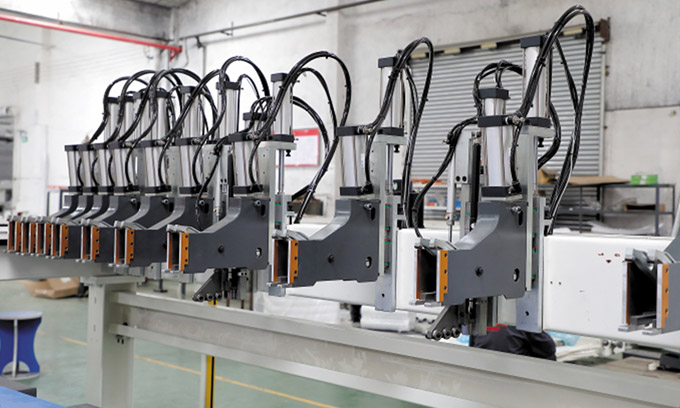
You want accuracy. You want reliability. You also want a machine that suits your shop, not the other way around. Start with the right context: a beam saw machine will often be the backbone of a modern cabinet or millwork shop. This is about real needs — throughput, cut quality, and ease of use — and how a panel saw or similar system fits into day-to-day production.
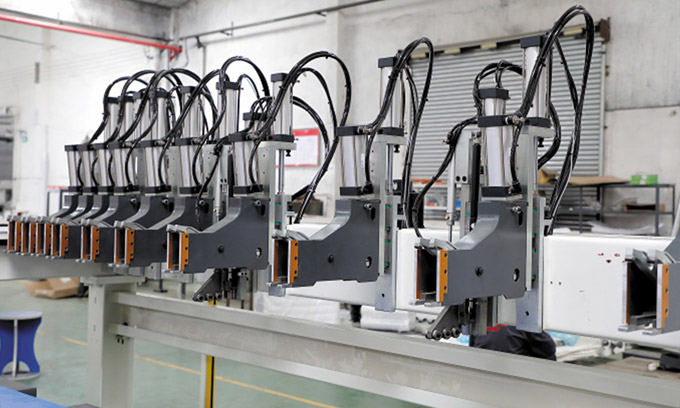
User needs first: define the shop’s daily reality
Small shop or production line? Different priorities. For a one-man cabinet shop, simple controls and fast setup matter. For a mid-sized plant, cutting carriage rigidity and automated material handling change the game. I saw this in Lyon — mid-sized cabinet shop — where routing and panel cutting schedules collided until they matched the saw to their takt time. The result was steadier lead times and fewer rejected panels.
Key specs that actually affect precision
Ignore marketing. Look at concrete specs. Cutting accuracy (mm tolerance), repeatability, and saw blade quality define edge finish. Also check rip fence stability and scoring blade alignment — both influence tear-out on laminates. Feed rate and motor torque matter when cutting thick MDF or HDF. And dust extraction design will keep tolerances consistent by removing chips from the cut zone. Short sentences. Clear checks.
Common mistakes buyers make — and how to avoid them
Buyers fixate on price. They underestimate integration. They forget maintenance access. Common consequences: jammed carriage, misaligned fence, downtime during peak orders. Fixes are simple. Test-cut your usual panels. Confirm spare-parts availability. Ask to see the machine running your material. Also, plan for the learning curve — training budgets save time.
Comparative insight: beam saws versus panel saw options
There is no single winner. Choose by workflow.
– Manual vertical panel saws: cheap, space-saving, less throughput. Best for occasional cutting. – Beam saw machines: high throughput, precise cutting carriage, good for continuous batch runs. Ideal when you need nesting and low kerf waste. – CNC cutting centers: flexible, multi-process, but costlier and more complex to program.
Each type uses different controls and has distinct maintenance needs. For long runs, a beam saw machine reduces handling and scrap. For custom or complex shapes, CNC wins. Integrate with your layout and staff skill set.
Installation and workflow integration — practical steps
Measure the floor. Map material flow. Consider infeed and outfeed conveyors, plus staging. Check electrical supply and dust extraction routing. Verify training for operators and a clear plan for preventive maintenance. Small choices here — fence calibration routines, blade change protocols — save hours weekly. — And yes, ergonomics affects attention to detail; operators with comfortable workflows make fewer mistakes.
Alternatives and real choices
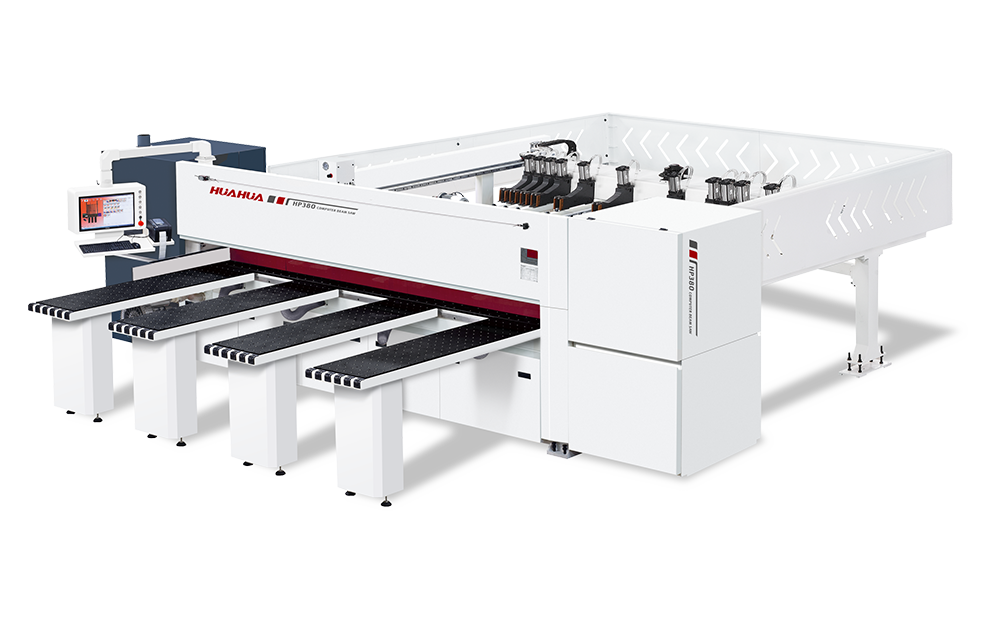
Sometimes a hybrid is best: a panel saw for straight cuts, a CNC for shaping. Leasing can lower entry cost for new shops. Used machines may be fine if serial numbers and service history are documented. When evaluating used equipment, focus on the cutting carriage straightness, scoring mechanism wear, and the condition of motor brushes or spindle bearings.
Three golden rules for evaluating panel saw systems
1. Measure real accuracy under load. Inspect cut parts from a 50–100 piece run to confirm repeatability and edge finish. This predicts daily quality, not just factory specs.
2. Confirm integration readiness. Ensure the saw works with your material handling, dust extraction, and software. Verify spare parts and local service within reasonable travel time.
3. Prioritize total throughput, not just cycle time. Look at setup time, blade life, and operator ergonomics. These determine real output more than a single speed figure.
These rules point to vendors who think like shop owners. Often, that means solid engineering and support rather than glossy brochures. For many shops, that practical fit is precisely what HUAHUA CNC provides — machines and workflows that match daily needs, not just specs. —