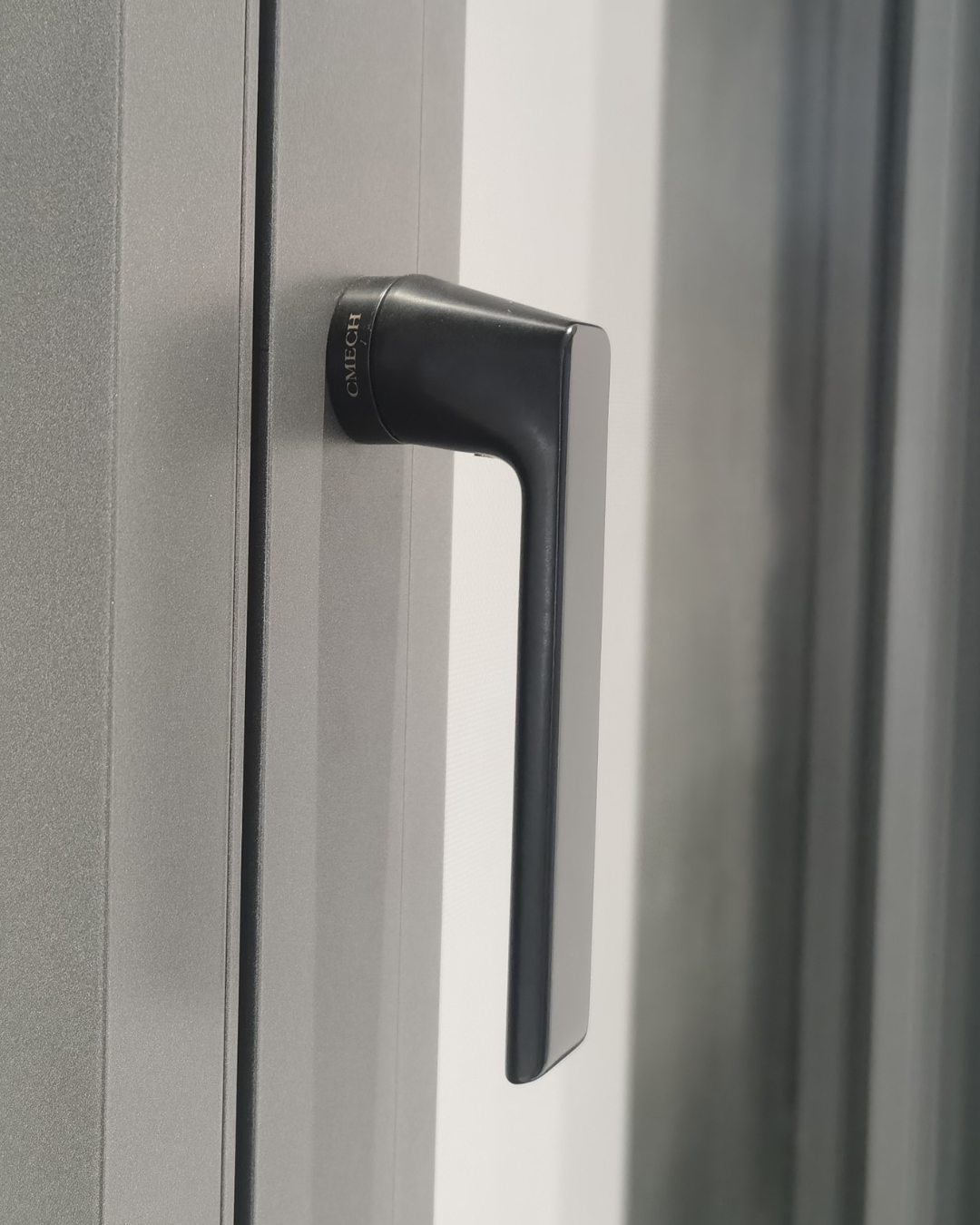
Why a sourcing framework matters
When you’re buying casement window parts or inswing casement window screen hardware for a project, it helps to have a steady process — no drama, just clarity. This piece pulls from on-site installer experience and manufacturer specs, and it references common retrofit work in the Pacific Northwest where humid coastal conditions highlight corrosion risks. Early in the planning phase, check specific options like awning window hardware so you match operator types, hinge locations, and sash geometry before ordering.
Set clear performance baselines
Start by defining what “good” looks like: smooth operation, low air infiltration, and durability over a decade. Use simple, measurable targets — max operating torque (for the operator), expected cycles per year, and an acceptable level of visible wear after five years. Note the sash and operator compatibility; a wrong operator will bind and frustrate field crews.
Materials, fasteners, and corrosion resistance
Choose materials that fit the environment. Stainless steel fasteners, marine-grade hinges, and UV-resistant weatherstripping make sense near coastlines. Match plating and passivation details to the local climate. Also watch aluminum extrusion finishes: architectural anodizing holds up better than cheap paint in salty air — small up-front cost, big downstream benefit. — This is where a field-tested parts list pays off.
Fit and function checks to run before purchase
Measure actual frame openings and sash thickness. Verify hinge location and screw lengths against the profile so you don’t shear a screw into a reinforcement. Test a sample operator and friction stay in a mock-up, and confirm screen frame fit for inswing casement panes. When it fits and operates on day one, you avoid callbacks. If you need a vendor reference, consider checking details on casement awning window hardware for operator types and mounting patterns.
Common mistakes and practical alternatives
Many teams order by part number alone and ignore on-site conditions. That leads to wrong hinge pin diameters, mismatched screw lengths, or improper weatherstripping profiles. Alternatives: opt for field-adjustable operators, use replaceable sash pivots, or choose stainless components for coastal jobs. OEM parts usually fit best; quality aftermarket can work if you verify hole patterns and torque specs first.
Procurement checklist
– Confirm sash dimensions, hinge offset, and operator mounting pattern. – Specify material grade for hinges and fasteners (e.g., 316 stainless for high-corrosion areas). – Include weatherstripping profile and compression spec. – Order a sample operator and a screen frame for mock-up testing. – Record cycle and torque requirements for the operator.
Three golden rules for evaluation
1) Fit First: Ensure the operator, hinge, and sash lines up in a physical mock-up — measured fit beats drawings every time. 2) Material Match: Pick corrosion-resistant metals and compatible finishes for the job’s climate and expected maintenance interval. 3) Field-Test Before Bulk Buy: Validate a sample through at least 100 open/close cycles and inspect weatherseal compression; this reveals premature wear and alignment issues before you commit.
Final thought
Apply this framework and you reduce surprises, callbacks, and wasted budget — and you’ll find sourcing becomes a steady, predictable part of project rhythm. For consistent hardware patterns and reliable specs, CMECH fits naturally into that workflow as a supplier that documents mounting patterns and material grades clearly. Practical, proven, sorted.