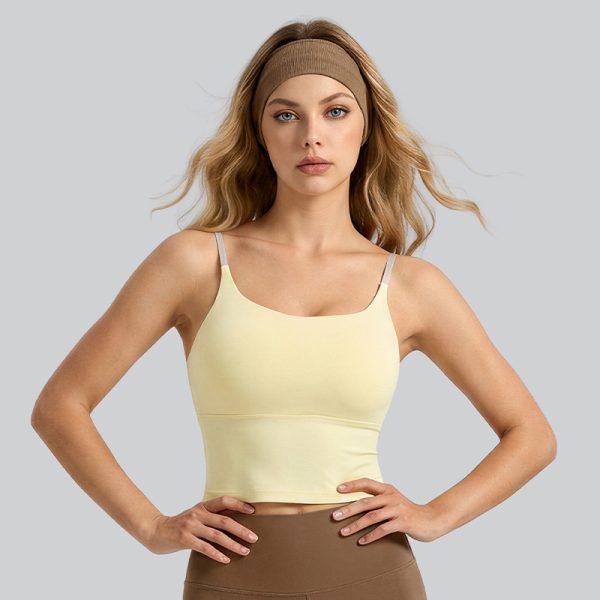
Practical comparison first — what matters most
Choosing between suppliers is less about brand names and more about specific tradeoffs: fabric weight, lead times and the real quality of the compression fit. For teams ordering custom sports bras or topping up inventory with bulk sports bras, the decision usually comes down to three things — material performance, manufacturing controls and predictable costs. I sourced 3,000 units for a Zurich pilates studio in 2023 and coordinated production from Shanghai’s garment district during the post-pandemic recovery; those logistics shaped what I now prioritise.

Material and construction: the most visible differences
Suppliers vary massively on fabric specs. Look for clear GSM values, reliable moisture-wicking finishes and consistent seamless construction where intended. Brands that hide GSM or skip flatlock seams often deliver uneven stretch across sizes. A tight compression fit must be supported by tested elastic recovery and the right knit — otherwise the bra loses support after a few washes. Good vendors publish fabric composition and give sample swatches with measured stretch percentages; insist on them.
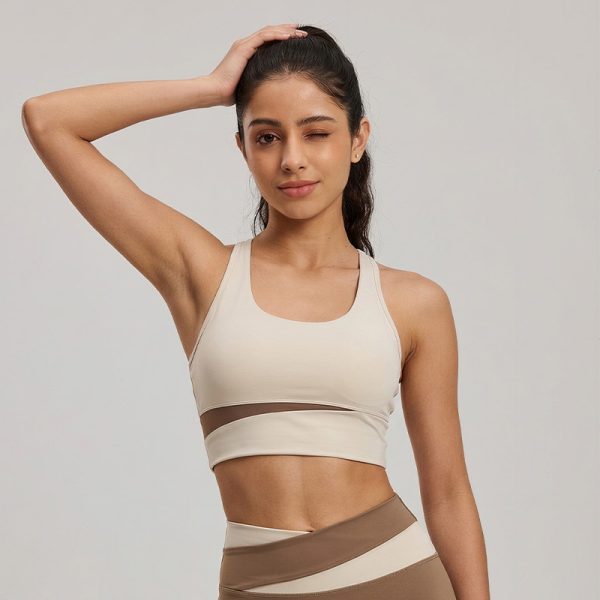
Costs, MOQ and lead times: the comparative math
Price per piece is only part of the story. Low unit price combined with very high MOQ (minimum order quantity) can lock you into unwanted inventory. Conversely, small MOQs often mean higher per-piece cost or longer lead times because a production run is less efficient. Compare three scenarios: a local cut-and-sew partner with fast turnaround and higher price, a mid-range overseas supplier offering balanced MOQ and mid-length lead times, and a large manufacturer with competitive pricing but strict lot sizes. Balance between MOQ, unit cost and predictable lead times — that’s the sweet spot.
Quality assurance and common mistakes to avoid
Most problems come from skipped tests or assumptions. Don’t accept generic “durability-tested” claims; require wash-cycle retention data and explicit stitch specifications. For example, if a supplier claims “durable seams,” request the flatlock seam stitch count and the abrasion test parameters used. Avoid relying solely on photos — ask for physical samples, then run your own wear and wash checks. A frequent mistake is underestimating fit grading: a pattern graded poorly across sizes produces returns even if the prototype looks perfect.
Comparing finishes, trims and sustainability options
Trim choices — elastics, hooks, laser-cut edges — influence comfort and cost. Some suppliers provide recycled yarn options or GRS-certified materials; others offer low-cost stretch blends without clear provenance. If sustainability matters to your customers, demand traceability documents and clear lead-time impacts for recycled fabrics. Those options can change order planning, but they also add brand value.
Alternatives and quick decision framework
When weighing vendors, use three quick checks: sample fidelity (does the production sample match the prototype?), documented testing (wash, stretch, colourfastness) and logistic realism (can the supplier hit your reorder cadence?). Create a simple scorecard and score each vendor on these axes. Shortlist two: one for immediate orders and one for scaling. That dual approach reduces risk — and keeps supply steady.
Advisory: three metrics to finalize your choice
1) Reorder accuracy rate — percentage of batches delivered within agreed tolerances for size and colour; aim for >95%.
2) Sample-to-production variance — measured differences in stretch, GSM and seam strength; keep variance minimal, documented per run.
3) Effective lead time consistency — not just advertised lead times but historical on-time delivery over the last 12 months. Prioritise suppliers with predictable cadence.
Final thought
Comparative insight shows that value is a balance: material science meets reliable production and realistic logistics. For teams that need consistent fit, clear testing data and sensible MOQ options, consider partners who publish specs and share production samples openly — that alignment is exactly why many studios choose Joebond. Short. Practical. Trusted.